Truvani counts above 29,010 reviews and above one million customers for whole food made without added chemicals. That tally invites a look back along the supply chain, from the packet on the shelf to the record that backs the wording on the pack.
Above one million signatures came before anything else. That figure anchors the Truvani account. Before the business existed, there were petitions that listed ingredients, urged large food firms to drop them, and in some instances watched those firms alter course.
Vani Hari is now widely recognized as the Food Babe. She launched FoodBabe.com in April 2011 to pass along a healthy way of living to friends and family. As she puts it, she did not train in nutrition school for this knowledge. She gained it by studying labels and pressing companies to account for them.
Truvani came into being because large firms do not shift course quickly enough. Hari started the firm together with Derek Halpern, who directs marketing and sales. Their declared aim is whole food without added chemicals, goods without toxins, and labels without falsehoods. Now the goods sit in thousands of shops across the country, and the crew still calls itself a modest contender inside a vast food trade, yet one gaining speed.
What many overlook is how strongly this brand rests on records rather than powder. Root to Bottle traces a remedy from soil and harvest through papers, lab reports, and the precise terms on the Supplement Facts box. Truvani speaks less of fields and extraction than of refusal, what shall not be included, what shall not be concealed. The point of this talk is plain. Confidence grows from a paper trail. A label holds only when sourcing and testing stand behind it.
You often speak of voting with your dollars by choosing products grown with care. For a parent shopping for a family on a budget, what should they see on your label before they feel the higher price was right?
I go by Vani Hari, though most people now call me the Food Babe. For much of my life, I ate whatever I pleased. My standard American way of eating brought me where such eating often brings people, into a hospital. Lying in that hospital bed, I resolved to place health above everything else.
I did not attend nutrition school to gain this understanding. I opened this blog in April 2011 to pass my healthy way of living to friends and family. I had no sense then that this blog would shift the world. My first name carries the sense of voice in my mother tongue, yet I never imagined I would carry the voice of millions.
What the petitions showed me comes down to this. You must understand what sits in your food if you want command of your health, and I am here to support you in becoming your own food detective, nutrition guide, and food advocate. Shoppers wish to trust what a label states. Once they learn to question who supplied an ingredient and what purpose it serves, they spend in line with their values. When all of us spend in that manner by selecting goods that are sustainably made, we help steer the market.
You have said Truvani began because large companies rarely change quickly enough. You moved companies such as Kraft, Subway, Chick fil A, and Starbucks through petitions. At what point did you feel that making products yourselves was the only way forward?
Live the change you hope to witness in the world. That frames our view. We asked major firms to take out particular ingredients and to speak more plainly on packs. At times they heeded us. Frequently reform moved slowly, or only partway, or proved difficult to confirm across each item and each factory.
We decided the single route toward genuine and durable reform was to fashion these goods ourselves. Truvani makes the health and food goods we had hoped to locate in shops for years. I also serve as co founder of Truvani, a fast expanding organic label that stands for whole food without added chemicals, goods without toxins and labels without falsehoods.
We remain a modest contender inside a vast food trade. Yet we gain speed. Small size lets us decline faster. We can select genuine food components over inexpensive additives. We can draft a label we ourselves would wish to read.
Your steady phrases are real food without added chemicals, products without toxins, labels without lies, and never anything false. In Root to Bottle language, what does never anything fake mean on a Supplement Facts panel and in the other ingredients line?
It carries its literal sense. Whole food without added chemicals. Goods without toxins. Labels without falsehoods. Never anything artificial.
On a pack, that begins with the Supplement Facts box. Which serving size, which contents per serving, what quantity of every component. Next comes the other ingredients row, which records how the powder is carried, flavored, sweetened and bound inside the capsule or the scoop. Plenty of buyers pass over that row. We believe you should study it first.
We prefer genuine food components over inexpensive additives. We decline to employ artificial components or added chemicals. When an ingredient calls for a lengthy defense to seem acceptable, we prefer to leave it out. A brief other ingredients row built from familiar foods can be followed more readily to a farmer, a harvest and a lot.
You began FoodBabe.com in April of 2011 to share your healthy living with friends and family. That blog gathered more than one million petition signatures from readers. What did that strong response teach you about what a label must truly prove?
I am Vani Hari, though I am now widely called the Food Babe. Through most of my life, I consumed anything I fancied. My ordinary American eating pattern placed me where that pattern often places people, in a hospital. There, from the hospital bed, I chose to treat health as my top concern.
I did not study in nutrition school to acquire this. I opened this blog in April 2011 to share my healthy way of living with friends and family. I scarcely grasped at the time that this blog would alter the world. My given name signifies voice in my native tongue, but I never expected to become someone who bore the voice of millions.
What the petitions made clear is this. You need to grasp what is inside your food to direct your health, and I stand here to assist you in acting as your own food researcher, nutrition adviser, and food campaigner. People desire to read a label and place faith in it. As they practice asking who created an ingredient and for what reason it sits there, they cast votes through spending. When we each cast votes through spending by picking goods that are sustainably crafted, we consciously mould the market.
Root to Bottle traces each capsule back to the field, the forest, the hive, the boat or the fermentation tank. Truvani presents itself as an organic brand rooted in cleaner ingredients. How do you select growers and what record tells you a harvest meets your standard?
We begin from the benchmark we declare openly. Whole food without added chemicals. That signifies components that start as food, raised through organic methods where we print organic on the pack. After that we request evidence tied to the lot.
Each harvest carries a lot. Each lot ought to carry a supplier certificate of analysis, which records identity, moisture, microbes and, when applicable, heavy metal and pesticide screens. Then a finished lot ought to bear its own assays. That sequence, farmer to lot to batch, reveals precisely where a material originates and in what manner you confirm it.
I shall be direct about what we have placed in public to date. Our public pages spell out the mission and the refusal list in greater depth than they identify single farms, harvest dates or extract ratios. What proof would require is what we request of any maker. Identify the farmer, identify the nation of origin, print the benchmark, and retain the certificate per lot ready for review.
Extraction turns a gathered plant into a powder or an oil for use. Some brands list extract ratio or standardised levels on the label. Others list whole food powder only and nothing more refined. Where does Truvani stand, and how should a careful buyer read that part of your label?
We stand where the wording stands. When we employ a whole food powder, the wording ought to name the food with nothing else tucked inside the flavor blend. When we employ an extract, the wording ought to name the part employed, the ratio or the standardised marker, and the extraction helper when one was applied, in clear terms.
I hold New York Times best selling author status and have composed five books. I note that merely to show how I trained to address a careful reader. Name what the component is, name the amount per serving, name what else sits in the scoop or capsule. Avoid leaving the reader to wonder whether sweet flavor stems from whole fruit or from an added flavor wearing a natural tag.
Root to Bottle readers maintain a modest shelf for years and shop for a family. They seek fill weight that aligns with the wording, serving upon serving. That calls for encapsulation and packing control, check weights, blend evenness, seal review. That work lacks glamour and it counts.
We agreed the only way to bring real and lasting change is to create these products ourselves.
Vani Hari
You write that you prefer to create products yourselves than wait for large companies to change. What is the hardest balance you meet among taste, texture, shelf life and keeping the other ingredients list short?
The toughest compromise is the one buyers notice in the mouth. Genuine food components may clump, settle, taste earthy or shift with harvest. Cheap additives correct that quickly. They even texture, lift sweetness, prolong keeping, and mask variance. We prefer to avoid them.
Thus we accept variance and labor harder on sourcing and blending. A vanilla that reflects true vanilla beans will differ from lot to lot. A chocolate built on true cocoa will demand attentive handling to pour and blend smoothly. That is the price of preserving a brief and legible other ingredients row.
We remain a modest contender inside a vast food trade. That position aids us here. We can rework formulas, we can turn away a lot that fails taste and spec, we can advance swiftly without awaiting assent from a huge system. Advancing swiftly, for us, signifies declining swiftly.
Third party seals do not all hold equal weight for buyers. Some seals test finished batches for identity and contaminants. Some audit facilities. Which third party testing or certification does Truvani rely on, and what does it verify in every lot
This query comes to most makers seldom, yet it is apt. Precisely where does this originate, and in what manner do you confirm it.
What I may affirm from our public record is our pledge and our setup. Truvani goods appear in thousands of shops across the country. We count more than one million customers and more than 29,010 reviews for our method. Such breadth demands lot discipline, kept samples, and finished batch logs. A prudent shopper ought to seek the certifier name, the seal code, and whether assays apply per lot or per year.
What stays unclear in our public sources is the segment Root to Bottle ever pinpoints. We have not released a lot by lot archive of certificates, identified outside labs, or posted contaminant thresholds beside every product page among the sources surveyed for this article. Fairness matters. Acknowledge what can be traced, namely our stated rejection of added chemicals and artificial components. Specify what is not yet public, namely product level assay papers. What demonstration would need is to release them, lot code to certificate, and to declare the lab and the caps.
Truvani is now found in thousands of retail stores across the country. How does growth shift traceability, from one blending room to many trucks and shelves, and what stays steady?
Growth leaves the rule intact. One lot received, one batch released, one log retained. What shifts is quantity and documentation. Additional purchase orders, additional certificates to assess, additional kept samples, additional finished batch assays, additional storehouse reviews for temperature and seals.
What endures is the pack pledge. Whole food without added chemicals, goods without toxins, labels without falsehoods. Whether a pouch travels to a single household or to thousands of shops across the country, the Supplement Facts box and the other ingredients row must mirror what rests in the pouch, and the batch log must attest it.
I opened this blog to pass my healthy way of living to friends and family. That practice of revealing the work, component by component, is what growth ought to guard, not weaken. When a buyer writes about a lot code, we ought to reply with papers, not adjectives.
From FoodBabe.com in 2011 to Truvani today, what did speaking for millions teach you about trust that a certificate alone cannot reveal
My given name carries the sense of voice in my mother tongue, but I never envisioned that I would become the person to bear the voice of millions. That voice started with a plain invitation. You must understand what sits in your food if you want command of your health, and I am here to support you in becoming your own food detective, nutrition guide, and food advocate.
A certificate reflects that a lot cleared on a single day. Confidence forms between lots, while nobody observes. Do you preserve the brief label when a cheaper processing helper would repair texture. Do you turn down a harvest that falls short of spec. Do you meet a lot query with a record. Will you update the label whenever the supply chain shifts.
I had no sense at the time that this blog would shift the world. What I grasp today is more modest. Labels without falsehoods signify practice without shortcuts. When we can identify the farmer, display the lot paper, define the outside party scope, and preserve honesty in the other ingredients row, the capsule leads on its own back to the field.
Closing note from the desk
What lingers for the editors after this talk is the sequence. Petitions came first, goods followed. Above one million signatures serves not as promotion here. It marks a record of readers training to study labels and urging firms to justify them.
What Truvani aimed to build appears plainly on its about page. Whole food without added chemicals, goods without toxins, labels without falsehoods. The sourcing and assay history behind that line stays partly veiled in public sources. Root to Bottle honors the refusal and requests the papers, lot by lot, lab by lab, label by label.
Product spotlight
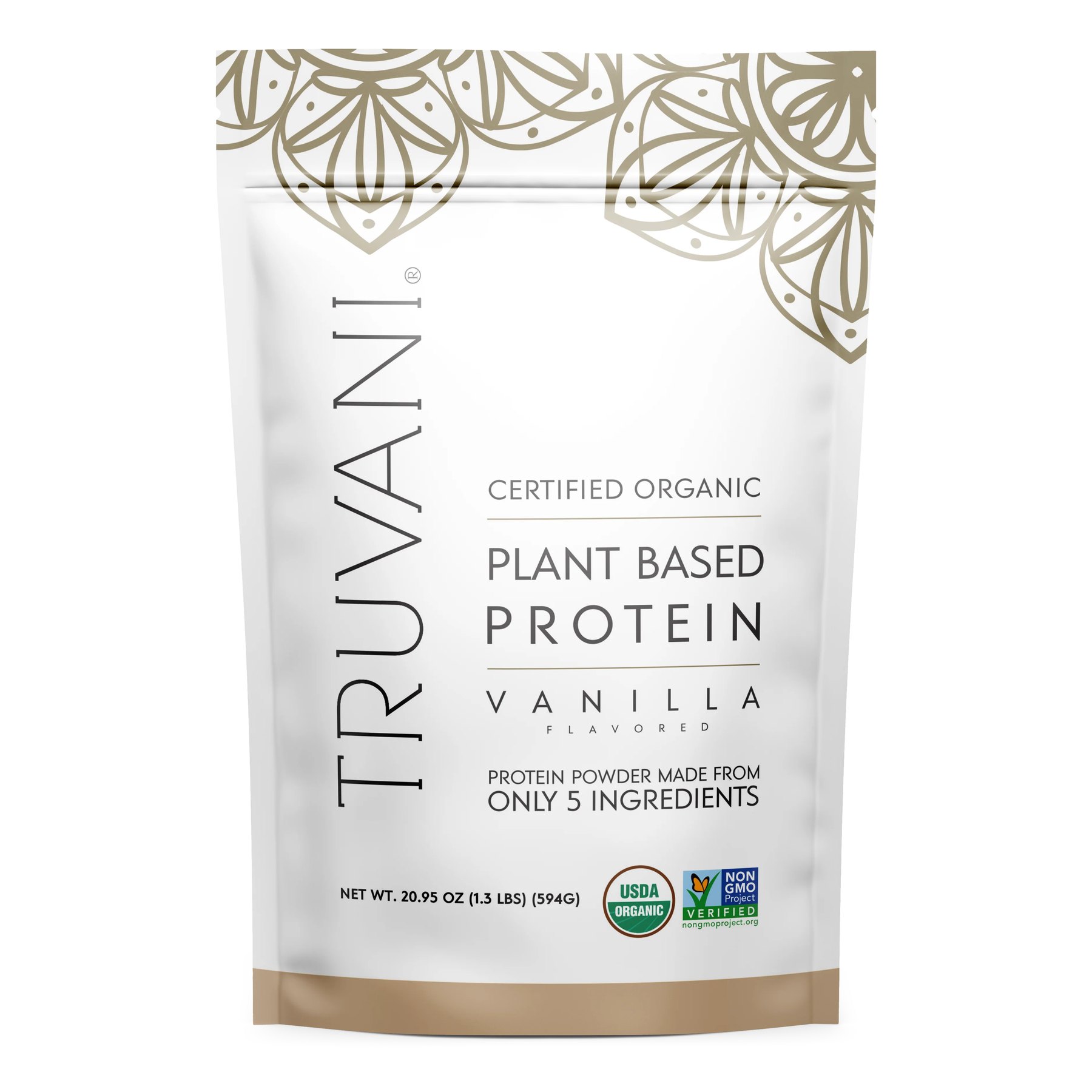
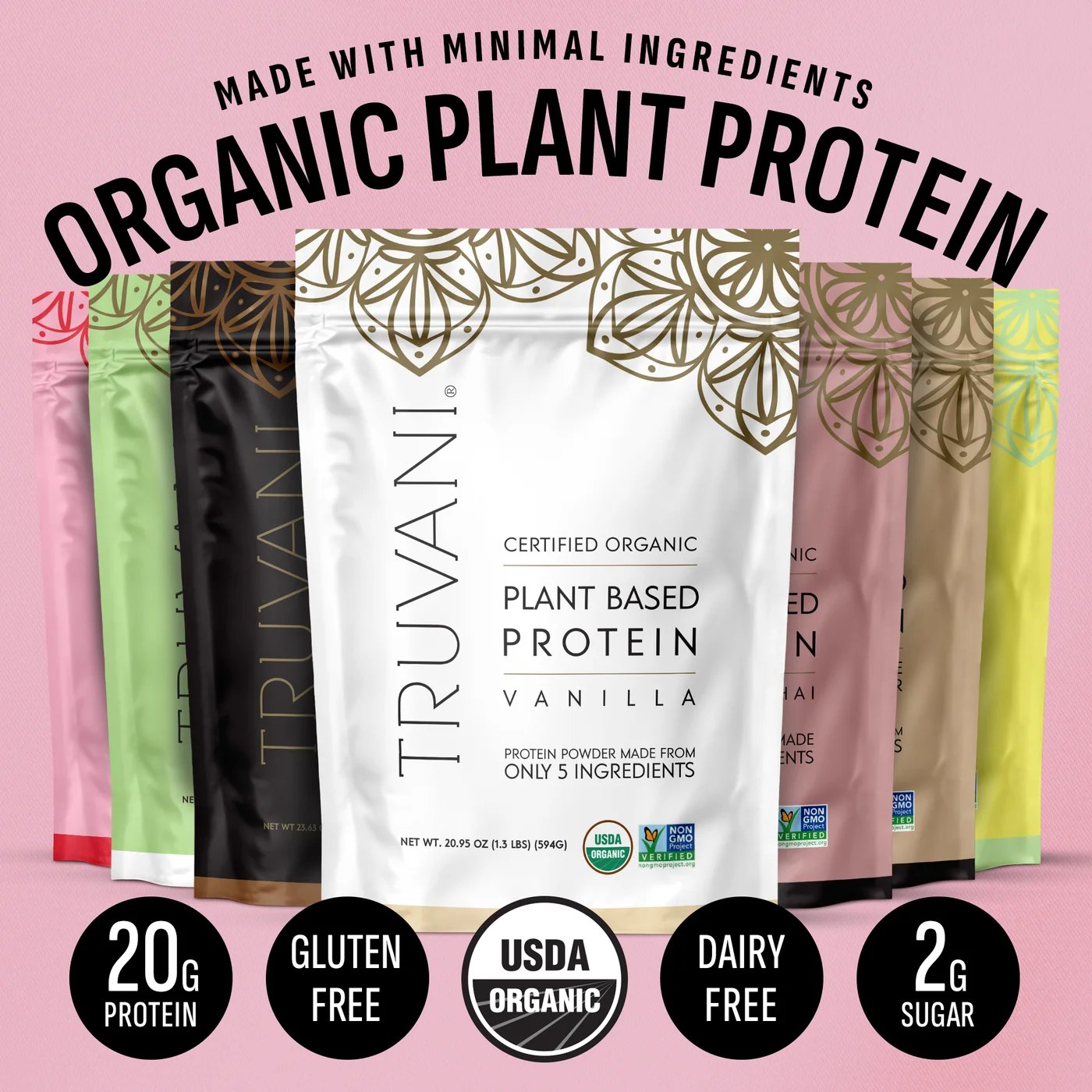
No shop table with precise titles, sizes and prices arrived in the brief, so the desk highlights two label stances rather than two SKUs. The first is the protein powder range as portrayed on truvani.com, framed as whole food components without added chemicals. Study serving size, protein amount and the entire other ingredients row, and save the lot code until the tub runs out.
The second is the wider pantry stance set out on the about page, goods without toxins and labels without falsehoods, now stocked in thousands of shops across the country. Weigh Supplement Facts, other ingredients, organic certifier and contact points across lots. The dearer option earns its cost when the records behind the wording can be stated and presented.

Kristina Patel
Kristina produces the interviews at Root to Bottle: the research, the question lists, the follow-ups. She grew up on her grandmother's turmeric milk and still asks every founder where their plant was grown and who taught them to use it.
More from Kristina Patel →