
Many shelves promise bee products for daily care, yet few labels name the resin, the yard or the test behind the spray. Carly Stein built Beekeeper’s Naturals to close that gap, tracing propolis, honey, pollen and royal jelly from distant apiaries through checks to retail.
Toronto is the first landscape, where Stein grew up with severe recurring tonsillitis and an allergy to most antibiotics. Pharmacies and waiting rooms felt familiar well before any thought of markets or manufacturing. That patient history remains present in the ingredient rules.
Florence is the second landscape. During study abroad there, Stein faced another severe tonsillitis episode and entered a neighborhood pharmacy, where the pharmacist suggested propolis. Within a few days of use, as she recounts it, the throat infection eased. She went back to the University of Victoria in Canada, apprenticed with a local beekeeper, and started preparing early propolis liquids in spare hours in the chemistry lab.
New York City is the third landscape, now headquarters for Beekeeper’s Naturals, whose goods sit in Whole Foods, CVS and Target and whose team brings in doctors, nutritionists and health experts. This magazine follows the line that joins those places. Inputs arrive from remote apiaries, blends receive third party screening for pesticides and heavy metals, and the company says it never overharvests. That chain is what we examine.
You learned early to study the other ingredients line because severe tonsillitis and antibiotic allergy left little choice. How did that childhood in Toronto change your view of labels?
I spent much of my childhood in Toronto feeling unwell. With severe recurring tonsillitis plus allergy to most antibiotics, careful reading became a habit. I memorized names on the other ingredients line out of need.
I grew disillusioned as a shopper because I spent time and scarce money on glossy celebrity formulas that made sweeping promises and produced no result. That memory stayed. From the beginning, I refused to build remedies with alcohol, refined sugars, preservatives, or unpleasant fillers common elsewhere.
A label reads as a record to me. It ought to list what entered the bottle and what stayed out by choice. Parents buying for children sense this as well. They prefer a brief panel they can parse, with a reason attached to each entry.
Propolis cleared your tonsillitis within days in Florence, yet you had never met it in Toronto. What did that pharmacy shelf teach you about hive resins?
Within a few days of using propolis, my tonsillitis eased. That simple outcome reframed my questions. I grew intent on hive materials. I needed to learn what propolis contained, which yards supplied it, and why a pharmacist in Florence stocked it routinely.
Propolis is the sticky blend bees create from saliva, beeswax and plant exudates like sap honored in early herbals. Colonies spread it to line and seal the hive. I had not encountered it growing up in Toronto. In Italy it belonged in ordinary pharmacy stock.
That curiosity traveled with me to the University of Victoria in Canada. I asked a local beekeeper for an apprenticeship. I prepared my first propolis formulas in the chemistry lab outside class hours and passed samples to friends and family. That sharing served as the earliest trial. Friends reported on flavor, on burn from the spray, on whether they picked it up again.
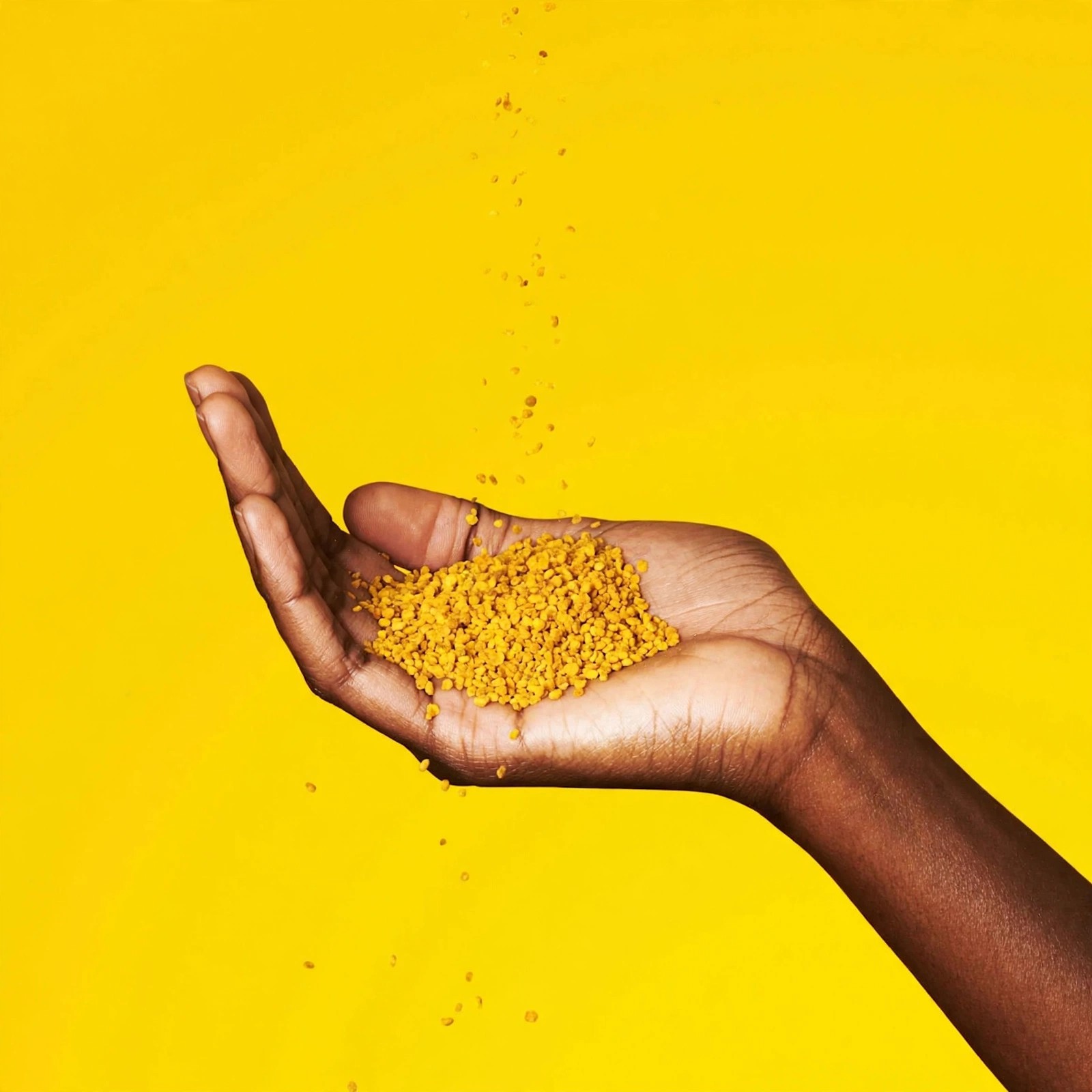
You left a trading floor role at Goldman Sachs for farmers markets in 2017. What did tending colonies show you that markets in finance could not?
Colonies showed me pacing and restraint. A hive cannot be rushed. You observe the entrance, you track the season, you remove a small share and retain plenty. I kept asking when I felt most engaged. The answer returned to crafting products and working beside bees.
Finance gave me structure and facility with numbers. In time, I resigned from the trading floor at Goldman Sachs to give full attention to Beekeeper’s Naturals. Against counsel from friends and colleagues, I walked away from steady employment and jumped into this unusual bee wellness venture full time. It remains the best choice I have made.
In 2017 I swapped office labor for beekeeping and a farmers market stall. That modest table grew toward placement in Whole Foods, CVS and Target. The market stage still counts for me because a farmers market stays direct. Shoppers inquire that morning where the honey originated.
Your throat spray pairs bee propolis with vegetable glycerin and purified water. What does your clean without compromise standard permit, and what stays out?
From the outset, I insisted on avoiding alcohol, refined sugars, preservatives, and unpleasant fillers seen in many remedies. That standard guides the throat spray closely. Our propolis spray combines bee propolis with vegetable glycerin and purified water as the carrier, in place of alcohol or sweet refined syrup.
I lived with weak immune health as a child, and only after I discovered propolis and applied it each day did my immune health shift. That explains why I take three to five sprays daily. The practice needed to stay easy to maintain, and mild enough for repetition.
The label names propolis and related fractions, among them polyphenols, flavonoids, vitamin C, iron and B vitamins. We formulate with doctors, nutritionists and health experts guided by herbal tradition. Our phrases for the approach are Powered by Propolis and Medicine, made natural. By those words we intend current science applied to hive materials, free of sugars, dyes and needless chemicals.
The nasal range carries the throat ritual to the nose with propolis, oregano oil, eucalyptus and xylitol in a non habit forming blend. What moved you from throat care toward sinus care, and how do the two rituals join?
Customers pointed the way. They sprayed the throat product each day and wondered what we offered for the nose in travel and seasonal transitions. The response became Nasal Spray Max, a non habit forming blend with propolis, oregano oil, eucalyptus and xylitol for cleansing nasal passages.
Throat first, then nose, mirrored routines people already kept at home. Mist in the mouth daily for immune defense, then mist in the nose for cleansing. We applied identical rules. No alcohol, no refined sugars, no dyes, no needless chemicals. Aroma derives from botanical oils, not supplemented perfume.
Blends move forward with doctors, nutritionists and health experts who advise on innovation, formulation, clinical research and customer education. Such oversight counts for a nasal formula because nasal tissue is delicate. Dosing, mist pattern and plain directions matter more than promotional terms.
You gather from remote apiaries in Canada, Europe and South America and say you never overharvest. How do you select a yard, and what does never overharvest look like in practice?
Sustainability sits extremely near my heart as a subject. We favor remote apiaries since separation from conventional fields reduces risk of pesticide drift. Canada, Europe and South America offer varied forage and calendars, which also distributes risk for colonies.
Never overharvest signifies collecting solely the surplus while retaining what colonies require to seal the hive and persist through dearth and winter. Propolis supports hive defense, so heavy removal injures bees. Our beekeepers gather a share, then the site rests. Colony health precedes yield.
I prefer remote pesticide free yards plus third party testing over organic certification by itself. Organics addresses land practice. Testing addresses the lot at hand. We need both the origin account and the documents.
After harvest the resin is cleaned and graded before it can become a spray.
Carly Stein
Superfood Honey combines raw honey with propolis, bee pollen and royal jelly in one 330 gram jar. Why bring four hive ingredients together, and how should a buyer enjoy it?
Superfood Honey serves as our signature jar because it presents the hive in one spoonful. Raw honey forms the base. Propolis, bee pollen and royal jelly fold into it. Shoppers ask about method, and guidance stays simple. Take it like ordinary honey by the spoonful.
Royal jelly feeds all young bees for several days while the queen feeds on it alone for life. Bee pollen is the pellet formed from flower pollen that bees pack. Every component follows its own harvest window and handling. Honey leaves the extractor and enters jars with limited heat. Pollen is dried and cleaned. Royal jelly is gathered in modest quantities and held cool.
The jar carries what the brand reports and what the label displays. We attach no outcome promises. We list components, net weight at 330 grams, and manner of use. Parents appreciate it because a single jar condenses several shelf steps.
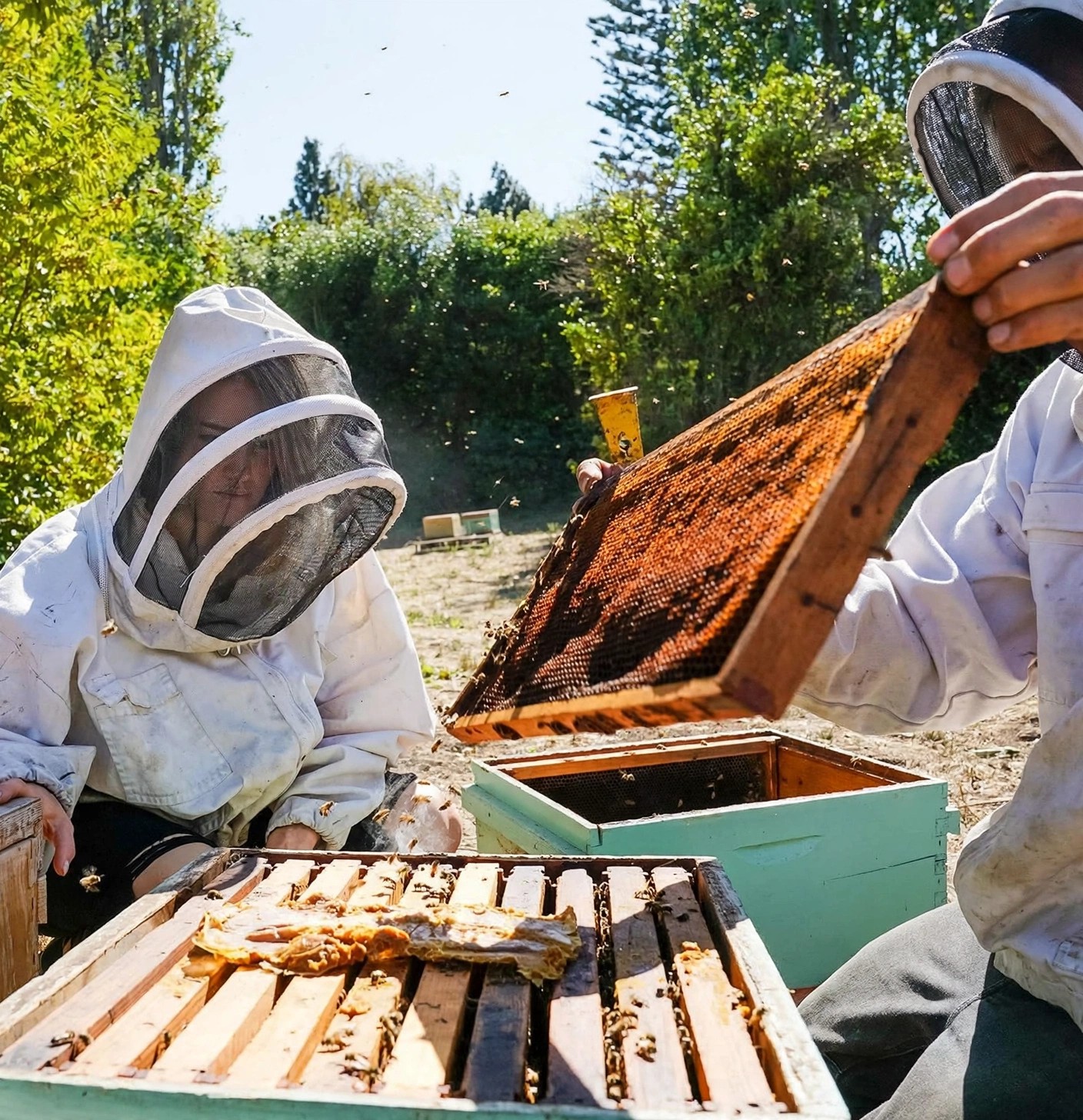
Every capsule traced back to the field is our test. After harvest, where does propolis travel toward the spray bottle, and where is the chain still hard to prove?
Once harvested, propolis passes through cleaning, grading and extraction into an alcohol free liquid suited to spraying. That extract moves to blending, review, and filling. Every lot holds its own file, and completed blends visit a third party lab for pesticides and heavy metals.
The middle remains difficult to fit on one panel. Extraction ratio, solvent, fill weight, and lab thresholds live in files many buyers never open. We can identify growers and present lot level paperwork, and shoppers ask us to make those files simpler to locate.
I favor joining modern science with natural medicine over offering products without effect. To me traceability belongs in that effort. Where did this lot originate, and what confirms it. When a stage stays unclear, we acknowledge it and improve the record until clarity arrives.
In Canada, health claims on supplements can need an NPN Number that legally validates the claims being made. How does that rule guide what you print and what you leave to the customer story?
In Canada the number carries weight. Health claims on supplements may need an NPN Number that legally validates the claims asserted. We therefore print what is validated and retain the remainder as routine and use.
Identity, quantity and directions appear on the label. It makes no pledge about what the item will accomplish for the reader. Accounts of personal relief remain beyond the Supplement Facts panel by design. They portray one individual, not an assured result.
Hence we repeat Save the Bees and A better way to feel better as goals, not warranties. Documents establish origin and contents. Outside tests screen for pesticides and heavy metals. The NPN file, where relevant, determines which claim phrasing is permitted. All else must build confidence gradually, lot by lot.
Closing note from the desk
What remains is the precision of the path as Stein recounts it. Toronto, Florence, Victoria, then distant yards across three regions. Shared samples in a dorm, bench work in a chemistry lab, a market stall in 2017, then Whole Foods, CVS and Target. Geography aligns with the files.
The label aim was plain from the start, hive blends without alcohol, refined sugars, preservatives or fillers, reviewed by an external lab, gathered without harm to the colony. That pledge can be checked against panels and lot files.
Product spotlight
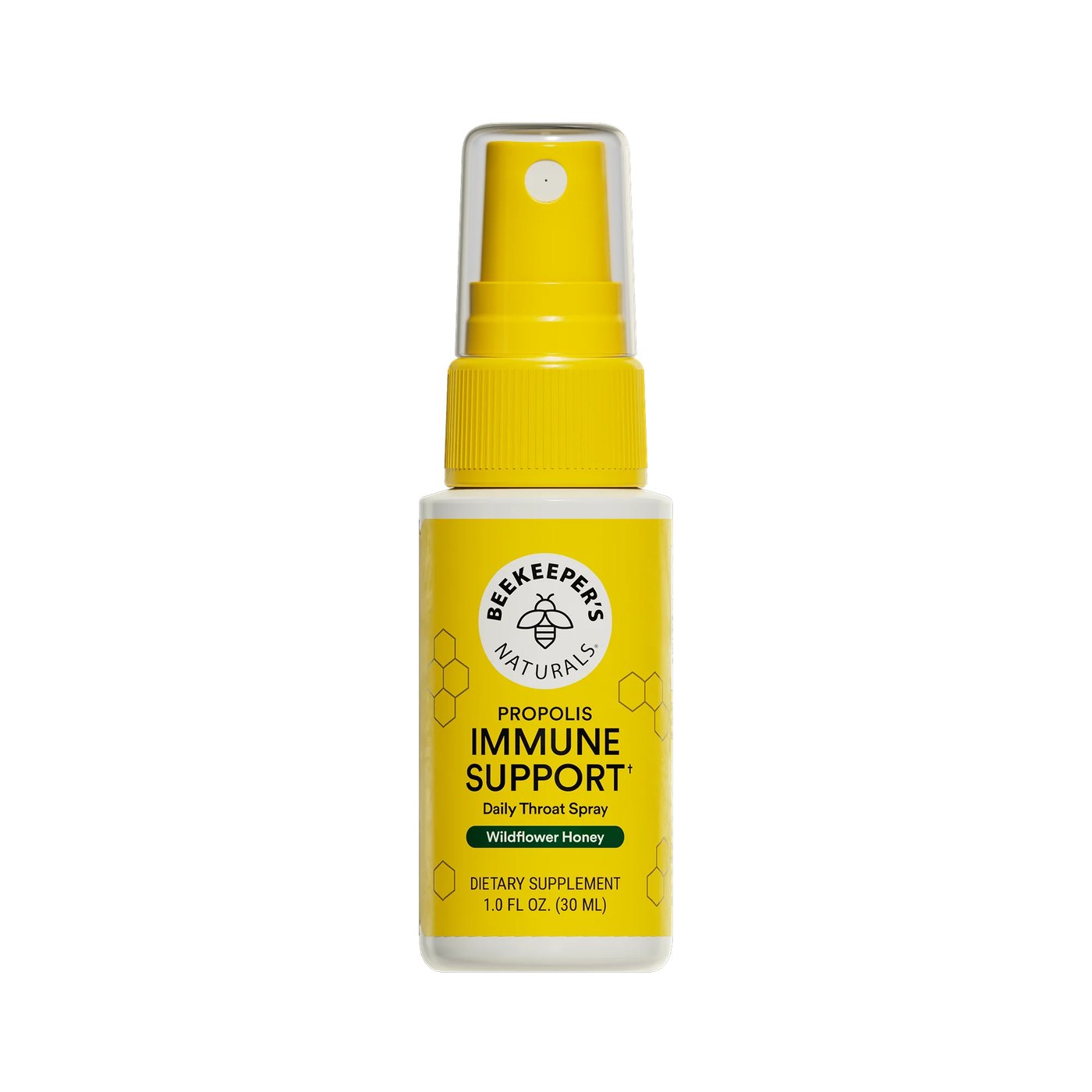
Propolis Immune Support Throat Spray is 13.99 dollars for one spray rooted in hive lore. A glycerin based propolis mist with polyphenols, flavonoids, vitamin C, iron and B vitamins. Mist inside the mouth daily for immune defense, three to five sprays in the manner Stein follows. Shake lightly and maintain a steady habit.
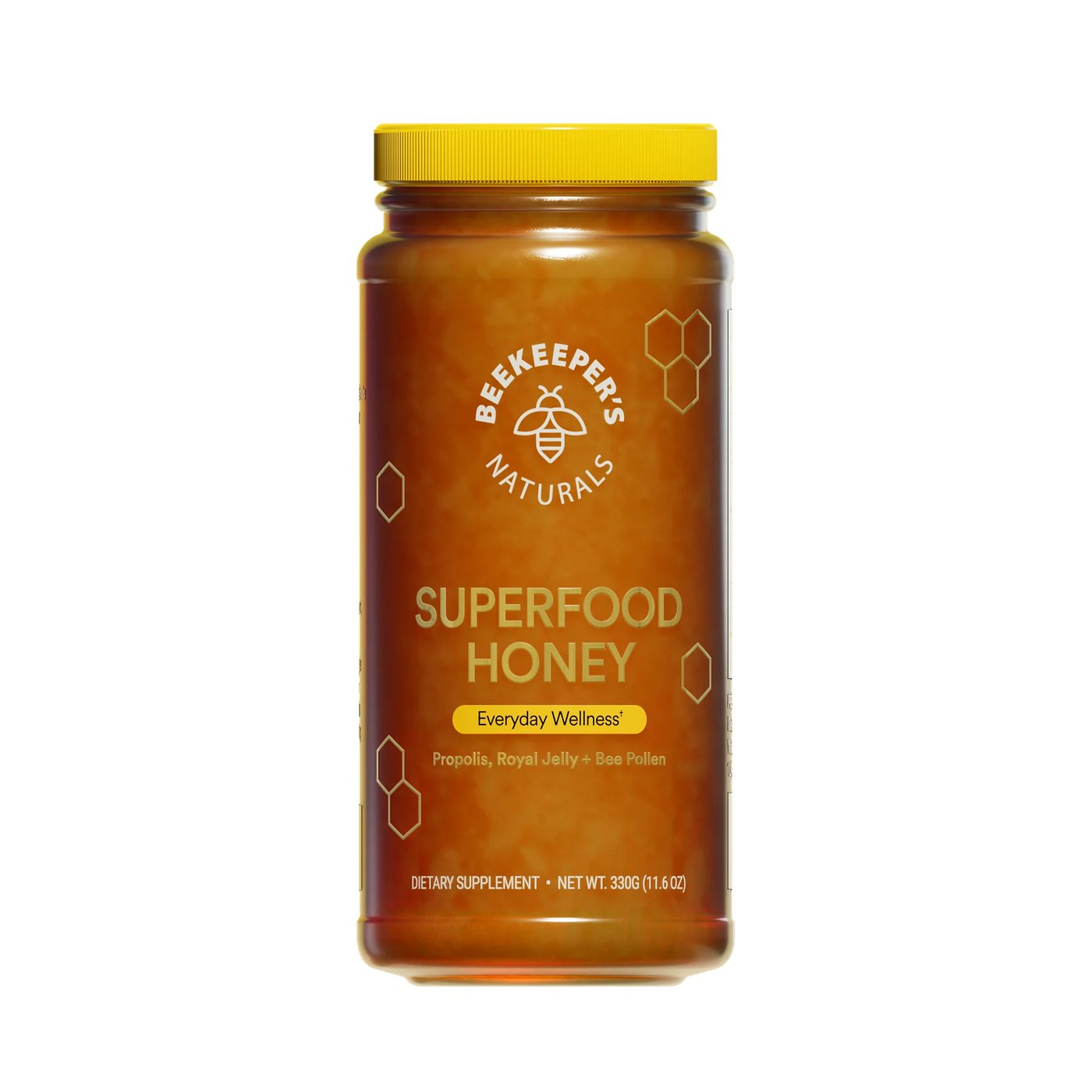
Superfood Honey sells at 39.99 dollars for 330 grams. Raw honey folded with propolis, bee pollen and royal jelly, taken by the spoonful as ordinary honey. Mix before use and keep sealed at room temperature. A single jar brings four hive inputs together.

Kristina Patel
Kristina produces the interviews at Root to Bottle: the research, the question lists, the follow-ups. She grew up on her grandmother's turmeric milk and still asks every founder where their plant was grown and who taught them to use it.
More from Kristina Patel →