A 12 oz bag ground just before brewing smells sweet and clean, with none of the musty edge that signals poor drying. That small sensory check opens a larger story about coffee as a harvested plant.
Amber Salisbury told her husband she would keep drinking coffee unless he could show a sound reason to stop. That home conversation shaped Purity Coffee from the start. It framed coffee not as a flavor trend but as a daily plant preparation worth examining.
Andrew Salisbury serves as founder and chief executive of Purity Coffee, a business founded in 2016 after Amber Salisbury lived with severe tiredness. She rested 10 to 12 hours and still woke worn out. Clinicians found no clear cause. The household already kept active habits, chose organic food, held steady sleep times and used filtered water. Amber relied on larger amounts of coffee to manage each day. Andrew began to wonder whether her coffee added to the trouble.
What stands out across his accounts and company files is how seriously he received her request. He visited the Vanderbilt University Institute of Coffee Studies, read more than 19,000 papers, then worked for 18 months alongside Dr. Adriana Farrar to build a method that tracked each stage from cultivation to roasting. This interview holds to his central phrase. It concerns keeping helpful constituents while leaving unwanted substances out. The balance is shown through records.
You went to Vanderbilt and reviewed more than 19,000 papers, then saw that 3 to 5 cups daily were associated with antioxidant linked patterns. How did that figure redirect your work?
Yes, the path really began because my wife faced health trouble. She rested 10 to 12 hours and woke depleted. We stayed active, we chose organic food, we kept consistent sleep, we used filtered water, and clinicians found no explanation. She began using large quantities of coffee simply to function, and I worried that coffee added to her condition. She told me plainly, look, I am not giving up my coffee until you give me some really good validation on why I should. So I began studying whether coffee offered health value or truly caused harm. I spent time at the Vanderbilt University Institute of Coffee Studies. Staff gave me access to more than 19,000 papers on coffee and diabetes, heart disease, liver disease, Alzheimer’s and cancers. What I learned leaned toward the opposite view. Three to 5 cups each day were linked with benefits, largely tied to antioxidant activity. That shifted my question. It stopped being about whether we should drink coffee. It became about which coffee we were drinking.
Your wife rested 10 to 12 hours and still woke depleted, while clinicians found no cause and your household already kept careful habits. What did that period at home show you about what to examine?
Many drinkers do not realize that coffee ranks as the leading contributor of antioxidants to the American diet, and when I first read that I felt rather surprised. I had arrived assuming coffee was suspect unless cleared. Coffee ranks among the richest antioxidant sources in the American diet. That detail reset my thinking. If coffee already delivers polyphenols and other active plant compounds to so many homes, then sourcing takes on new weight. You must screen coffees globally in the laboratory and select lots richest in antioxidants. That turned into our buying principle. We sought to define good practice for what we view as a fresh category joining coffee and health. If health value alone guided coffee, which choices would follow. That inquiry shaped grower selection, picking rules, drying practice, transport and roast. We did not begin with tasting notes and reason back. We began with composition and reasoned ahead.
That first Brazil shipment reached you full of mold and mycotoxins because a grower swapped in lesser coffee. What did that broken agreement teach about verification?
That initial Brazil shipment taught us more than any conference. We had started collecting coffees internationally and screening for antioxidants, mold, mycotoxins and heavy metals. The shipment landed and analysis showed it loaded with mold and mycotoxins. The grower had replaced our agreed coffee with lesser grade beans. Near the close of 2016 we still released our first bag, yet only after turning away beans that missed our bar. It proved that a country name on paper means little alone. You need to evaluate coffees internationally in the lab and keep only lots that clear the threshold, lot after lot. A certificate of analysis, meaning the laboratory report tied to one lot, must align with the sacks received. Third party lab means testing is run by a facility separate from the vendor. That separates assertion from documentation. From that point we organized sourcing around that rule. Identified producers when possible, set picking and drying criteria, then analysis ahead of roast. Confidence comes after sampling.
You worked 18 months with Dr. Adriana Farrar while asking which choices would follow if health alone led. What did that method demand in the field?
We kept asking, if health value alone guided coffee, which choices would follow. With Dr. Farrar we reviewed each phase. It called for regeneratively grown organic specialty grade arabica. It called for hand gathered cherry, attentive drying, and tidy handling so mold never gains hold. Pesticides plus mold are likely the two hazards to prevent. Coffee ranks among the most intensively sprayed crops globally alongside tobacco and cotton, using agents that would lack approval in the US. So we turn away coffee grown with pesticides. We turn away mold plus mycotoxins. We turn away low grade commodity coffee that trades away health and taste, and rough mass harvest with handling that invites mold. Every buyer should insist on sound clean coffee. By clean we point to defined traits we analyze. No applied pesticides under organic rules, and laboratory data showing mold plus mycotoxins under our caps. That is record keeping, not a tagline.
You often say the work concerns keeping helpful constituents while leaving unwanted substances out. How does roasting serve that aim without losing what you chose?
It is about welcoming the good compounds and leaving the unwanted ones behind. That sentence steers our roast. Chlorogenic acids, often shortened to CGA, plus trigonelline belong to the helpful group we track. They change with crop and harvest and they answer to roasting. Heavier and extended roasting is not inherently superior when those constituents were the reason for selection. So we roast through tailored protocols to keep chlorogenic acids and other salutary compounds, verified as measured antioxidants. In daily terms that involves narrower roast profiles per lot, followed by analysis for confirmation. We prefer to protect the helpful fraction rather than merely screen out the harmful fraction. We prefer to let health guide each choice rather than roast for price or habit. Drinkers often say they sense it physically. We present that as user reports of smooth energy without jitters or stomach upset, not as a clinical claim. What we can log is material and method. Organic cultivation, hand picking, managed drying, laboratory review and a roast aimed to preserve measured constituents.
We would rather invite in the good than only avoid the bad.
Andrew Salisbury
You source regeneratively grown organic arabica and cite growers such as Finca Santa Maria in Colombia. What is visible now, and what stays unclear?
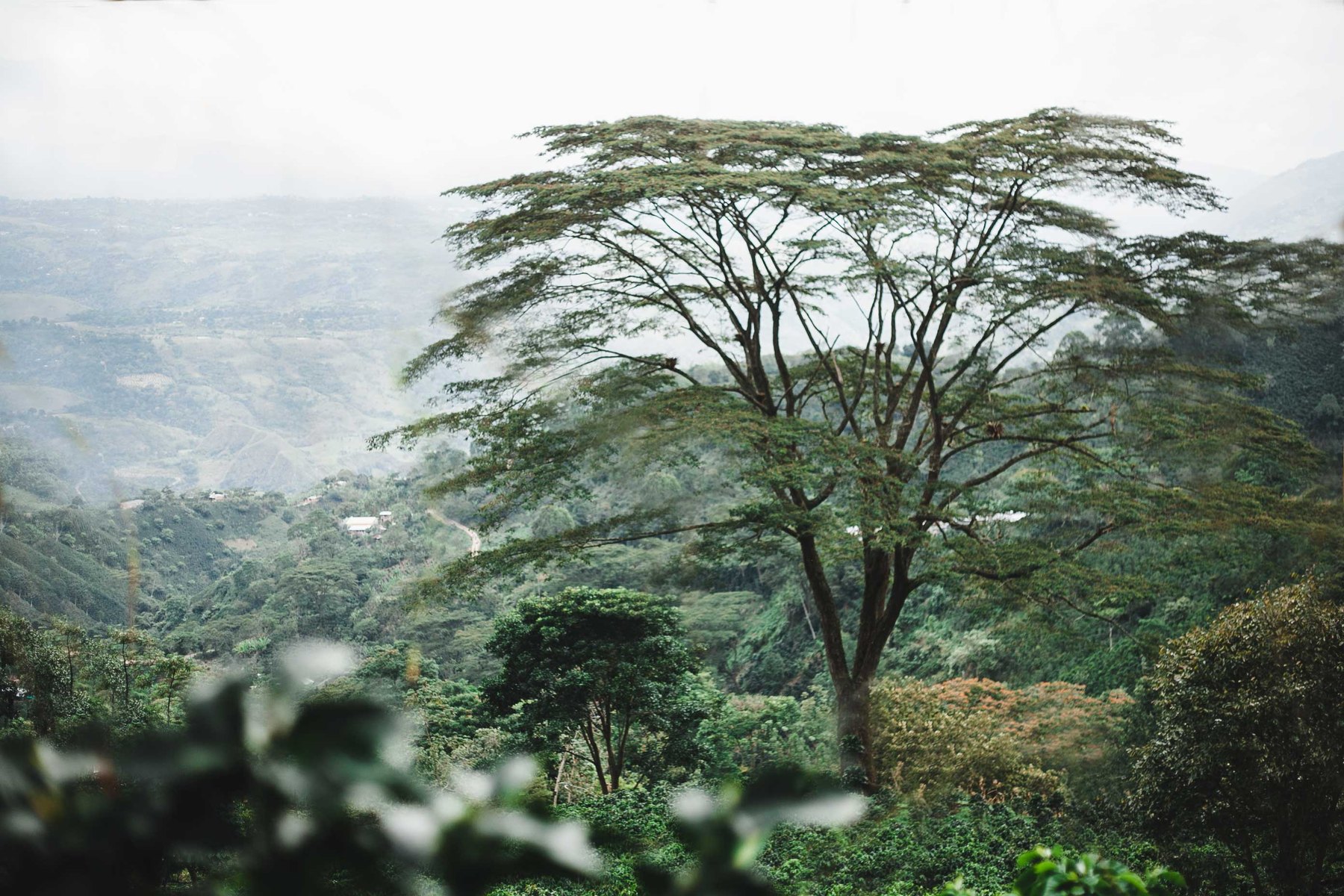
We can identify far more than at the outset. Our Sacred Cups lines, as an illustration, contain honey processed coffee regeneratively cultivated by Inga growers in southwest Colombia, plus microlots cultivated by women at Finca Santa Maria in Colombia. Honey process in this context means some cherry mucilage stays on the seed while drying, shaping taste and calling for vigilant drying to remain sound. Regenerative as we apply it means cultivation that restores soil and avoids synthetic pesticides, within organic certification. What we can display is grower or group, processing style, lot screening for mold, mycotoxins and contaminants, and roast logs. What remains difficult is complete container level visibility for each blend part through seasons. Crops rotate. Lots run out. When one part changes, documents must change too. We acknowledge what is traceable and we continue screening what is not yet fully seen. Just choose a cleaner and higher quality coffee. That plain advice rests on harvest date, drying records, lot numbers and lab sheets.
Your range now covers espresso, cold brew and a Founder’s Roast connected with Alzheimer’s awareness. Where should a thoughtful shopper begin, and how is each prepared?
Begin with brew method. Our Whole Bean Espresso is a medium roast designed for espresso preparation, a full balanced shot with thick crema and a gentle finish. Grind whole beans directly ahead of pulling and serve straight or with milk. Our Cold Brew Whole Bean Coffee is designed for home cold steeping. Grind and steep cold, a style many families favor for a mellow cup stored chilled. The Founder’s Roast, with the Alzheimer’s Awareness limited release, suits everyday drip or filter. Prepare as routine drip or filter coffee. Use clean water, a scale when available, and consume within weeks of roasting. Our pledge is health centered coffee without tradeoffs that favors helpful compounds and excludes unwanted matter. That must appear in taste and in paperwork. Business partners Jon and Missy Butcher joined Amber plus me early, while scientists and clinicians counsel. Improve the world’s health through coffee is the mission posted on the wall. Make every decision based on health is the screen before dispatch.
You created this with Amber, alongside Jon and Missy Butcher, plus scientific counsel. After nearly a decade, what would allow stronger proof?
We continue shaping the category we named early on. We are trying to set best practices for what we see as a new chapter of coffee and health. For stronger proof, we need lot pages that remain current as blends shift, holding origin, harvest, test panel and roast profile together. We need independent seals that carry consistent meaning across certifiers, described in simple terms. And we need to continue rejecting failed beans, even when stocks run short. Every drinker should ask for good and clean coffee. By that phrase we mean testing aligned with standards for pesticides, laboratory screening for mold and mycotoxins, and selection for measured antioxidants. People can feel it in their bodies is how regular users describe everyday tolerance. What we will keep releasing is what labeling can substantiate. Farm or group, lot, method, laboratory data and roast date. That is how a remedy journal reads coffee as well. Track it back until cultivation comes into sight.
Closing note from the desk
What lingers from this talk is a maker who regards coffee first as a farmed plant with a paper trail. Salisbury recalls the swapped lot that failed, the 18 months shaping method, and the lab pages that now govern what leaves. That care fits a journal of plant remedies.
Purity aimed to let health guide each choice and to share evidence where available. Gaps persist as crops turn and blends alter. The bearing stays steady. Follow the bag back to cherry, drying bed, shipment and roast, and retain what testing upholds.
Product spotlight
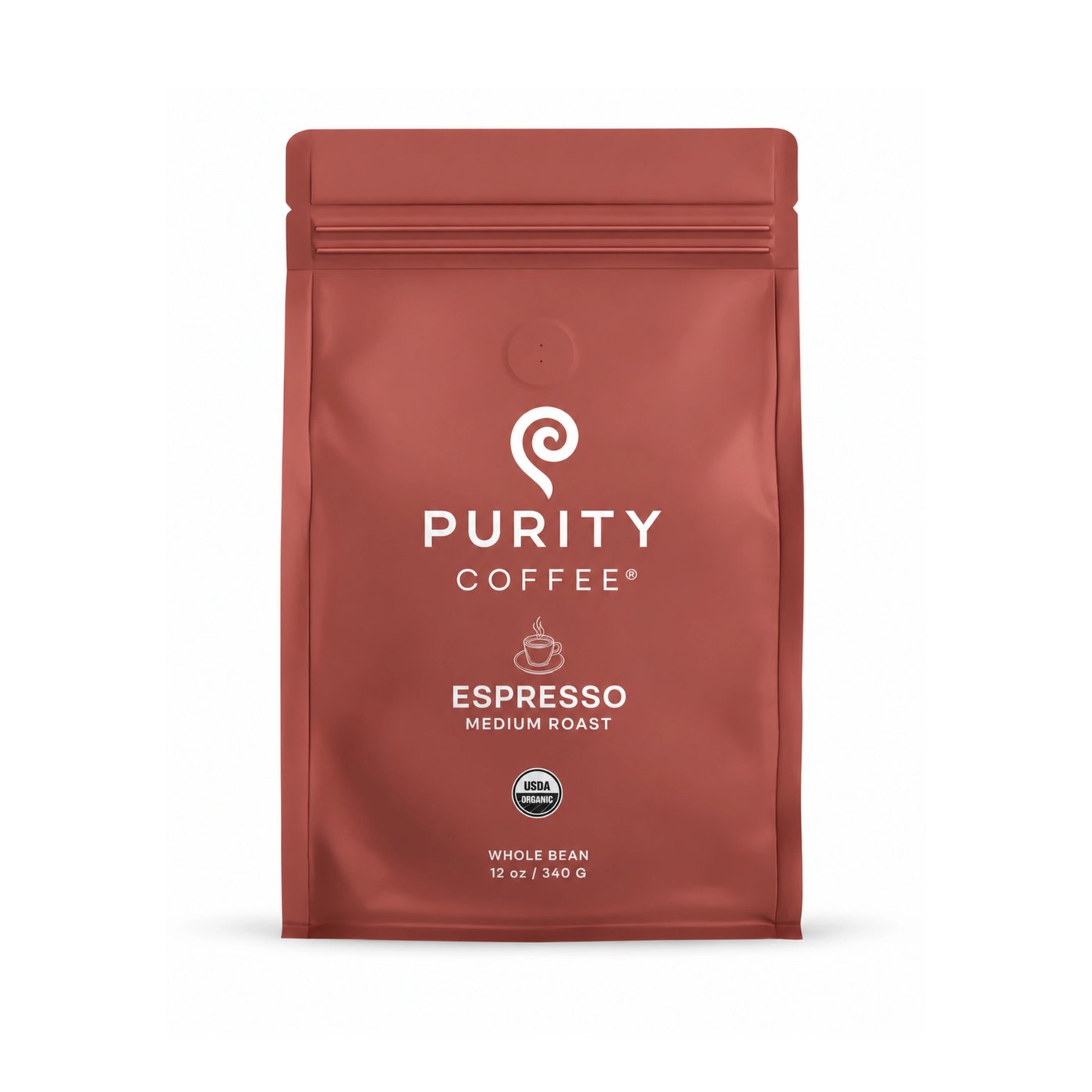
Our Whole Bean Espresso is 30 dollars for 12 oz whole bean. A medium roast intended for home espresso, noted as full and balanced with thick crema and a gentle finish. Mill directly ahead of brewing and pull as a straight shot or with milk. Best soon after roast, kept sealed in a cool place.
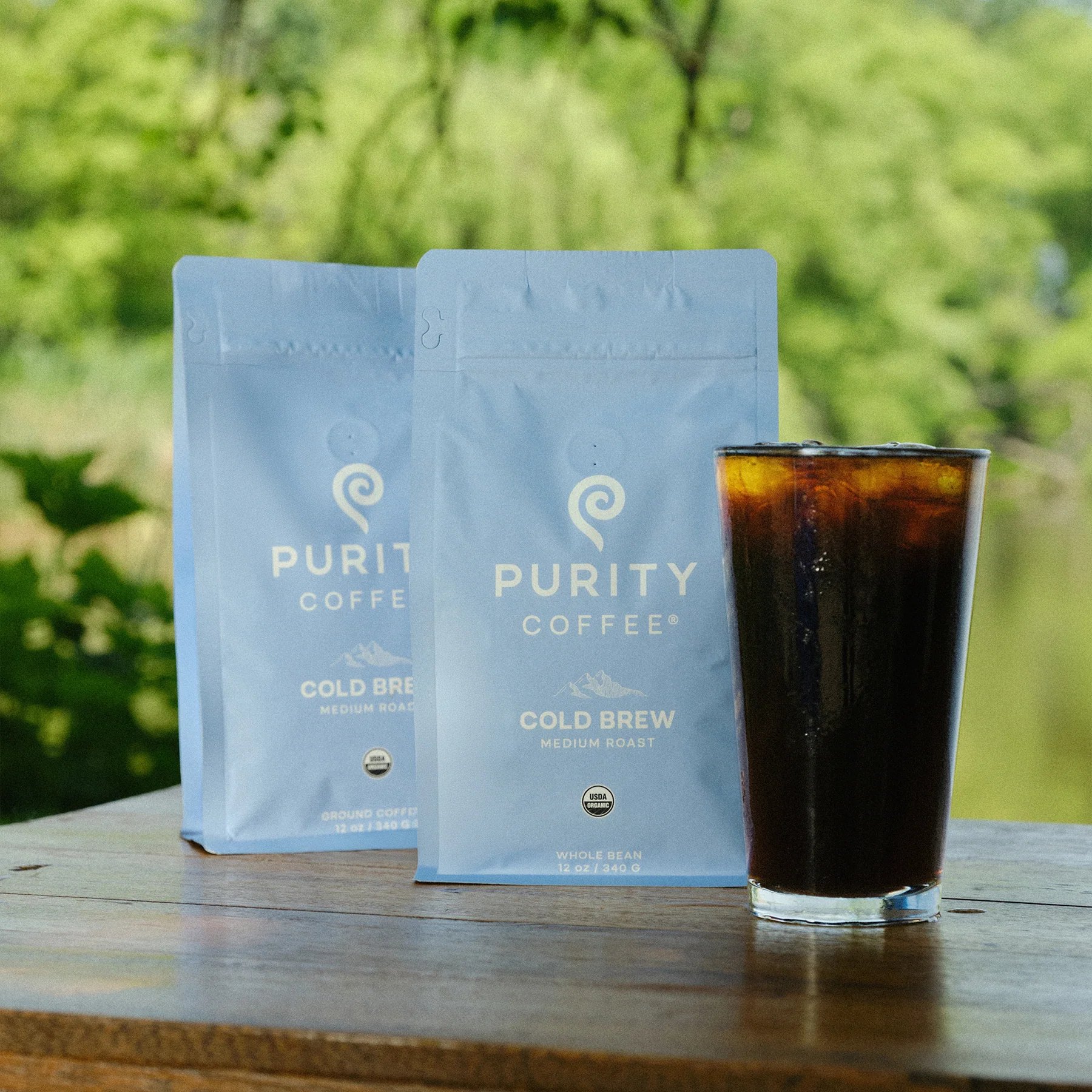
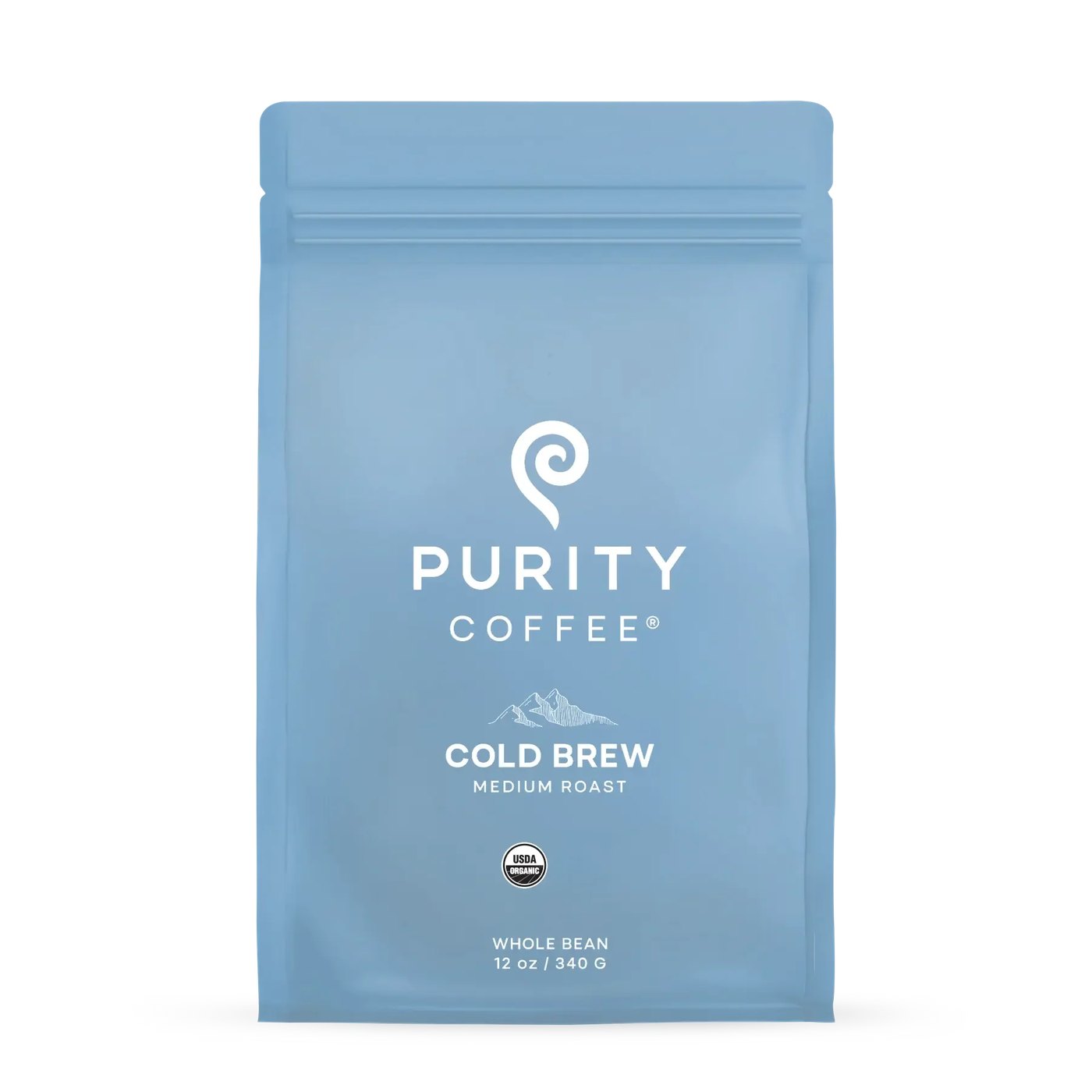
Our Cold Brew Whole Bean Coffee is 30 dollars for 12 oz whole bean. Made for cold steeping at home and noted as rich in antioxidants. Mill coarse and soak cold, then filter and chill. A reliable home choice for people who favor a mellow cold cup.

Kristina Patel
Kristina produces the interviews at Root to Bottle: the research, the question lists, the follow-ups. She grew up on her grandmother's turmeric milk and still asks every founder where their plant was grown and who taught them to use it.
More from Kristina Patel →