From root and leaf to a small bottled morning ritual. This is the path of a green shot that blends green tea with roots long used in Ayurveda and mushrooms long simmered in other traditions, assembled after a founder left behind seven cups of coffee a day. We trace each plant backward and ask what the record shows.
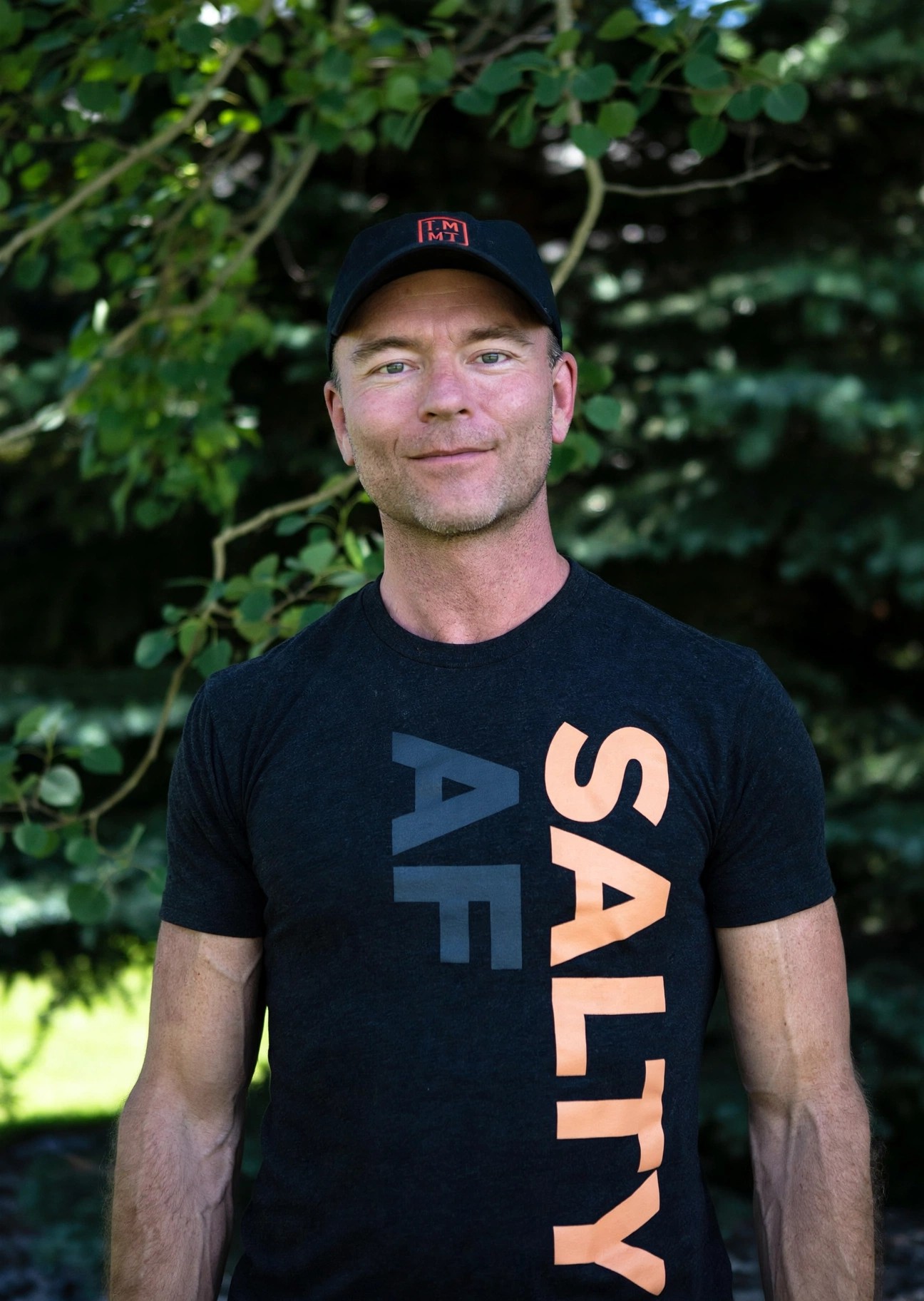
The workday starts at a kitchen counter, not in a laboratory. In 2017, after Airbnb bought his crowdfunding startup Tilt, James Beshara stopped measuring mornings in refills and started measuring plants in small doses. {.dropcap} He had relied on seven cups of coffee daily. That pattern ended when his pulse stayed above 170 beats per minute for three weeks and sent him to the emergency department. For someone used to building software quickly, the pause was unfamiliar.
What followed took time. Beshara describes two years of home blending before Magic Mind became a company, then three successive releases, each more complete than the one before, plus nine early months of managing stock and cash without clear reports until he retained financial counsel. The outcome is a direct to consumer shot for mental performance that is sold in many countries.
What draws Root to Bottle is the plant list inside that bottle. The label speaks of nootropics, adaptogens, vitamins and functional fungi in a proprietary mix. It speaks of ingredients with clinical support and even energy across the day. It says little about fields, harvest seasons, extraction choices, batches and laboratories. That is where we linger. We asked Beshara where each botanical comes from, how tradition recorded it, and what present day study suggests.
Your pulse stayed above 170 beats per minute for three weeks after years of seven cups of coffee a day, ending in the ER. What did those years teach you about caffeine, and what did you choose to study next
I found that stronger stimulation did not create stronger work. I was leading Tilt, fueled by coffee, and I treated tiredness as a lack of resolve. Then my heart rate would not settle. Staying above 170 beats per minute for three weeks reshapes ideas about energy. The hospital visit pushed me toward another inquiry. Not how to drive harder, but how to hold attention without a surge followed by a slump.
So I began studying coffee, caffeine and how people work. I explored plant based approaches. I spoke with people who viewed calm and attention as a single system. I had no plan to found a drink brand. I wanted to repair my own mornings. I gave two years to mixing small sets of ingredients, aiming to retain the wakefulness I valued in coffee while dropping the shakiness. That stretch of kitchen testing is the true beginning. There was no brand name, no package, only trials of what a steadier morning might feel like.
Three launches shaped Magic Mind after two years of tinkering, with the third version finally ready to scale. What shifted across launch one, two and three, and when did repeat orders show it was ready
A first or second release need not reach a 60 percent reorder rate, yet a full commitment does require it. That principle has stayed with me. Early on I kept a software habit. Release, learn, revise. The initial release was uneven. Flavor was more difficult. Sourcing was delicate. The next release improved but still did not prompt reorders on its own.
What shifted was rigor around recipe and around operations. We refined the blend. We refined stock planning. I passed the first nine months with almost no visibility into finance and inventory cash flow until I engaged a capable financial consultant and advisor, and that altered the course. By the third release we owned something developed enough to support. Much like Airbnb, Magic Mind went through three distinct releases, each more developed than the prior. When shoppers started subscribing without a price incentive, I understood the product could grow.
In your shop today the staples are Original and MAXX What is inside that little bottle, in simple words, and how should it pair with coffee
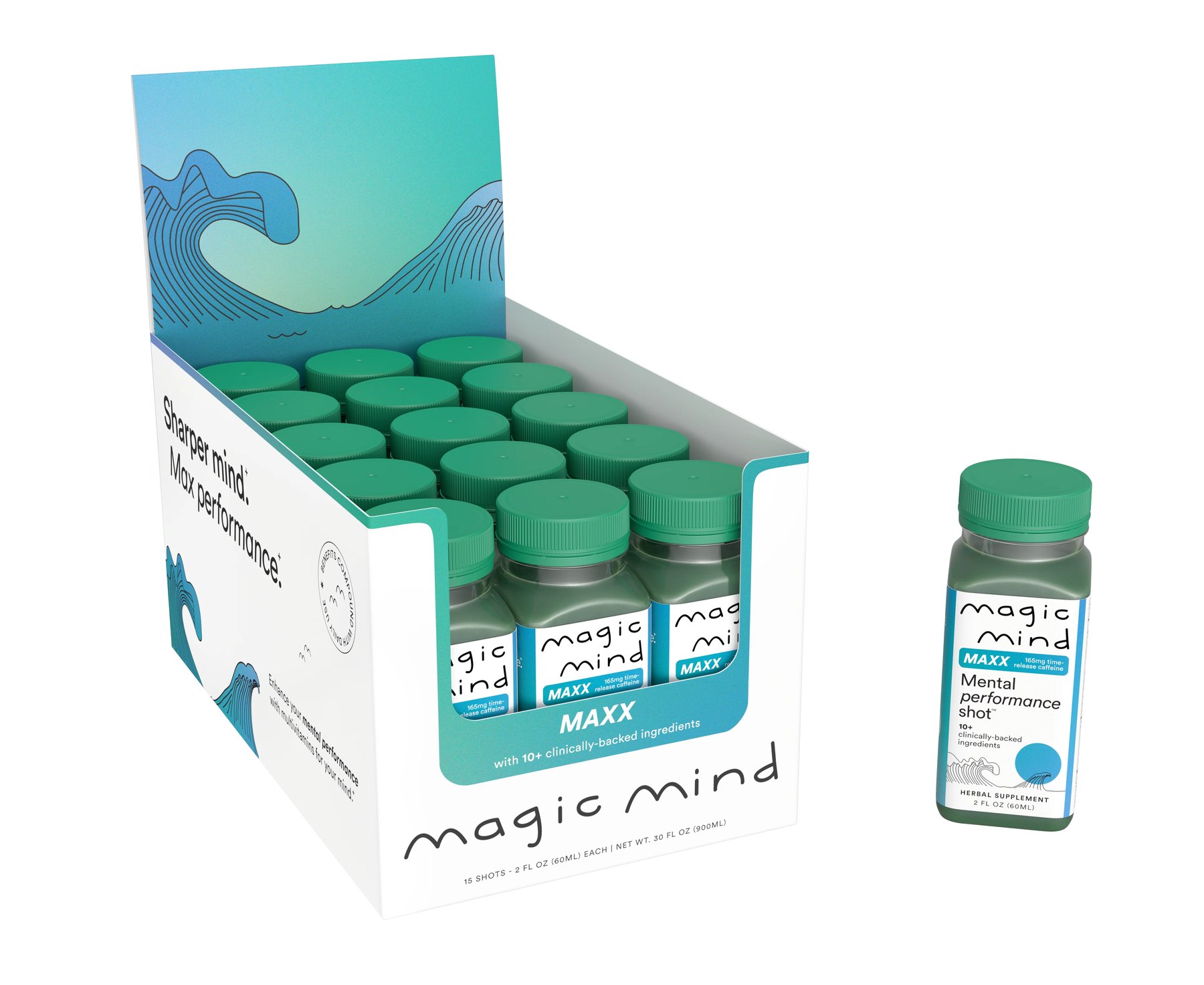
Simply put it is a morning shot that blends nootropics, adaptogens, vitamins and functional mushrooms in MAXX. Our wording calls them mental performance shots for flow states and productivity, built with clinically backed ingredients. The expressed goal is attention, energy and calm without jitters or crashes, plus stable energy throughout the day.
The coffee relationship is particular. Original holds some caffeine from green tea, combined with L theanine and companion ingredients. A large share of buyers keep drinking coffee, but in smaller volume, or later in the day. We also produce a caffeine free version named Magic Mind FREE for afternoons or for people avoiding caffeine. The serving is two to three ounces. People take it in the morning, often beside or in place of a first cup. I continue to enjoy coffee. I simply no longer let seven cups steer the day.
Flavor and freshness shape whether folks keep sipping a shot What did you adjust in sourcing or method to make Original smooth daily, and what still needs work in MAXX
Taste was the hardest early obstacle. Herbs like bacopa and ashwagandha can taste bitter. Mushroom extracts may taste earthy. Vitamins bring their own character. Our earliest builds worked but were not pleasant to repeat. We adjusted sweetener levels, acid levels and masking flavors without aiming for candy. We also altered particle size and the order of blending so every bottle in a batch pours alike from start to finish.
MAXX made the task denser. A larger load of actives in the same small serving creates more interaction. What I still aim to clarify is dose. A proprietary blend keeps the label compact, yet it leaves a careful reader unsure how much bacopa or lion’s mane each shot holds. The coming move is either to disclose more single doses or to share the target ranges by batch. Stable energy throughout the day remains our wording. I want batch records to support that wording, batch after batch.
Seed to Capsule traces each ingredient back to its roots Your label shows a proprietary mix of nootropics, adaptogens, vitamins and functional mushrooms Can you share the growers and home country for the key plants, and guide us from harvest to extract
I would like to hand you a tidy chart naming each farm. The candid reply is that some of our chain passes through brokers and contract makers, which is common for a small drink maker yet still hard to see through. We rely on vendors who obtain plants such as green tea, ashwagandha, bacopa and mushrooms from various areas as season and batch dictate. The material arrives dried, then passes into powder or liquid concentrate through extraction before blending.
What I can describe with confidence is the stage we direct most closely, which is final recipe and final checks. The stage I hope to open up is the farm stage. In which place was this batch cultivated, when was it gathered, what extract ratio was used, was it standardized to a marker compound. At present a shopper cannot learn that from our package. To display it we would need to release batch level source and a certificate of analysis for each central input, beyond the finished shot alone. That is work I intend to pursue. It calls for vendor agreements and a new style of purchasing.
Different botanicals need different methods. Some are water extracted, some use ethanol with water, mushrooms are often hot water extracted and then dried What extraction method turns an adaptogen powder into part of a shot, water, alcohol or something else, and what solvent residues or fill weights should a careful buyer look for on documents.
Each plant asks for its own approach. Certain herbs suit water extraction, others suit a mix of ethanol and water, while mushrooms often suit hot water extraction followed by drying. The choice shapes the powder. Water draws one set of constituents. Alcohol draws another set. Heat plus duration affect output. Our vendors select the approach per herb, then we combine those parts into a liquid shot rather than a dry capsule, so fill weight really means fill volume with solids per bottle.
What deserves attention in records. First, the Supplement Facts panel with the Other Ingredients line, which lists amounts and carriers. Second, whether a proprietary blend gives total blend weight while withholding single doses, which the rules permit but which keeps dose unclear. Third, documents on solvents, microbes and heavy metals. When a maker cannot present a certificate of analysis showing limits and outcomes for a batch, read a term such as pure as promotion. I prefer to state what we examine rather than ask shoppers to trust a term.
I still like coffee. I just do not want seven cups calling the shots for me
James Beshara
You use the words clinically backed ingredients What does that phrase mean on your label, and what checks do you run lot by lot for identity, heavy metals and microbes before a batch ships
Clinically backed, in our use, signals that single ingredients have appeared in published human studies at a given dose, rather than that our finished shot has passed a drug trial. That gap matters. Supplements fall under food rules, not drug rules. We describe brand intent, focus, energy and calm, plus what the label contains. We make no claim to treat disease.
For checks, each manufacturing run passes routine food safety review at our contract bottler, with micro review, while vendors furnish specs for identity and contaminants. We also run finished product review for uniformity. What we have not yet released is the full batch file a Root to Bottle reader seeks: identity technique, heavy metal outcomes with bounds for lead, cadmium, arsenic and mercury, micro outcomes, plus caffeine assay. Even after a decade of growth in eComm, many subscription issues still need fixing Thankfully, Skio is facing that challenge directly I would offer the same view on sourcing openness. The systems are still maturing.
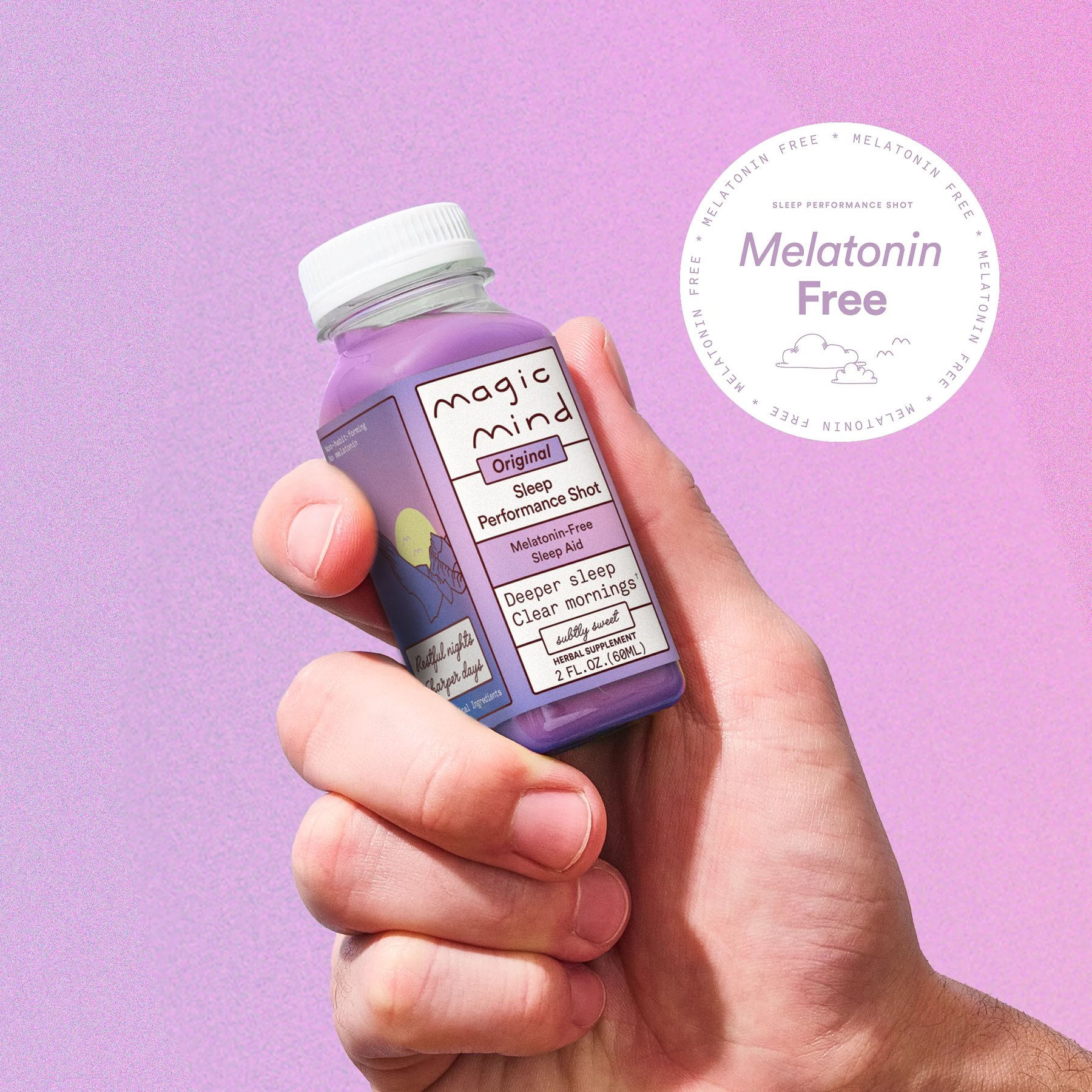
Your shop now offers Original, MAXX, a sleep shot and goods like caps and tees Stories track growth from a four million dollar run rate with one full time staffer to a 100 million dollar brand with ten people How did you keep a fresh, multi ingredient shot stocked through that rise without easing standards
We kept headcount lean and held close to a small set of partners. I have been investing for 10 years, and each deal has taught me to sharpen my approach I managed Magic Mind in that spirit. A small crew, defined duties, external specialists for finance and operations, plus a contract bottler able to fill with repeatability.
The hazard in a multi herb liquid is drift. A single extract shifts, flavor moves, caffeine varies by a few milligrams, solids settle. We fixed targets for Brix, pH, fill volume and sensory review, and we kept backup stock of slow moving inputs. We also began to tie cash planning to stock, since a shot locks funds in glass, herbs and warehouse slots. Expansion made us stricter on targets, not looser. When a batch missed target, it stayed back. That stance is simpler to hold with ten staff than with two, because at last one person monitors documents full time.
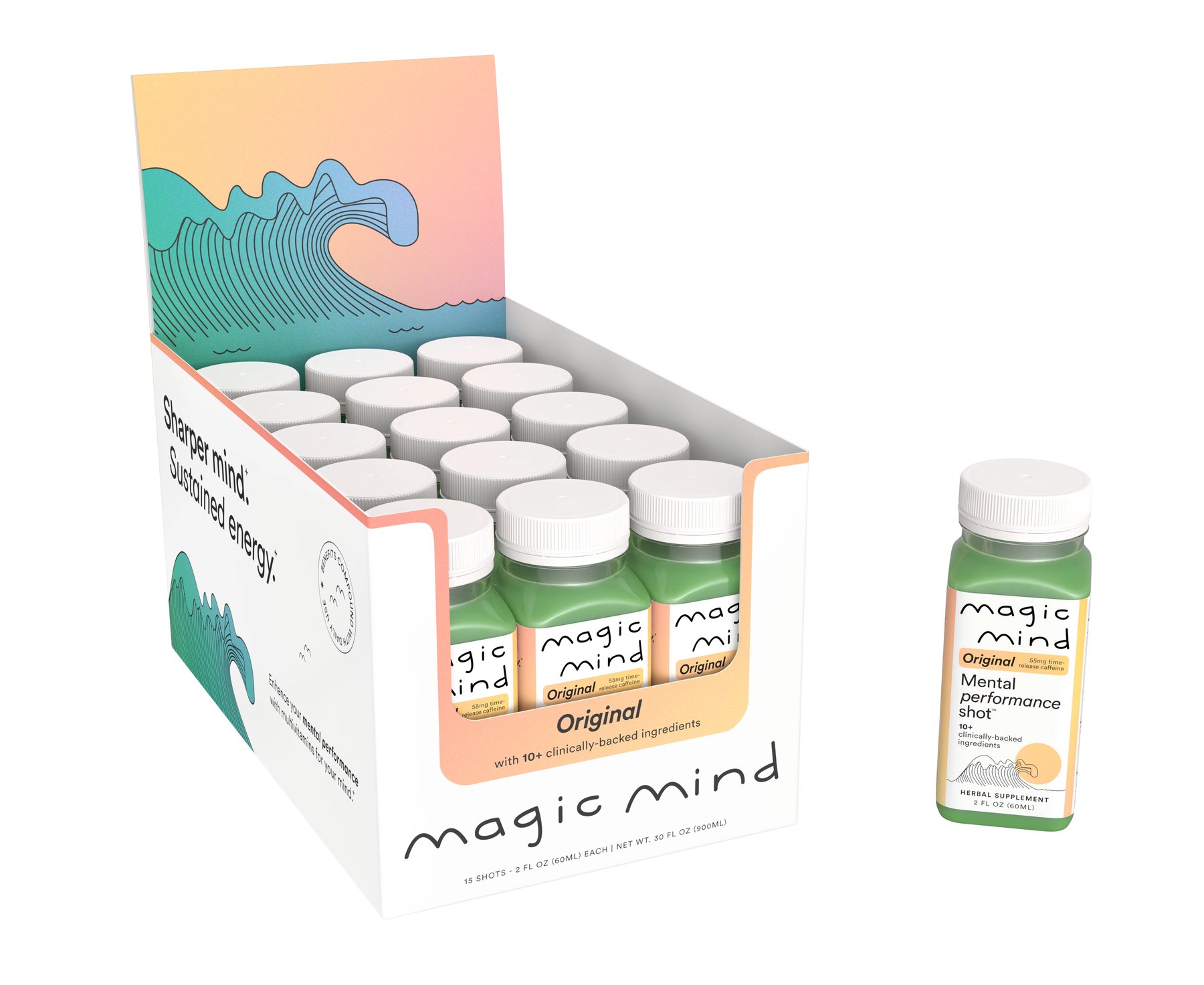
A household shelf needs clear guidance before a subscription starts. What should they read on your label before they subscribe, and what would it take for you to publish farm, extract and lab data by lot.
Check the Supplement Facts panel first, then the Other Ingredients line, then the caffeine line. Note serving size, servings per container, total caffeine, and whether the package is Original, MAXX or FREE. When caffeine sensitivity is a concern, select FREE or take it earlier in the day. When buying for a partner or parent, review allergen and sweetener lines together. Retain the lot code and best by date until the case is gone. Those details allow any later inquiry to be answered.
What would wider release require. Three moves. First, vendor contracts that stipulate source, harvest date, extraction approach and extract ratio for each central input. Second, an independent lab plan that examines identity, caffeine, heavy metals and microbes in every batch and posts a summary under the batch code. Third, a label revision that separates doses where feasible without revealing the full recipe. Frankly, earning a subscriber for a fine product takes far less work than reselling an average product again and again Sharing the chain forms part of quality. We have not arrived there yet, but that is the shelf we hope to merit.
Closing note from the desk
What lingers with us is the frank account of what remains unseen. Beshara can name the routine that began the project, the two years of kitchen blending, the three releases and the nine months without clear cash reports. He cannot yet name each grower by batch, and he admits it. Such candor is scarce in a field fond of adjectives.
Magic Mind began as a move away from seven cups of coffee toward a smaller and more even morning. The coming task is archival. Share the farms, the preparation methods, the assays and the thresholds. Until that point, read the package as written: a proprietary mix with a clear caffeine line and a maker open to questions about source.
Product spotlight
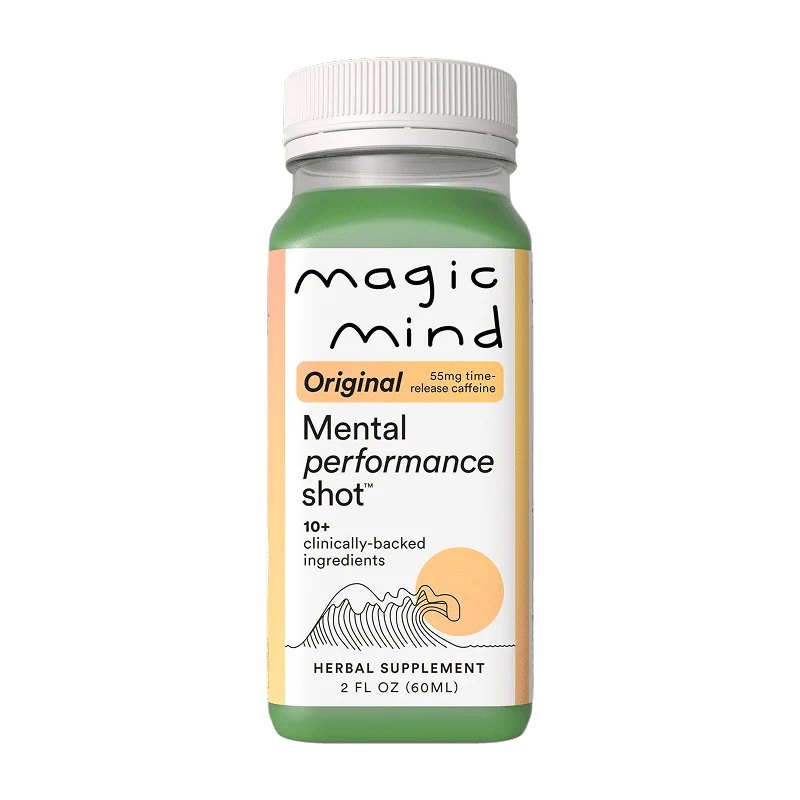
Magic Mind Original is a two ounce morning shot offered as 15 bottles for 74.25 dollars. The package notes a proprietary mix of nootropics, adaptogens, vitamins and caffeine from green tea. The maker says it may help support focus and steady energy. Take one chilled bottle in the morning, shaken, alongside or instead of coffee.
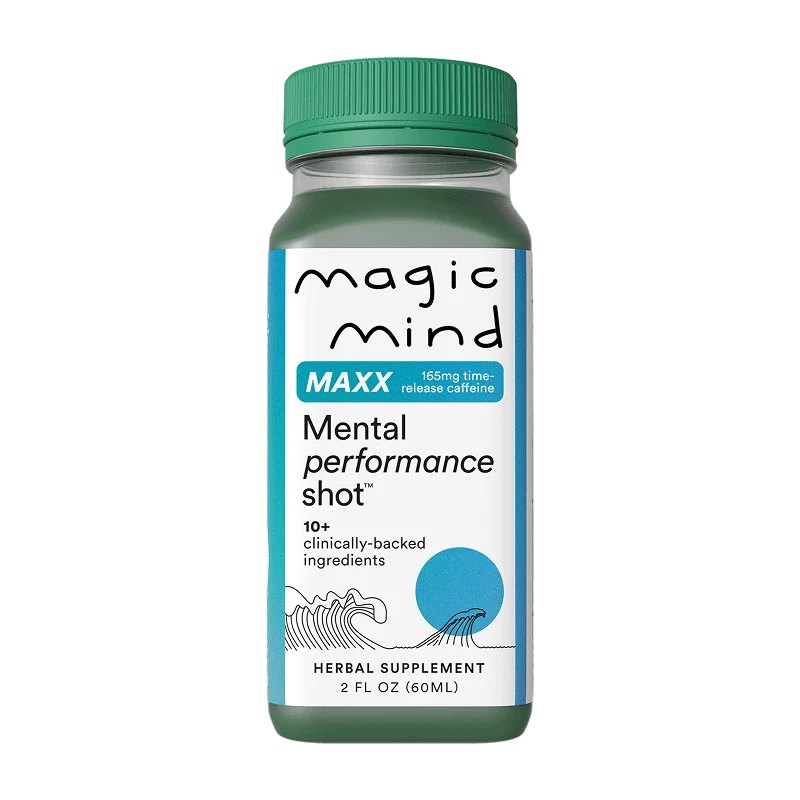
Magic Mind MAXX is a two ounce morning shot offered as 15 bottles for 74.25 dollars. The package notes a proprietary mix with added functional mushrooms beside nootropics, adaptogens and vitamins. The maker presents it as the stronger daily recipe. Take one chilled bottle in the morning, shaken, and review total caffeine before adding coffee.

Kristina Patel
Kristina produces the interviews at Root to Bottle: the research, the question lists, the follow-ups. She grew up on her grandmother's turmeric milk and still asks every founder where their plant was grown and who taught them to use it.
More from Kristina Patel →