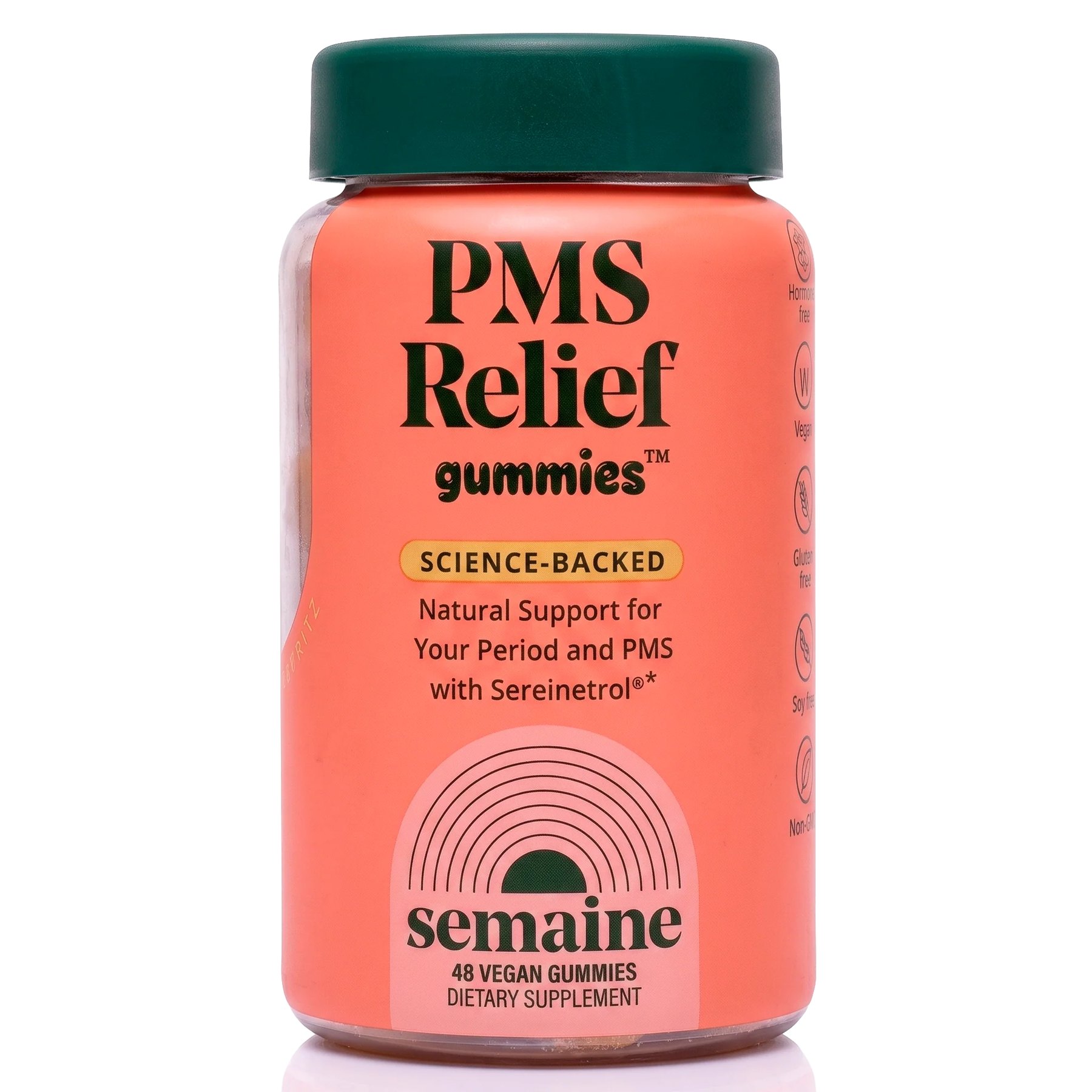
A 32.99 dollar bottle that starts with first PMS signs. Semaine grew from one household search for relief from period pain into a library of plant based blends for cycle, gut, bladder and midlife shifts. Founders Lauren Lee and Matt Crane describe the botanicals they use, how each extract is made, and what independent testing has reported so far.
The label lists a starting point tied to symptoms, not the calendar month. That small direction points back to the kitchen table history behind Semaine, where long ignored period pain met a bioengineer prepared to follow each symptom toward a material source.
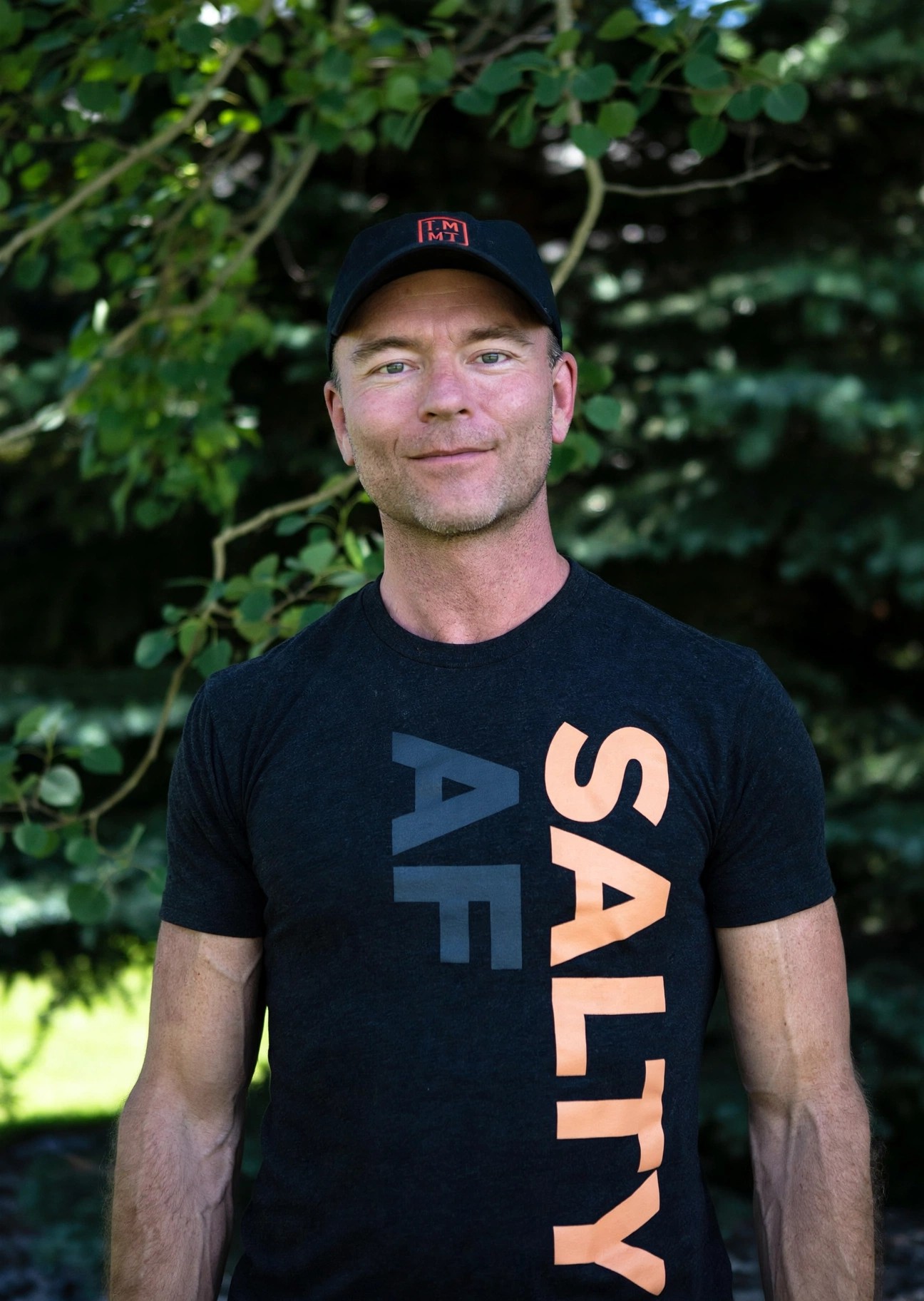
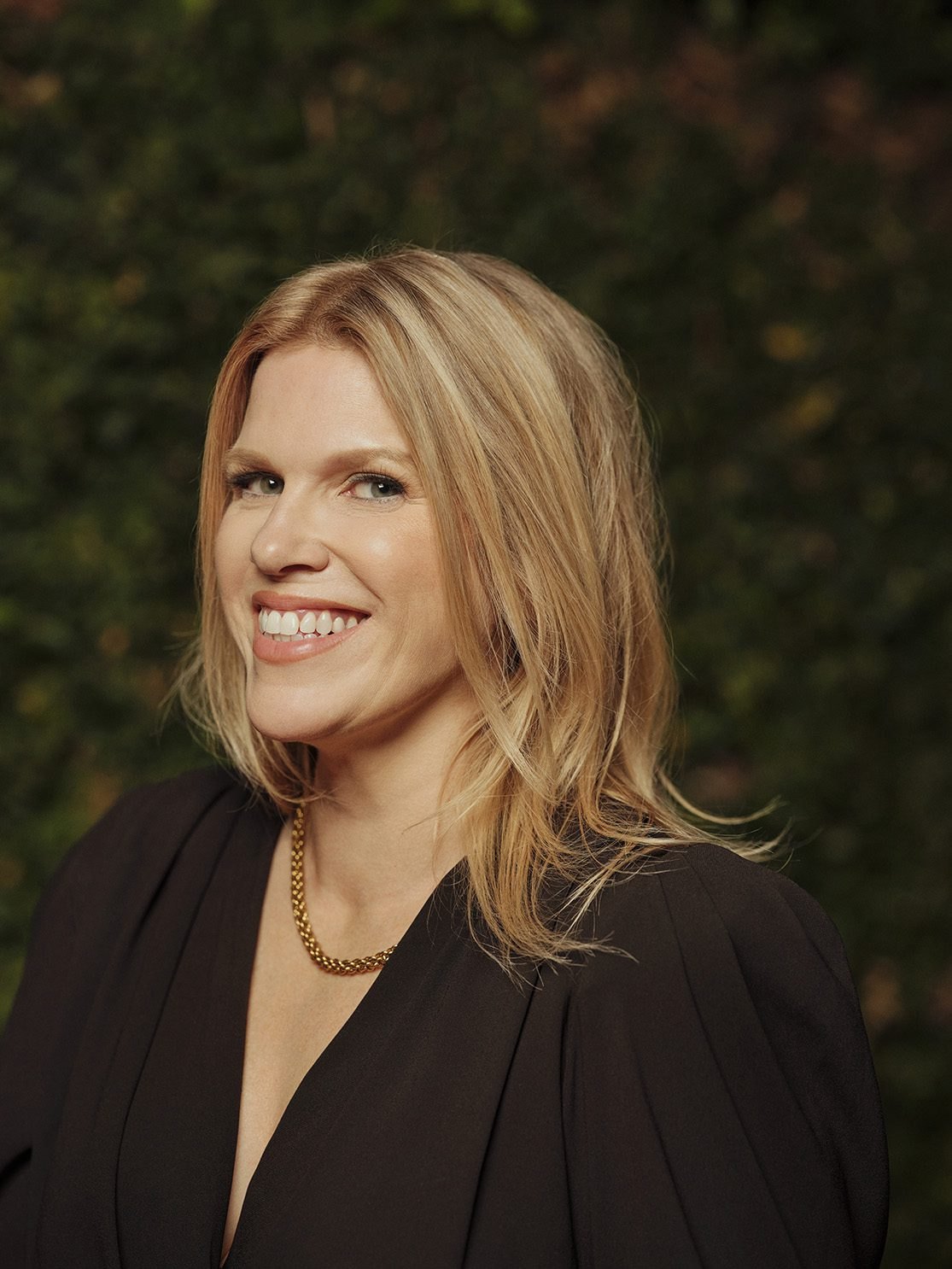
Lauren Lee is chief executive and cofounder. Matt Crane is cofounder and chief science officer. The third figure in the account is Lar, who is married to Matt, and whose years of severe menstrual pain and endometriosis prompted the research. Twin sisters Lar and Cath carry matching DNA and matching endometriosis diagnoses. The brand reports that neither sister received a straightforward path forward.
That household origin still shapes the catalog. The company offers botanical supplements meant to support comfort during menstruation, steadiness during PMS, hormonal rhythm, digestive comfort and urinary health. It reports that finished blends have been examined in studies run through an outside independent lab, and that each supplement passes outside checks for quality and purity. It notes counsel from a medical advisory board covering gynecology, urology and other fields. Beneath the mission wording sits a quieter habit. Semaine asks readers to judge documents rather than slogans.
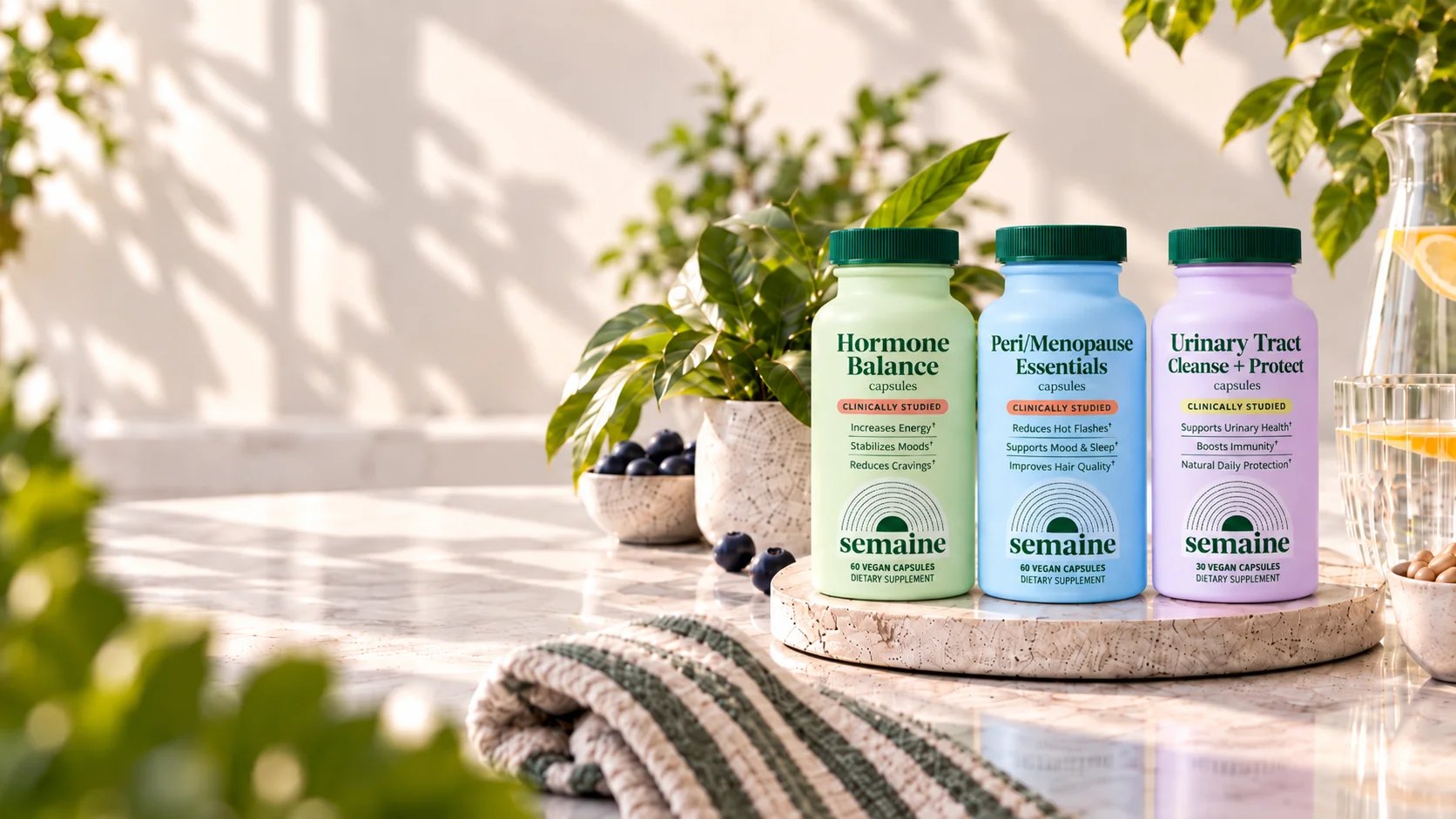
Your Hormone Balance at 36.99 dollars blends three botanicals with essential vitamins and minerals for steady mood, energy and cravings, so how do you choose which plants belong when the front label cannot list every field.
I am Matt, and I will begin with the back panel because that is where the botany lives. The front of Hormone Balance has room for very little. The Supplement Facts panel carries more weight. It names three botanicals plus essential vitamins and minerals. For each botanical we list the part harvested, the preparation, the amount in a serving, and the extract ratio or marker compound where one is set. That detail lets a shelf reader compare bottles with care.
Our choice starts with recorded traditional use and with published research, then turns to harvest reality. We ask whether a grower can supply the same marker across seasons. We ask whether the extractor can hold that marker while using methods we accept. We ask whether the finished lot can meet our specification for quality and purity. A plant that fails those checks stays out, no matter how appealing its story sounds. The other ingredients line receives equal care. Shell, carriers, color. We keep that list brief when possible, and we disclose what stays. Words like clean and pure need paper behind them, so we try to supply it.
You speak of twin sisters Cath and Lar who share DNA and an endometriosis diagnosis yet never shared a clear answer, so how did that truth guide you to build Semaine for more than one body.
I am Matt, and as a scientist that pairing stayed with me. Matching DNA, matching diagnosis, separate lived patterns. It taught us that cycle health involves more than a handful of hormones, because it touches a full system. Hormone levels shift by day, by week, by month and across a lifetime. Our name carries that rhythm. Semaine means week in French.
We resisted building a single cramp capsule and stopping there. Work that started with menstrual pain widened into an effort to support balance from the root. That idea shapes every recipe. We treat cycle, digestion, bladder and mood as linked. We aim at the root of discomfort rather than only its outward signs. Root work rather than surface work. The phrase is simple to print. It is demanding to document. For us it calls for research on the completed blend, not on one herb alone, plus clear guidance on use and on when to pause. Born from love. Backed by biology. We hold ourselves to that measure.
Your brand also says that every supplement is third party tested for quality and purity, so can you lead us from the field to that certificate of analysis in the order the material travels.
I am Matt again. The sequence runs from farm or fermentation vessel, through drying and extraction, into powder or oil, into capsules, then into testing by lot. A cultivator gathers the crop. That harvest lot is dried until moisture is controlled. Then extraction draws the chosen fraction into a powder or oil, with a stated extract ratio or marker level noted first in our specification and then on the label where rules call for it.
The bulk ingredient arrives with papers of its own. Next we blend to target fill weight, fill capsules, and quarantine the finished lot. An outside lab examines that lot for identity, potency and contaminants, covering heavy metals and microbes where relevant, and then provides a certificate of analysis. The certificate attaches to one lot and batch code, never to the brand as a whole. When we say each supplement passes outside testing for quality and purity, we refer to that finished lot review. A shopper who asks about the origin of a botanical should be able to follow the lot file from grower and harvest through extract to finished capsule. We are working to make that file visible.
Your about page shares that Lar lived years with dismissed symptoms and partial answers before a plant based formula gave her first pain free period, so what did those years show you about what a label must prove.
I am Lauren, and I want to open with Lar because Matt and I witnessed those years from close range. Lar is our family. Providers told her that intense pain was ordinary, then sent her home without a plan. Long stretches of dismissed symptoms and partial replies alter how a person reads any package. You lose faith in the front. You rotate the bottle.
After Matt applied his training to compose a botanical formula and Lar experienced her first pain free period, we did not assume we held a universal answer. We felt we carried a duty to examine it with care. That is why we speak of building the options we could not locate, because we hold that every woman deserves them. To me, a label must display its evidence. It should name what sits in the capsule, the quantity, the preparation, and the testing behind it. Our buyer studies the Supplement Facts panel and the other ingredients line. She shops for herself and often for a home. She repurchases across years only when a product earns trust. We must earn it.
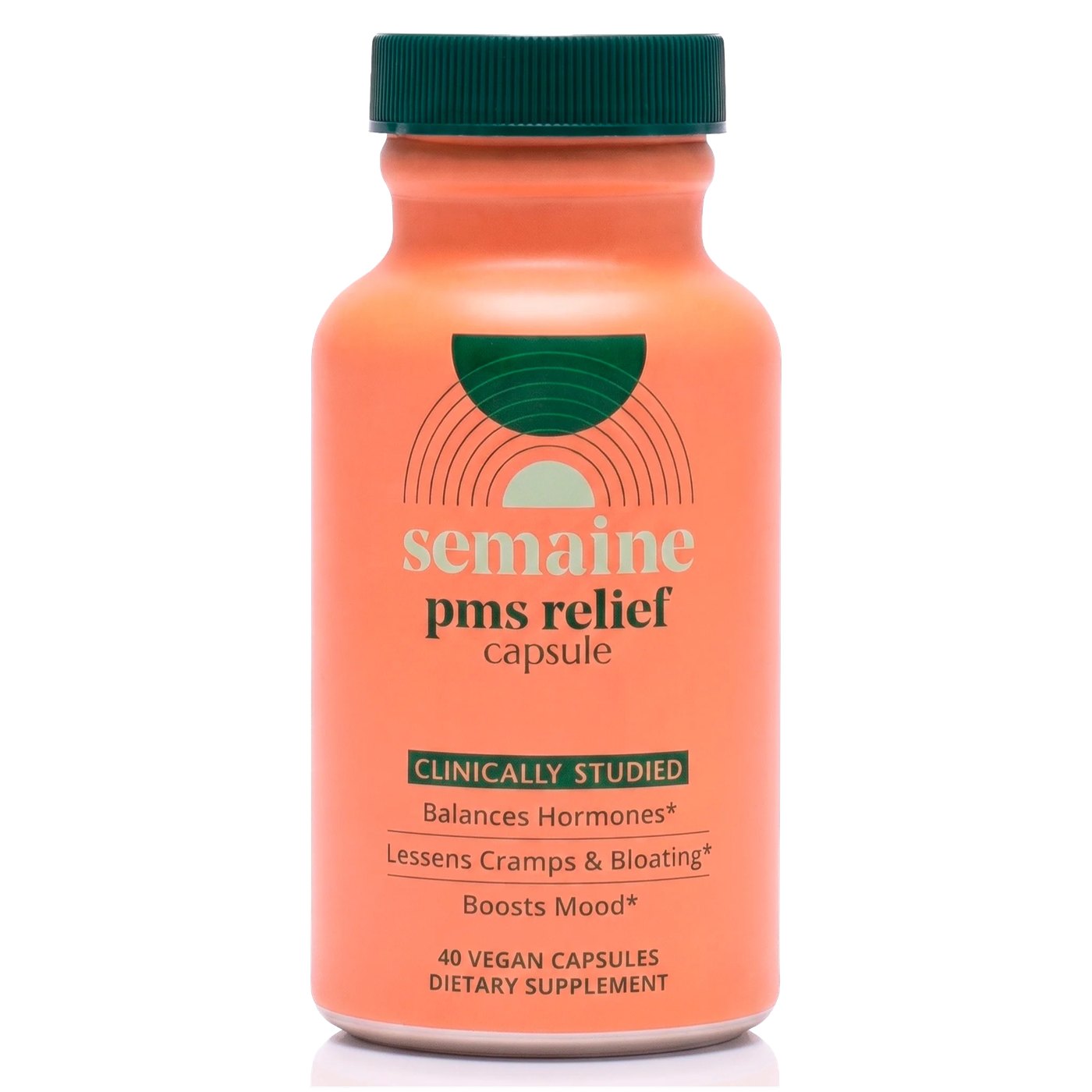
Your PMS Relief Capsule at 32.99 dollars says to begin when first PMS symptoms start and to pause once the period ends, so why did you craft it for episodic use rather than daily use.
I am Lauren. We created this because our own home needed it. The PMS Relief Capsule connects directly to our beginning. In brand wording, it soothes menstrual signs such as mood swings, bloating and cramps. That phrasing is printed on the label and product page. It conveys intended support, not assured results for you.
We chose episodic use because it mirrored Lar’s cycle. Discomfort climbed, then receded. Taking capsules across the full month did not fit her rhythm. So our directions advise beginning at the first PMS signs and pausing when menstruation ends. That choice also clarifies supply for the buyer. A single pack contains a set count for that interval. The two pack at 64.98 dollars and the three pack at 89.97 dollars continue the same cadence. We held the recipe plant based because those materials were ones we could trace, obtain steadily, and assess as a finished blend. When someone seeks everyday help for mood, energy and cravings, we direct them toward a daily blend instead.
We chose to run clinical studies on our formulas from the very start, long before we had scale.
Lauren Lee and Matt Crane
Your site shares that you run clinical studies on your formulas with an independent third party lab, and that you have done so since day one, so what does that testing truly include and what does it leave aside.
I am Matt. Outside labs run studies on our formulas, and we commission that work through an independent third party lab. Actual data, rather than only our assurance. We committed to studying our blends from the first days, long before scale. The cost runs higher. Timelines stretch. We viewed it as the sole basis for requesting trust.
More precisely, we examine the completed blend as purchased, not merely its components. Independence means protocol design and data gathering remain outside our staff. That structure allows us to report what volunteers described under trial settings. It never establishes how a capsule will act for a given reader. Any trial carries boundaries of enrollment, duration and population. We repeat results in the brand’s own terms, while the label provides contents and directions. We avoid asking research to support more than it measured. We retain a medical advisory board across gynecology, urology and other areas so teaching reflects what was truly observed.
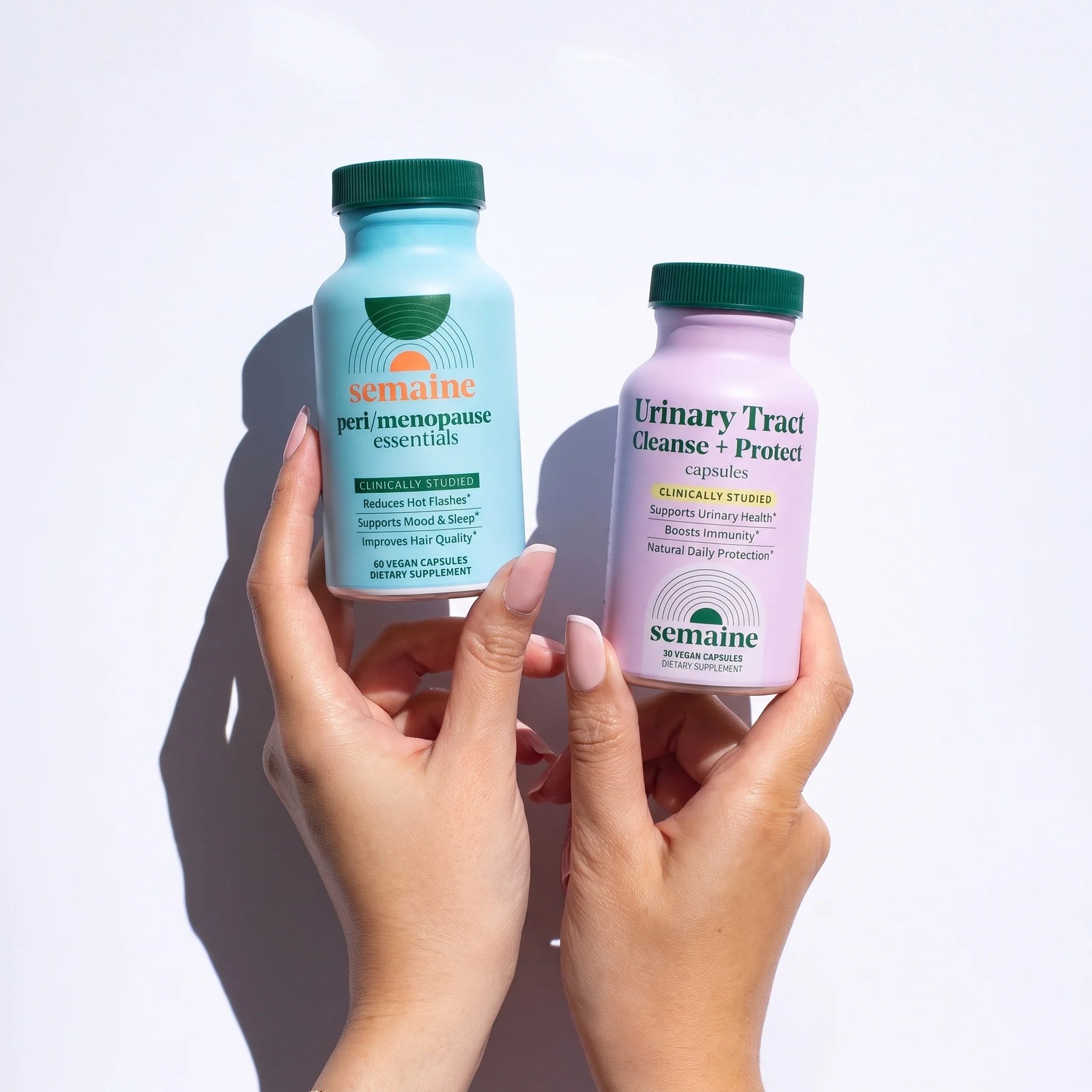
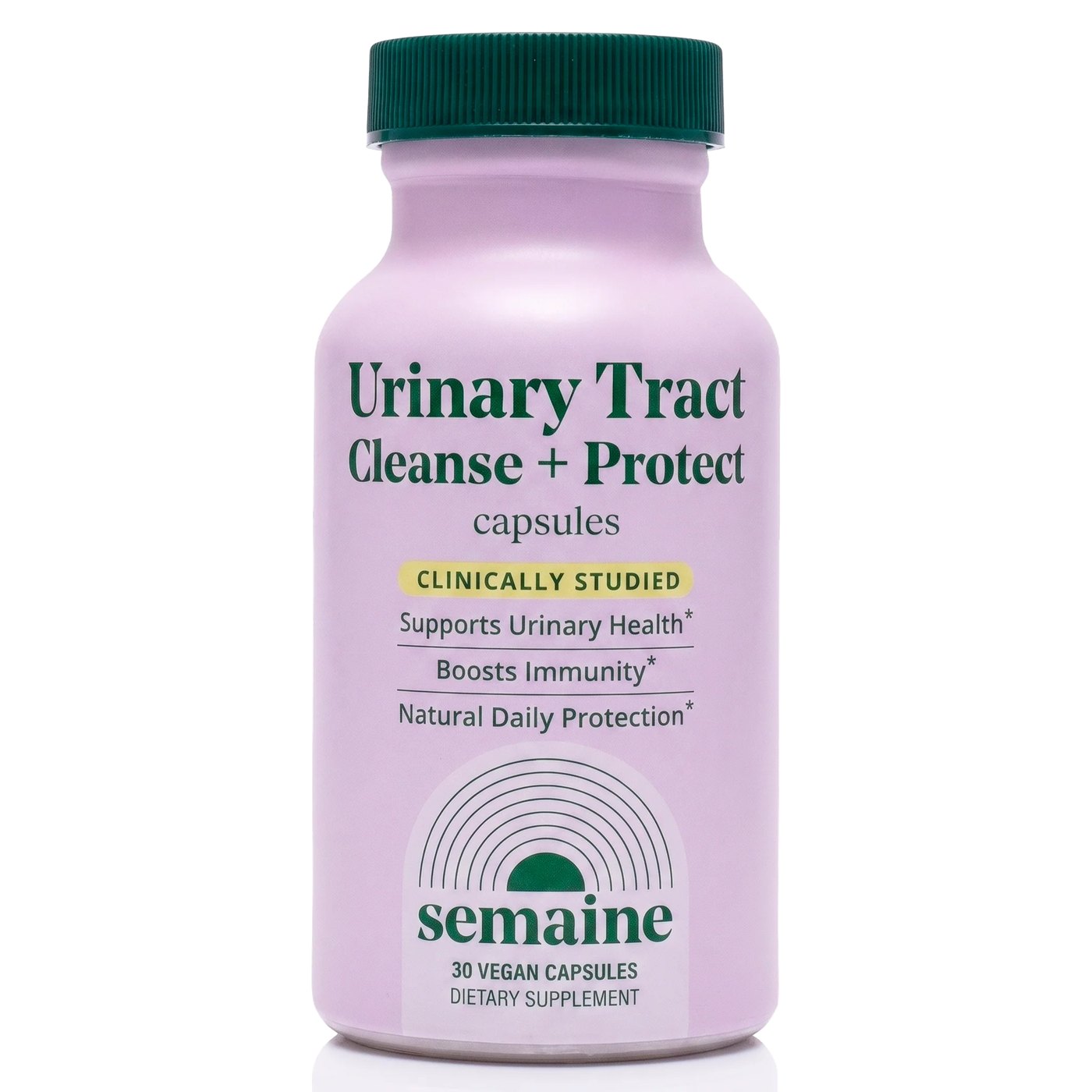
Your Urinary Tract Cleanse and Protect at 30.99 dollars centers on Anthocran Phytosome cranberry described as 3x better absorbed and you note biofilm care while hibiscus supports immunity, so what can you trace and what remains unclear.
I am Matt. I will keep near the label itself. The formula builds around Anthocran Phytosome cranberry, a cranberry preparation carried in phytosome form to aid uptake. The page carries the phrase 3x better absorbed. That ratio comes from the supplier’s stated work on that ingredient form, not from a test of our finished capsule by itself. We repeat it as brand stated information.
What we can follow is extract identity, serving amount, daily use for urinary support, and finished lot review for quality and purity. Our functional wording stays tight. Most urinary products speak to bacteria. We speak to the biofilm. Steady daily care, at the root. That language marks where we hope to act, not a pledge of effect. What remains incomplete, candidly, is a full seasonal map down to each field. We can cite extract, form and lot. Grower level mapping for every botanical across seasons is the file still to publish, and we recognize that gap.
Your team page notes that many on the team are women and half live with chronic health conditions, guided by a medical advisory board in gynecology, urology and more, so how does that shape testing and clear language.
I am Lauren. That composition governs what language we refuse. When half our colleagues manage chronic illness, inflated claims feel intimate. We understand reading a package at a pharmacy shelf while hurting. So we draft directions as plain stages. When to begin. When to pause. Daily or episodic. With food or as labeled. We claim plant based only where accurate. We claim outside testing only where accurate.
Our board keeps wording precise. Gynecology, urology and other specialties means urinary wording receives urology review, while cycle wording receives gynecology review. Members look at study language and learning materials so we portray what was examined without converting it into guidance for a reader’s condition. We Made This Because We Need It reads to us as practice rather than tagline. It signals that tester and buyer are often colleagues in one room. That closeness lifts expectations for certificates, not only for prose.
You grew from period care into bladder, gut and perimenopause and menopause care, with a 40 plus line and a Microbiome Protocol, so how do you hold a whole body view while staying rooted in the capsule.
I am Lauren. For us, womens health is never only a few hormones, it is a whole living system. That view made wider work feel coherent. Bladder concerns, digestive concerns, hormonal change and menopause signs kept surfacing inside the same homes. Women shared that clinicians called their signs ordinary. We reject that reply. We reject surface cover absent root work. We reject selling science absent outside formula studies and quality review.
We preserve the link by repeating the same paper trail. Every new blend follows the same order. Specification, finished blend research through an outside lab where stated, lot testing, plain directions. Peri and Meno Essentials at 36.99 dollars is described in brand terms as clinically studied to ease 14 measures of menopause, covering hot flashes, mood swings and hair thickness. Pre and Probiotic for Women at 32.99 dollars is described as carrying ginger extract for digestion, nausea, bloating and intestinal discomfort. We keep those accounts separate. Each label rests upon its own lot file.
Semaine is French for week, which you connect to hormones shifting daily, weekly, monthly and across life, so what would it take to reveal the full chain for one bottle, from grower to capsule, with no gaps.
I am Matt and Lauren together here, because the question joins operations with pledge. Full visibility would call for naming cultivator and harvest lot, recording drying technique and extraction technique with ratio or marker, citing encapsulation location and fill weight, and releasing the finished lot certificate showing heavy metals and microbe outcomes. Then we would tie that packet to the lot code printed on the bottle.
Portions of that sequence exist now in specifications and outside testing. Seasonal field mapping across a broader botanical set is still under assembly, since harvests rotate and vendors evolve. What they did not share was a clear answer, so they chose to construct one, for their own home and for women repeatedly told their signs were ordinary. That line continues to lead us. An answer deserves a traceable path. Where a stage is not yet shown, we name it, and we describe what display would require. That is how a week to week account earns a lasting place on the shelf.
Closing note from the desk
What lingers for this desk is the sequence from harvest to paper. The founders begin inside family experience, then turn soon to lots, botanical parts and outside labs. Wording remains careful on panels and directions, and widens only when naming purpose.
Semaine aims to support balance from the root and help women feel more themselves through studied blends. Put plainly, that translates to botanical mixtures, finished blend research through an outside lab as reported, lot checks for quality and purity as reported, and labels that guide a careful shopper on when to begin and when to pause.
Product spotlight
PMS Relief Capsule at 32.99 dollars for a single pack, with a two pack at 64.98 dollars and a three pack at 89.97 dollars. Support for menstrual signs such as mood swings, bloating and cramps in brand terms. Use as labeled beginning at first PMS signs and pause after menstruation ends.
Urinary Tract Cleanse and Protect at 30.99 dollars for a single pack, with a two pack at 61.98 dollars and a three pack at 92.97 dollars. Daily support built around Anthocran Phytosome cranberry plus hibiscus in brand positioning. Use daily for urinary care per label directions, with lot testing for quality and purity as reported.

Kristina Patel
Kristina produces the interviews at Root to Bottle: the research, the question lists, the follow-ups. She grew up on her grandmother's turmeric milk and still asks every founder where their plant was grown and who taught them to use it.
More from Kristina Patel →