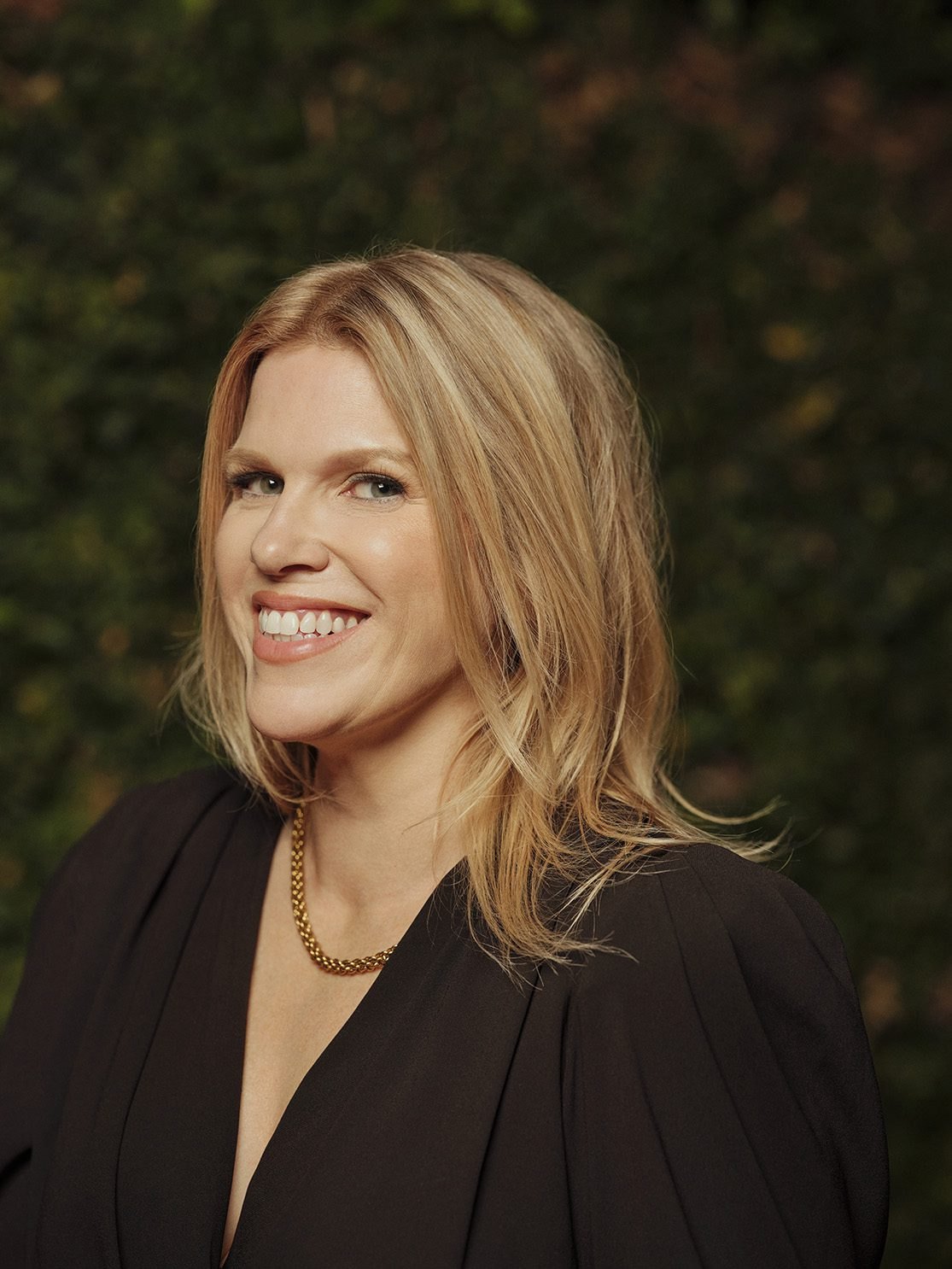
More than 140,000 parents now reach for Begin Health when potty time turns hard to predict, building the brand message by message from daily stick packs. That single count tells the story better than any slogan, a crowd of families looking for regular poopies and calm everyday gut support.
Madeline Lauf grew up in rural Illinois, where cheap processed food shaped the health of small children around her. She worked in finance and then in tech marketing, and later lived in Asia where she watched strong demand for American infant formula. She first tried a healthier formula for those markets, then a better for you milk for kids, and both plans fell apart before they could scale.
What remains is smaller and easier to check. Begin Health now sells fiber blends for children ages 1 and up and a synbiotic with HMOs for term infants from 0 to 12 months, made with registered dietitians, pediatricians and microbiome researchers. This talk follows the plants and materials behind the powders, from agave and kiwi to milk sugars, through drying and testing, to what present research can and cannot support.
You spent years trying to settle your own gut trouble and finding little that helped, and you often say the future of America starts with our kids. How does that lived experience guide recipes for ages 1 and up?
I lived with gut trouble for years and tried solution after solution with no real answer. That history teaches careful label reading. It also leaves little patience for fast fixes.
When I say the future of America starts with our kids, and that weak health early on brings large problems later, I point to the early window. We build with a PhD in nutritional biochemistry and a registered dietitian, with pediatric gastroenterologists, pediatricians and scholars around us, including Belinda Jenks, David Madsen and Dr Gilberto Bultron. We keep a firm line on fillers or artificial ingredients in our blends. We prefer science backed formulas made with experts to sweet kid products filled with extras. For ages 1 and up, the result is a tasteless and textureless powder in 28 stick packs, stirred daily into foods or drinks, hot or cold.
You first set out to make a healthier infant formula for Asia after seeing demand for American formula while living there, then found a formula startup was almost like starting a pharmaceutical company. What did that show you about what a small team can truly produce?
I come from rural Illinois, and to be honest, nutrition guidance out there is not strong. I have cared about health for a long time, and my career until then had been fully in tech. While living in Asia I kept noticing how much families valued those infant formulas from America. Coming from rural Illinois, I asked what a better version could look like.
I soon saw that a formula startup was almost like starting a pharmaceutical company. The lab work, the approvals, the funding, the schedule. It was too heavy for a lean startup. You have to keep pivoting essentially until you land on what fits. That first plan pushed me to change the question. Not what looks ideal on paper, but what we can make to a gold standard with our team and means, and stand behind lot by lot.
Investors turned down your better for you ready to drink milk aimed at nutrients kids lack, and funds ran dry. Yet the parents most drawn to that milk kept describing picky eaters with constipation and daily laxative use. How did you choose to act on what they said?
That part was humbling. We made a better for you ready to drink kids milk for nutrients kids lack. Investors said no and the company ran out of money. On paper, that reads as the close.
But the parents most drawn to the milk had picky eaters dealing with constipation and daily laxative use. They were not requesting a new flavor. They wanted regular poopies and steadier potty time without a chemical laxative approach. So we changed direction a third time and launched Begin Growing Up Prebiotics for kid constipation. I came to see that the key to lifelong health is how we begin. You have to keep going, even when stopping feels sensible. We held the line, no sugar and no artificial fillers, and focused the work on one daily powder families could truly use.
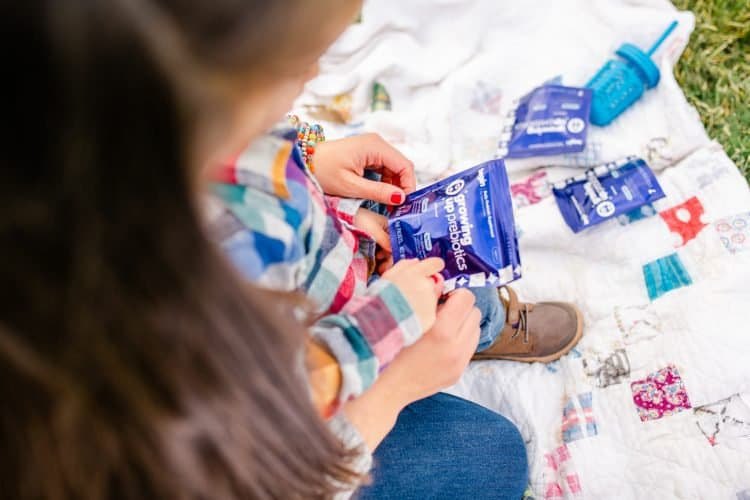
Daily Growing Up Magnesium combines magnesium with kiwi powder and prebiotic fiber from agave inulin in 28 servings for 70 dollars. Where do those parts begin, and what takes place between harvest and pack?
I can outline the chain in broad terms, since that is the part we direct and record. Agave inulin starts as fiber drawn from the agave plant. Kiwi starts as fruit that is picked, dried and ground to powder. Magnesium begins as a mineral salt bought from a supplier, not grown in soil.
From harvest to finished serving, the work runs through drying and milling, extraction or isolation where useful, blending to recipe, then encapsulation or stick pack filling by fill weight. Every incoming lot ought to come with a certificate of analysis from the supplier, and finished batches go to a third party lab for identity checks and for contaminants such as heavy metals. I prefer to share records over claims, grower or origin, extract ratio or standardized level where relevant, lot and batch numbers, and outside results. Where a stage stays unclear, we admit it. That care is needed before using a word like pure.
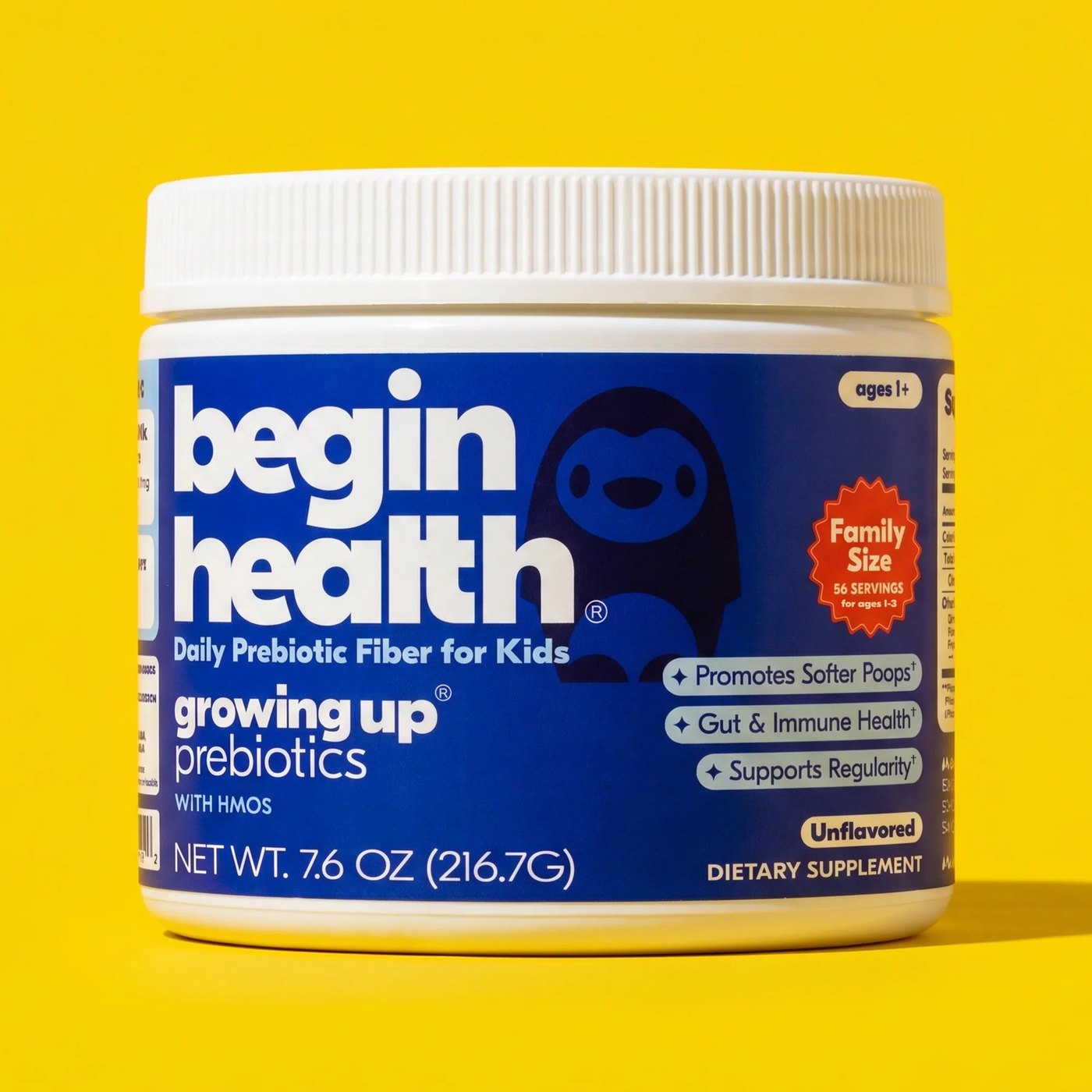
Daily Growing Up Prebiotics costs 70 dollars for 28 stick packs in Family Size Unflavored, with flavored packs at 73 dollars, and is described as trusted by over 140,000 parents for regular poopies. What sits inside the pack, and how should a careful shopper study the label?
The panel presents a prebiotic fiber supplement for kids ages 1 and up. It is a high quality, gentle blend for regular poopies, steadier potty time and improved gut health. The powder is called tasteless and textureless, sealed in 28 stick packs.
What I ask a careful shopper to read is the Supplement Facts panel first, then the other ingredients line. Note the fiber source, the serving weight and the absences. Our refusal list covers no sugar and artificial fillers, no fillers or artificial ingredients. Then check the use. Stir daily into food or drink, hot or cold, with no need for refrigeration. The brand calls it a bestseller for steady poopies and gentle constipation support. That wording names intended use, not a promise about your child. Save the lot number and save the box until the packs are used, so any query can be traced.
I would rather craft science backed formulas with experts than sell sugary kid products with fillers.
Madeline Lauf
You frame it plainly as probiotics are the live bacteria, prebiotics are the food for those live bacteria, and you favor food for good bacteria over live bacteria that need refrigeration. Why did shelf stability shape the first product?
We repeat that line about prebiotics and probiotics, the probiotics are the live bacteria, prebiotics are the food for those live bacteria. That single line shapes much of factory work and home storage.
Live bacteria may call for careful handling and cold chain to keep potency. Our prebiotic fiber behaves otherwise. So it stays stable at room warmth. So no need for refrigeration. You can bake with Begin. You can stir it daily into food or drink, hot or cold. For a home shopping for a partner, a child, a parent, that ease matters. A small shelf of products kept for years must endure a kitchen, a lunchbox and travel. Stability gave us a plain path, no refrigeration needed, no chemical laxative approach, and a fill weight adults can confirm in the Supplement Facts panel and the other ingredients line.
Beginbaby Pre and Pro with HMOs at 42 dollars carries the method to term infants ages 0 to 12 months as a 3 in 1 synbiotic. Why bring probiotics and HMOs to babies when the kids range rests on prebiotics alone?
Babies begin from another place. The gut flora is mostly settled by age 3, in the first 1,000 days. Beginbaby Pre and Pro with HMOs is our 3 in 1 synbiotic with prebiotics, probiotics and HMOs to feed the growing baby gut.
For term infants ages 0 to 12 months, we sought a daily booster that supports gut health from first days through toddlerhood, no matter how they are fed. HMOs are prebiotics found in breast milk that feed beneficial gut bacteria, so they match our food first view. The probiotic part introduces live bacteria, which revives the stability issue, and so format, storage guidance and testing count more here than in the kids prebiotic powder. Families should study the strain, the count through end of shelf life where given, and the storage line, and hold views within what the label presents.
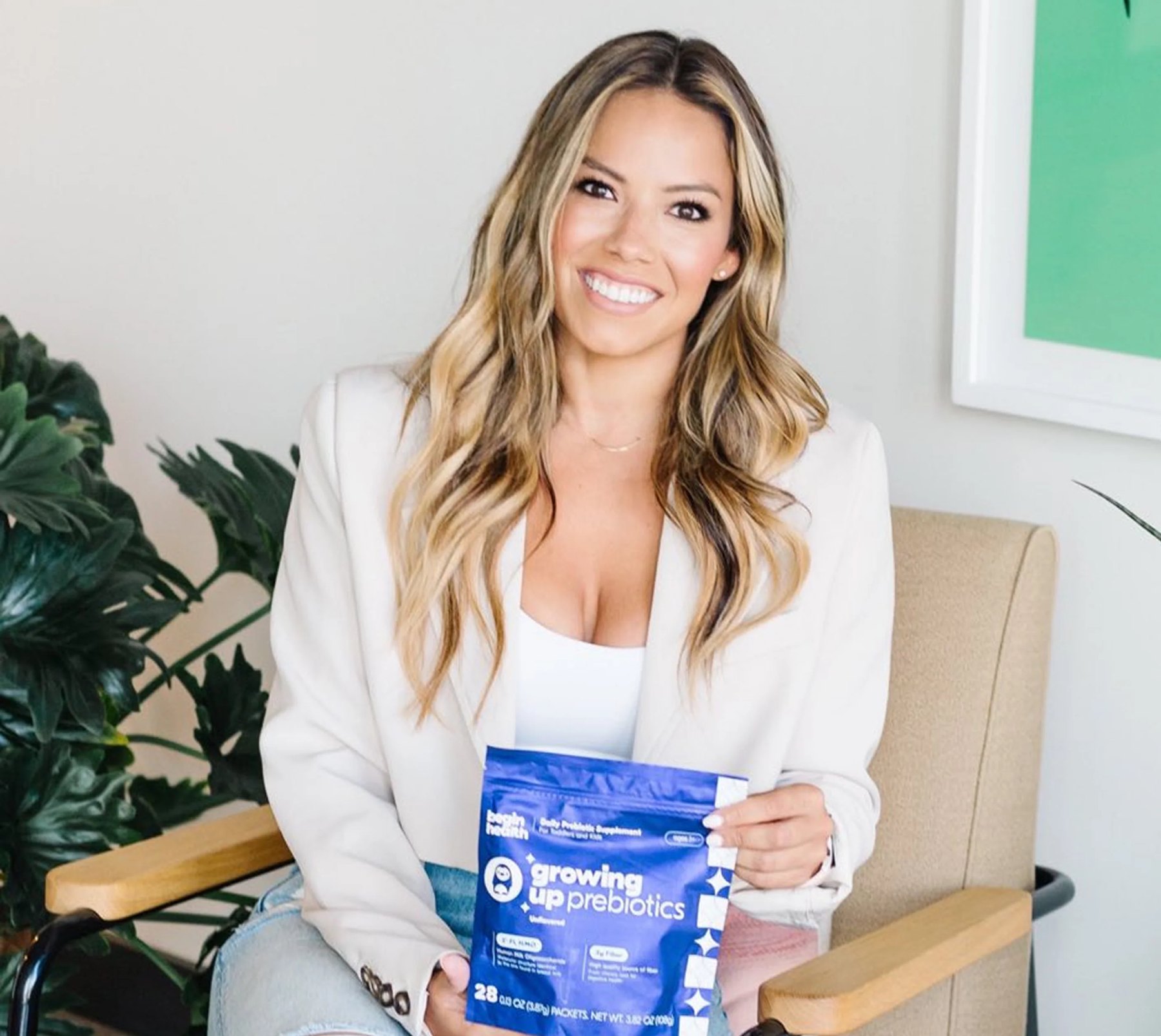
About 70 percent of the immune system lives in the gut, 90 percent of kids do not meet daily fiber recommendations, and you also offer a Gut Health Test for 199 dollars plus coaching plans. How do fiber, testing and coaching sit together without claiming more than a supplement can show?
Those figures show why we center fiber and food first, not why any single product suits any single child. Near 70 percent of the immune system resides in the gut. Ninety percent of kids miss daily fiber guidelines. That background sits on our site because parents ask how to begin.
Our Daily Growing Up Immunity mixes HMOs with efferra lactoferrin and vitamins D3 and C to help support a healthy immune system, in the brand’s phrasing. Our Gut Health Test at 199 dollars for Baby and Kid, and 537 dollars for Whole Family, gives an easy to read report with insights and next steps, in the store wording. Coaching plans review history and habits. I view them as distinct tools with distinct labels. The powder lists fiber and other ingredients. The test gives a report. Coaching gives a plan. None of them treats a condition by itself. When a parent seeks proof, I direct them to the panel, the lot files and third party testing, not adjectives.
You build with dietitians, pediatricians and microbiome researchers, and you reject fillers or artificial ingredients you would not feed your own kids. What is needed to trace the chain fully, from named grower to finished stick pack?
Full tracing calls for names, dates and amounts at each point, plus openness about gaps. We already credit the expert side, formulations developed with a PhD in nutritional biochemistry and registered dietitian, with Belinda Jenks, David Madsen and Dr Gilberto Bultron beside us. On the supply side, complete traceability asks for named growers or fisheries, harvest place and date, drying and extraction site and method, extract ratio or standardized marker, encapsulation site, fill weight, and lot specific certificates of analysis with third party lab verification including heavy metals.
Part of that sits in files and part stays broad on the public label, such as agave inulin shown without a named farm in the store copy I have seen. To display it in full, we must show origin by lot and tie the finished batch to those lots so a parent can confirm in under a minute. I prefer to keep pivoting until the idea works than halt when funding ends, and I prefer to use food for good bacteria than add steps we cannot record. That is the coming task.
Closing note from the desk
What remains after the talk is the sequence. Lauf did not open with a promise and search for support. She opened with failed trials, a firm refusal list and families noting poops with gamecards and stickers, then shaped the tightest product the files could carry.
Begin Health aims to supply gold standard, science backed nutrition that feeds the gut early to help kids thrive as they grow. In plain terms, that is prebiotic fiber without sugar or artificial fillers, steady on a kitchen shelf, with named testing and labels a reader can follow without a dictionary.
Product spotlight
Daily Growing Up Prebiotics are 70 dollars for Family Size Unflavored with 28 stick packs, and Strawberry Creamsicle and Banana Chocolate are 73 dollars. A prebiotic fiber powder for little ones ages 1 and up. Stir one pack daily into food or drink, hot or cold, with no refrigeration needed.
Beginbaby Pre plus Pro with HMOs, 42 dollars for term infants ages 0 to 12 months. A 3 in 1 synbiotic with prebiotics, probiotics and HMOs to feed the growing baby gut. Serve as a daily booster and heed the label for preparation, storage and serving amounts.


Kathryn Foster
Kathryn runs the news desk and the remedy guides at Root to Bottle. She keeps a shelf of old herbals at her desk and checks every traditional use against what the trials actually found, then writes down both.
More from Kathryn Foster →