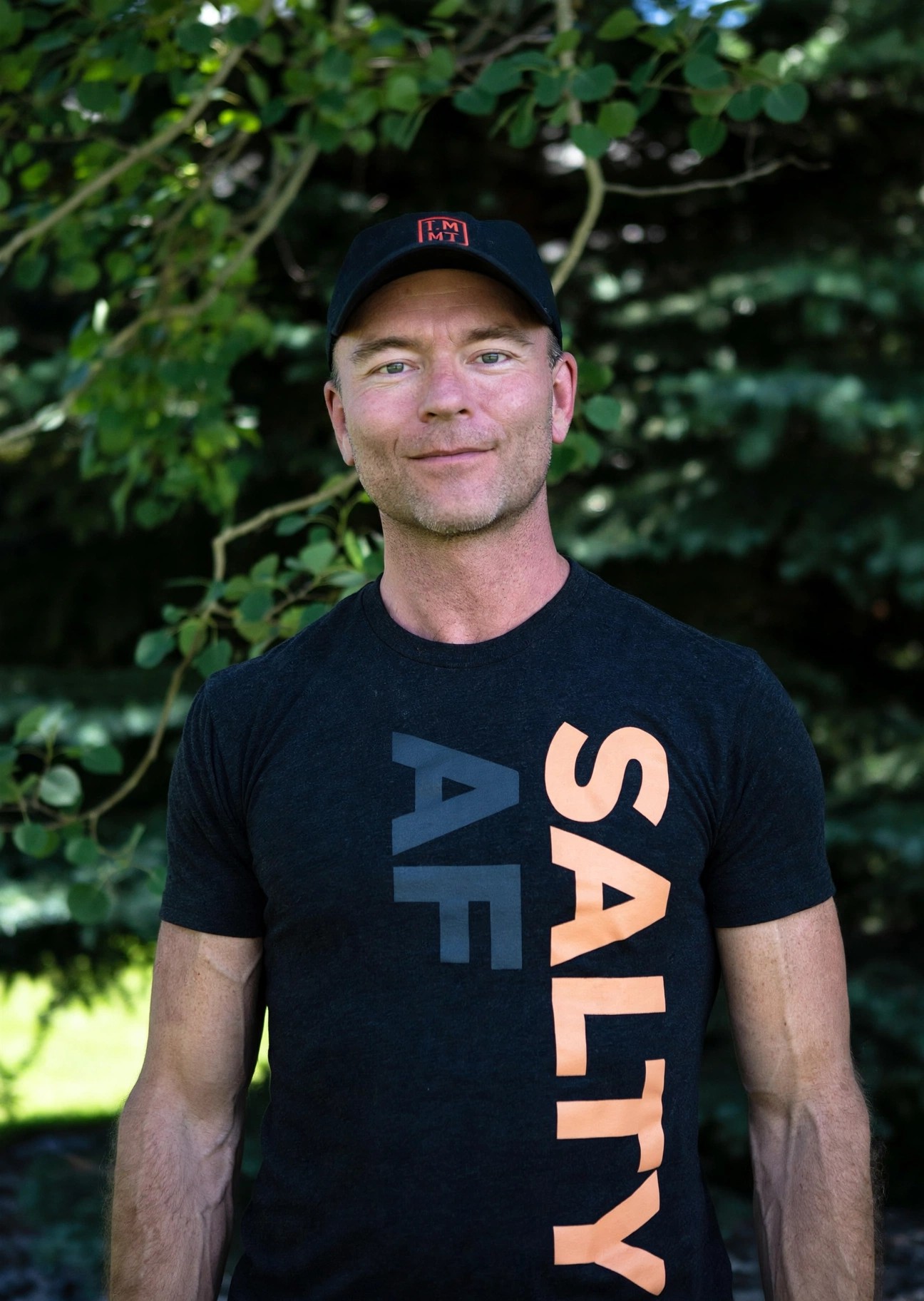
“You learn the season for each species.” That sentence from Tero Isokauppila holds his whole approach. A childhood spent gathering in Finland became a company built around daily brews.
In this Root to Bottle interview we follow five fungi from forest and farm to cup. We look at chaga, lion’s mane, reishi, cordyceps and turkey tail as they appear in coffee, cocoa and creamers, and we ask what tradition recorded and what testing shows today.
“You learn the season for each species.” Isokauppila said it about boyhood foraging, and it still describes Four Sigmatic after ten years.
The company reports 100 million cups served by its tenth year in 2022, a large count for a practice rooted in picking wild mushrooms. The founder grew up on a family holding in Finland worked for 13 generations. His father trained as an agronomist in soils and crops. His mother taught nurses physiology and anatomy. At home the table joined land and body in one talk, and outdoors the family gathered wild fungi and healing plants. His grandparents prepared chaga when coffee beans ran short.
Today the shelf range is familiar to many shoppers. Ground coffee, instant coffee, lattes, cocoa and creamers use extracts of lion’s mane, chaga, reishi, cordyceps and turkey tail. The notable choice is the vehicle. Isokauppila did not begin with pills or drops. He placed extracts in drinks people already brew each morning or evening. That choice shaped harvesting, manufacture and labelling.
Tero, you were raised on a family farm in Finland that has continued for 13 generations. What did that homestead show you about the source of ingredients?
I was raised in Finland on a holding kept by my family for 13 generations. My father worked as an agronomist, skilled in soil science and crop care. My mother taught physiology and anatomy to nursing students, so our meals linked fields and human bodies in a single discussion.
As children we passed long hours outdoors, collecting wild fungi and healing herbs while we learned how our bodies function. Finland is a country where you endure and stay close to woods. You memorise the season for every species. You discover which birch grove bears chaga and which hillside bears rhodiola. You bring the harvest home, dry it and keep it. That felt like ordinary living long before commerce entered.
Your grandparents simmered chaga when coffee beans were scarce. How did you first make sense of that drink, and how did it taste back then?
Practical need rather than romance explains the chaga pot on the stove. When my Finnish grandparents could not obtain coffee beans, they prepared chaga as an immune supporting drink. In Finland such substitution was plain common sense. You made meals from whatever the woods provided.
I later trained in chemistry and nutrition myself, which brought me early into coaching elite athletes and other top performers on food. Through that coaching I grew absorbed by functional fungi and adaptogens for stamina, including chaga and rhodiola from Finnish woods along with others found overseas. Childhood stayed with me in the shape of the serving. A hot, dark, bitter mug. Years on, when I considered how people might take mushrooms steadily, my mind returned to that mug.
You studied chemistry and business and earned a certificate in plant based nutrition at Cornell, then coached athletes. When did drinks take the place of pills in your mind?
I understood that more people could receive the mood, energy and cognitive benefits if the products tasted good and were simple to prepare. That line steered the entire firm. The athletes I advised did not seek another box of pills. They sought a morning habit they would maintain.
When I launched Four Sigmatic, I believed I had launched a mushroom superfood firm. Those were my words then. With time I saw we were really supporting customers with everyday struggles and mental wellness. So the inquiry shifted from which fungus to which hour of day. Coffee at sunrise. Cocoa at night. Latte midday. So with a few Finnish fun-guys, we made functional fungi part of drinks taken daily, like coffee.
Your pledge is nourishing mushrooms made tasty and simple in everyday drinks. How do you decide which species belongs in which drink?
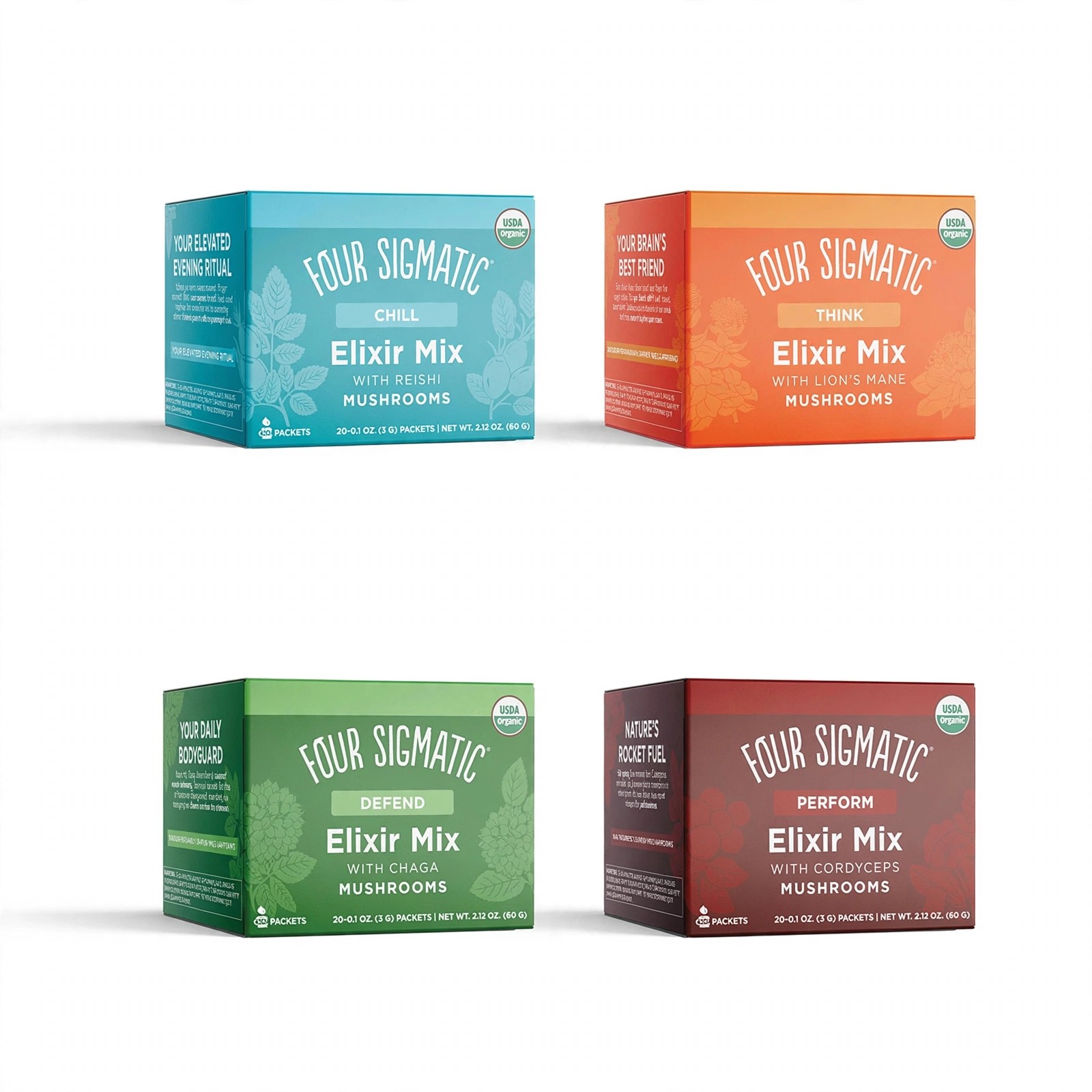
We assign fungi to hours of day, and packaging declares that plan. Our coffee blends include lion’s mane for focus. Chaga is added for immune support and focus. Reishi appears for calm. Cordyceps appears for energy. That is how the collection is organised.
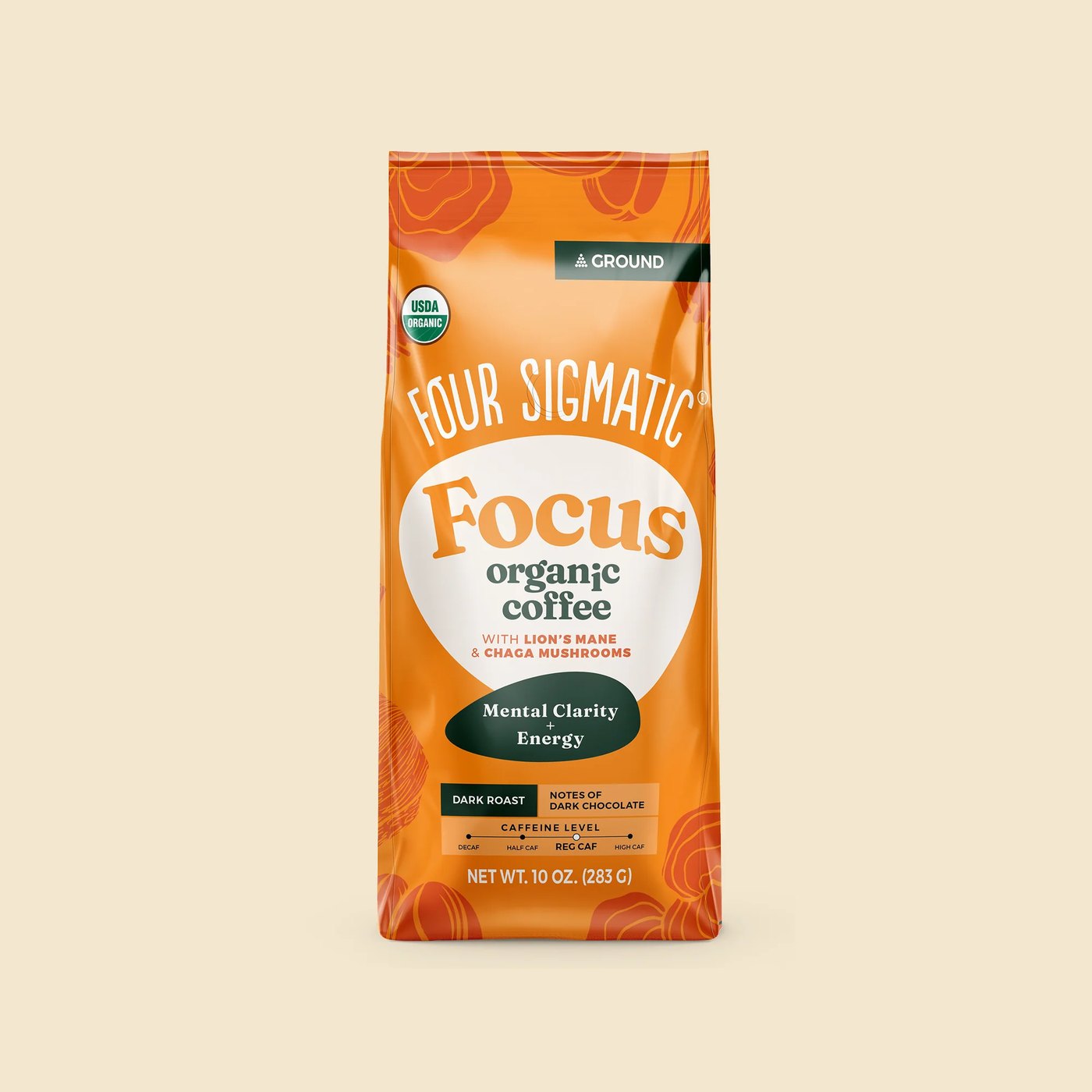
Focus Ground Coffee, our dark roast, combines organic ground coffee with lion’s mane and chaga extracts. You prepare it as drip or filter coffee to get work done. Original Mushroom Coffee blends organic Arabica instant coffee with fungi, adjusted across years for flavour. Calm Dark Hot Cocoa blends unrefined cacao with reishi. You stir it into hot water or milk for evening cocoa. We reject synthetics, fillers or harmful chemicals in these mixes. In daily terms that keeps the list brief, and taste must derive from coffee, cacao, coconut milk, spices or kindred foods.
I understood that more people might enjoy the mood, energy, and mental clarity if the drinks were tasty and simple to prepare.
Tero Isokauppila
In 2012 you started Four Sigmatic in the United States with a small Finnish crew. What were the early production runs like, batch by batch?
In 2012, I established Four Sigmatic with the hope of bringing Everyday Magic to lives. We began modestly. Instant coffee with fungal extract, sealed in single portion sachets. One batch of coffee, one batch of extract, mixed and filled to a fixed weight per sachet.
At first, we needed to persuade myco phobic Americans that fungi support health, will not cause a high, and will not leave coffee tasting like soil. That filled our days. We avoided psychedelic or high inducing kinds. Only culinary and functional types already eaten as foods went in. We held recipes plain so coffee still tasted like coffee. Of course, raising money as recent immigrants without credit scores posed another major hurdle. We knew growers and extracts, yet held no local borrowing record. Each order counted.
The brief notes that you study and lab test ingredients. For a careful shopper reading the panel, which tests cover a usual lot and who performs them?
We research and lab test ingredients, and we craft goods without fillers or artificial flavours. With every arriving extract batch, identity is verified to affirm species. Then moisture, heavy metals and microbes are measured against fixed caps. A certificate of analysis logs the outcome under that batch number. Third party lab signifies a facility independent of the vendor affirms the finding.
What paperwork demonstrates and what it leaves unshown matters for buyers to grasp. A certificate shows that a portion from a lot satisfied tested thresholds on the test date. It will not name the woodland or the cultivator unless the lot dossier connects back to gathering or farming logs. We retain lot dossiers so a finished pouch or carton can be linked to its incoming batches. Certain links record more readily than others, above all when crude material moves through dryers, mills and extractors before arrival at our site.
From instant sachets to ground coffee that tops Amazon and rests in Walmart, Whole Foods, Target, GNC, Albertsons and Vitamin Shoppe. What shifted in sourcing as volumes rose?
Growth altered documentation more than formulation. A short run may draw on one dryer batch from one district. A broad run requires multiple incoming batches to complete the blend, every one with its own certificate, mixed toward one standard. Encapsulation in this setting is not a shell capsule. It is sachet or pouch fill, the measured weight per portion, and the seal that bars damp.
By 2024 our flagship mushroom coffee led ground coffee on Amazon, and appeared in Walmart, Whole Foods, Target, GNC, Albertsons and Vitamin Shoppe. Each retailer requests its own files, from site registrations to allergen declarations. A coconut milk creamer and a cacao cocoa demand allergen management on the packing line, even if the fungal extract alone holds no milk. Hence lot separation and line clearance logs count as heavily as extract ratio. The beverage in hand seems plain. The folder behind it runs thick.
You say you prefer serving shoppers over pursuing celebrity endorsements, and planting trees over only offsetting emissions. How does that choice appear in the supply record?
For me, a sincere customer review outweighs a celebrity endorsement. We grew through repeat purchasers, not noted figures. That demands steadiness. When lot 40 tastes unlike lot 39, feedback arrives fast.
On ground, we report planting over 40,000 trees to counter CO2 instead of merely purchasing emission offsets. Plantings are logged by plot, date and seedling tally, with survival reviews after establishment. This work stands apart from ingredient traceability, yet it mirrors the same conviction. I prefer to develop a wholly sustainable enterprise over exploiting people or planet. The holding where I was raised taught that earth holds a long memory. You never take from it absent a note of return.
If a shopper wishes to track one bag to the field today, what is visible and what stays hidden?
Shoppers can read the pack. It names coffee or cacao, the stated fungal extracts, and remaining components by descending weight. It gives portion size, portions per pack, and packing location. When they contact us quoting the lot code on the pack, we can retrieve the mixing and packing log for that run plus certificates for its incoming batches.
The opening stretch stays partly veiled. Wild gathered chaga may pool fragments from various pickers prior to extraction. Farmed lion’s mane and reishi may issue from indoor houses gathered across separate days. Extractors grind and combine for evenness, which aids steadiness while softening the lone farm narrative. Naming a single cultivator for each serving would require farm level separation from picking through drying, extraction and mixing, with checks at every transfer. That can be done. It raises cost and calls for customers who study such files. Prioritize your own health. If you feel unwell, your company will feel unwell too. I offer that to founders, and I offer that to shoppers about filing. Begin with the paper you can inspect today.
Closing note from the desk
What remains after this talk is the quiet logic of the brew. Coffee at dawn and cacao at dusk need little persuasion. They bring measured extract powders into customs people already keep, with brief ingredient lines and batch codes open to review.
Four Sigmatic aimed to deliver what Isokauppila names Everyday Magic to lives, in practical words fungi in everyday sips free from synthetics or fillers, checked batch by batch. The path back to woods and grow rooms is incomplete, as this account shows. Records run strongest near blending and packing rather than at harvest margin, and the label plus certificate is where the brand invites scrutiny instead of naming woodlands.
Product spotlight
Focus Ground Coffee pairs organic dark roast coffee with lion’s mane and chaga extracts, sold at 20 dollars for a 1 pack. It suits morning drinkers who favour fungal extract taken in brewed coffee over pills. Make by your regular ground coffee routine and store the pouch shut and dry to guard scent.
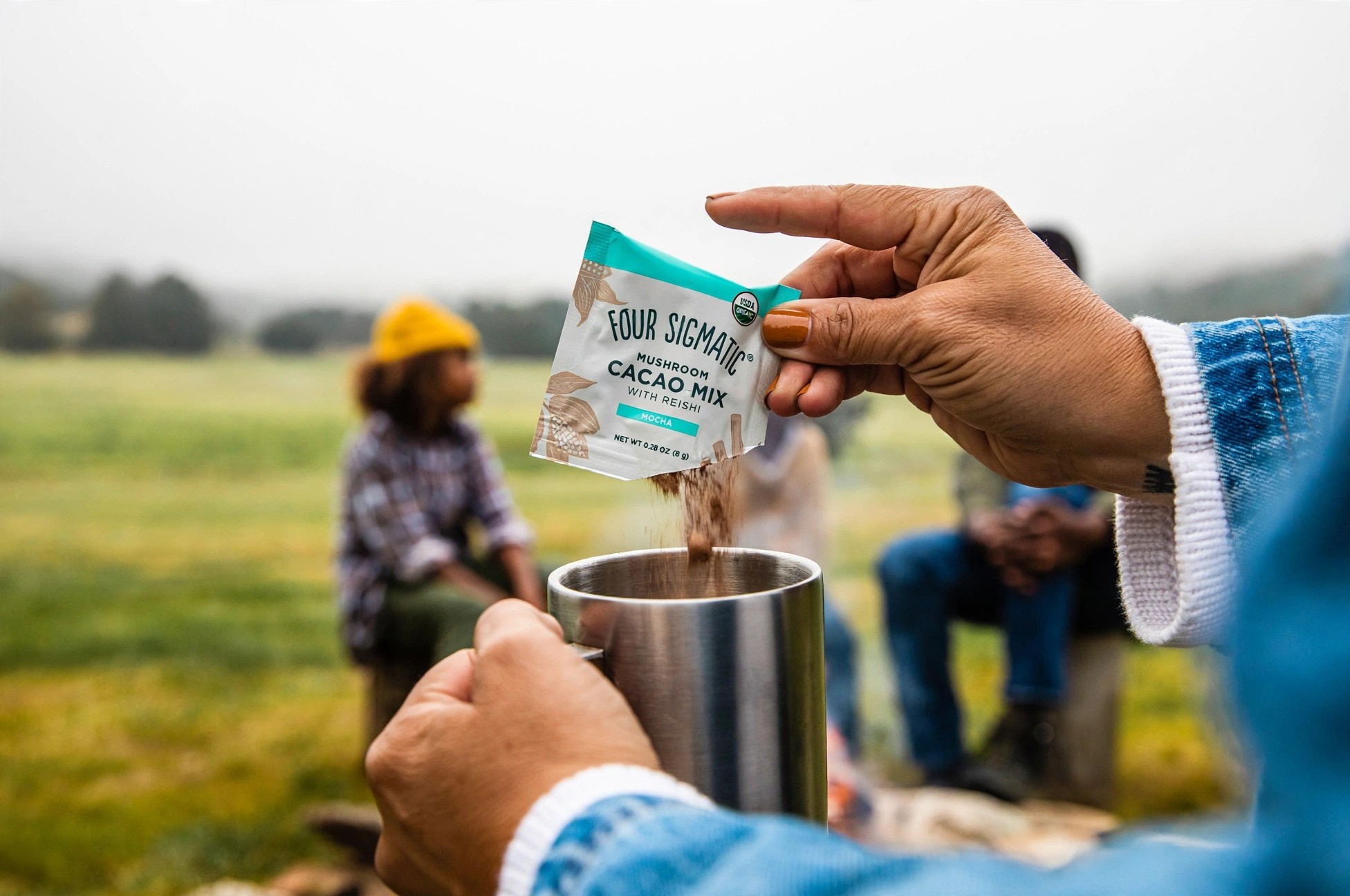
Calm Dark Hot Cocoa pairs unrefined cacao with reishi fungus, offered at 20 dollars for a 1 pack, with 2 pack at 40 dollars and 4 pack at 80 dollars. It suits night time sipping for those who like a water or milk drink. Blend with heated water or milk till smooth and drink warm.


Kristina Patel
Kristina produces the interviews at Root to Bottle: the research, the question lists, the follow-ups. She grew up on her grandmother's turmeric milk and still asks every founder where their plant was grown and who taught them to use it.
More from Kristina Patel →