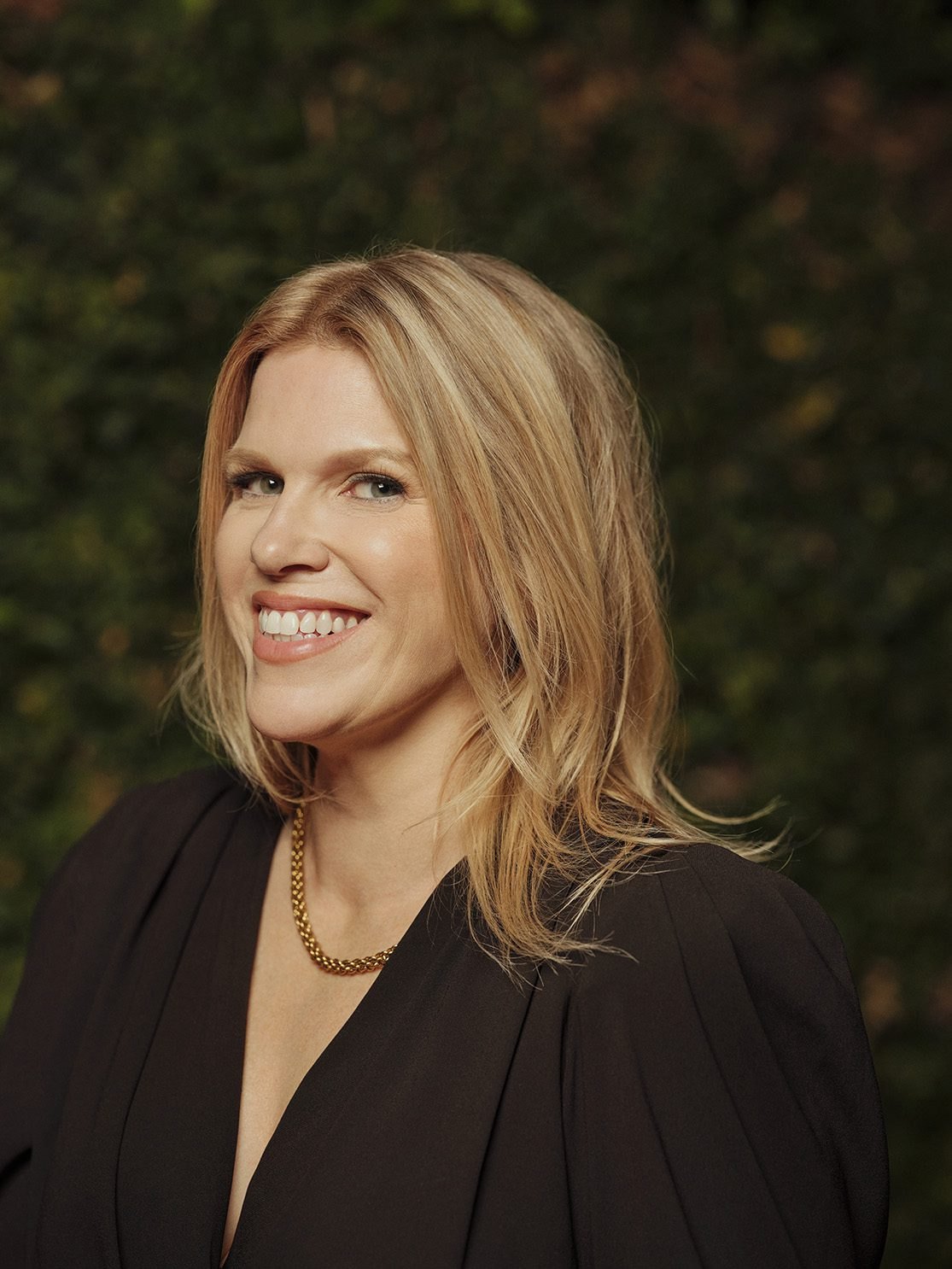
Los Angeles gave Perelel its first shelf and its first questions. For co founders Alex Taylor and Victoria Thain Gioia, the path starts in that city with two pregnancies, two countertops covered in bottles, and a chat at Erewhon while both were nursing. What grew from it was a staged system shaped with physicians.
Taylor began her days at a kitchen counter, lining up bottles. Through trying to conceive, pregnancy and the months after birth, while living with thyroid disease, she ordered vitamins from many shops and arranged them each morning, hoping to fill gaps left by a single prenatal. She felt let down by products and guidance around her.
Thain Gioia began from another jolt. In early 2019 her daughter arrived with a cleft lip, with no usual risk factors and no genetic tie. She had used prenatal vitamins she respected. Then she found that this kind of cleft had been linked with low folic acid, and that 40 to 60 percent of women carry an MTHFR variant that reduces conversion of folic acid to folate, the form the body can use.
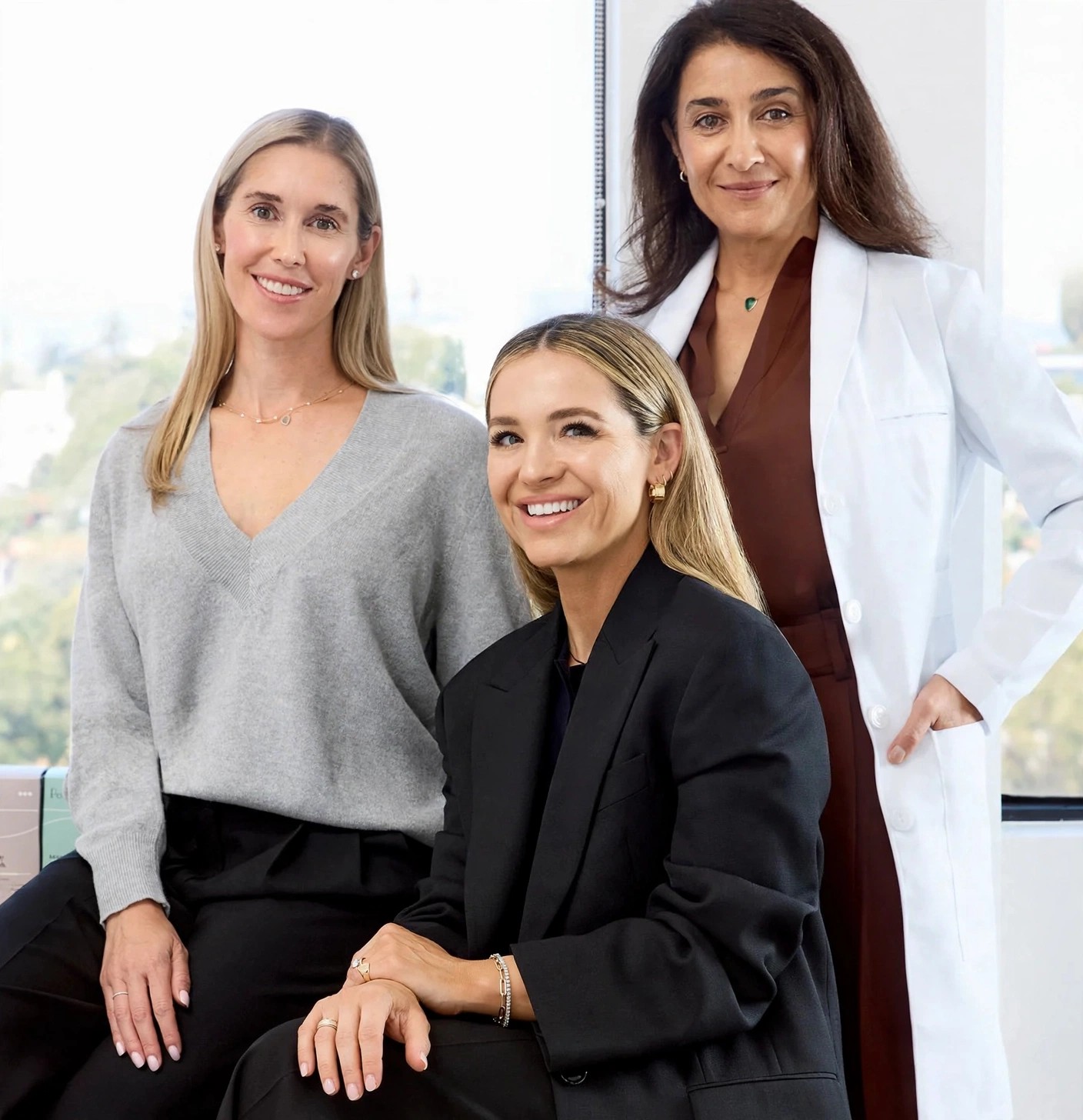
A shared friend listened to both women raising the same concerns and told them, you both are picking my brain about the same things, you need to meet. Their first meeting happened at Erewhon in Los Angeles. Both were nursing at the time. By September 30, 2020, while both pregnant in the pandemic season, they had launched Perelel with Medical Co Founder Dr. Banafsheh Bayati, a working OB/GYN in Los Angeles for more than 25 years, plus a wider Perelel Panel of OB/GYNs, reproductive endocrinologists, dietitians and doulas.
What stands out, and what many overlook, is not only the trimester packs. It is the record keeping behind them. Perelel lists the exact nutrients they need, in the right amounts, at the right time. Root to Bottle asked where each decision comes from, what the label can show, and what stays unclear in a field the founders describe as having essentially no specifications.
You started the brand on September 30, 2020, while both pregnant during the pandemic. What did We launched in September 2020, which was a challenge in and of itself look like day to day?
Alex: September 2020 remains vivid for us. I gave many hours to finding vitamins from many places and arranging pills every morning. While I was moving through postpartum and also caring for thyroid disease, I felt failed by the brands and information available to me. One label promised one thing, the next promised another. Nothing addressed timing. Nothing changed as my needs changed.
I kept wondering, why is there no prenatal vitamin that aligns nutrients with each phase of a woman’s pregnancy. Timing matters in nutrition. Needs during trying to conceive differ from needs in week eight, or week thirty, or six months after birth. A single formula for all asks a woman to guess. I no longer wished to guess. I wanted a routine that listed contents, explained purpose, and gave timing.
Forty to 60 percent of women carry an MTHFR variant that limits folic acid conversion. How did that fact reshape your view after your trusted prenatal?
Victoria: My daughter arrived with a cleft lip with no common risk factors or genetic link. I had followed advice. I had used prenatal vitamins I trusted. Then I found that this kind of cleft had been linked with folic acid deficiency. That gave me pause.
I began studying folate in its methylated form, which the body can use directly, while folic acid is synthetic and needs conversion. About 40 to 60 percent of women carry an MTHFR variant which blocks converting folic acid into folate, the usable form. Folate intake during the first four to seven weeks of pregnancy matters greatly because the neural tube closes and early brain development begins. Many women remain unaware of pregnancy during that span. I kept returning to the label I had trusted. It failed to state which folate form I received, or whether my body could use it.
You arranged pills on the counter every morning while caring for thyroid disease through fertility, pregnancy and postpartum. What was inside that pile, and what did it show you about a one size prenatal?
Alex: That cluster of bottles formed my morning ritual. Through fertility, pregnancy and postpartum, while managing thyroid disease, I gathered vitamins from separate sellers and organized pills daily, seeking to cover gaps in one prenatal. Brands and information around me felt inadequate.
A mutual friend heard both women raising the same questions and said, you both are picking my brain about the same things, you need to meet. They first crossed paths at Erewhon in Los Angeles. Both of them were breastfeeding during that period. As of September 30, 2020, both pregnant in the pandemic, they had launched Perelel with Medical Co Founder Dr. Banafsheh Bayati, a Los Angeles OB/GYN in practice for more than 25 years, plus a broader Perelel Panel of OB/GYNs, reproductive endocrinologists, dietitians and doulas.
You met at Erewhon in Los Angeles in 2019 after a friend said you were raising the same questions. Why did that talk grow into a company?
Victoria: A mutual friend told us, you both are picking my brain about the same things, you need to meet. We were both truly breastfeeding at the time. We sat at Erewhon and traded notes. Alex brought her arranged pills. I brought my folate questions. We saw we were raising one concern from two angles.
Alex: We found essentially no regulation, no specifications around ingredients, and little guidance on prenatal contents. The absence of regulation is startling, there is basically none. We had no wish to become the next Instagram brand. We wanted physicians to shape the formula. So we invited Dr. We welcomed Banafsheh Bayati as our Medical Co Founder. She has served as an OB/GYN in Los Angeles for over 25 years. Then we formed the Perelel Panel with Drs. Andy Huang, Brian Levine, Amber Samuel and dietitians, doulas and practitioners, so every phase received clinical input.
Folate in food is found in leafy greens and legumes. How do you carry that source logic into a capsule without synthetic folic acid?
Victoria: Our view stays simple. We favor methylated folate over synthetic folic acid. Folate in meals comes from leafy greens and legumes. Material for capsules is created through synthesis and fermentation, then dried, milled and checked for identity and strength. We select the methylated form since the body can use it directly.
Alex: What we can track and display is the finished path. The vendor supplies a certificate of analysis. An independent lab checks the lot. The label names form and dose. What we cannot yet list for readers is the farm or fermentation vessel behind every lot, because vendors rotate and lots turn over. I will state plainly where we hold strength. Form, dose and testing have records. Field level source for each nutrient stays unclear. What fuller proof needs is lot level release, grower names and extract ratios where botanicals appear, printed or linked from the pack.
Folate intake during the first four to seven weeks of pregnancy is crucial because the neural tube closes.
Alex Taylor and Victoria Thain Gioia
Your main system shifts from Conception Support Pack to trimester packs to Mom Multi Support Pack. What shifts in the formula, and why?
Alex: The idea is exact nutrients they need, in the right amounts, at the right time. Conception Support Pack anchors trying to conceive. The 1st Trimester Prenatal Pack keeps attention on folate for neural tube and early brain development. Later packs adjust minerals as blood volume rises and bones harden, and iron needs shift.
Victoria: Mom Multi Support Pack continues care up to five years post pregnancy, which is actually how long the postpartum period technically lasts in our framing. Many women halt a prenatal after birth. We created a routine for the fourth trimester and motherhood, when sleep runs short and meals grow irregular. Each pack is a daily routine, not one tablet. The label records what altered and by how much. If a shopper reads the Supplement Facts panel across phases, she can follow the reasoning. That choice is deliberate.
Perelel reports it sold 67 million capsules and expanded to 21 SKUs by 2023. How do you hold dose and quality stable at that scale?
Alex: Growth tests records. By 2023 we had sold 67 million capsules and expanded to 21 SKUs. Every SKU carries its formula, its vendors, its testing. Doctor recommended doses hold little weight without confirmation.
Victoria: Our way is formulated by Medical Co Founder Dr. Banafsheh Bayati with the Perelel Panel using bioavailable ingredients in doctor recommended doses, arranged as daily packs. Bioavailable in this context means forms the body can absorb, like methylated folate rather than folic acid. Standardised, where relevant, means an extract is tuned to a fixed level of a marker compound. We depend on certificates of analysis and independent labs for heavy metals, microbes and strength. Where terms like pure show in marketing, we view them as claims needing paperwork. The paperwork is the test result for that lot.
In 2024 you promised 10 million dollars to support womens health research and acquired LOOM. Why invest funds in research when you sell vitamins?
Victoria: Women’s health ranks among the most under funded and under researched areas of medicine. We experienced it as patients. We heard it from physicians. A vitamin alone cannot fill that void.
Alex: In 2024 we pledged 10 million dollars to support women’s health research and started a national campaign and petition. That same year we acquired LOOM, which focuses on education. While fundraising, many called women’s health too niche and motherhood too brief a window. That reply felt worst. Research funding and education belong to sourcing too. They reveal where knowledge originates. We seek healthy, supported women, and that begins with stronger data, not larger promises.
You lined up pills on the counter every morning while navigating thyroid disease through fertility, pregnancy and postpartum. What did that pile teach you about timing?
Alex: Investors viewed a slim window. Mothers viewed years. Conception, pregnancy, postpartum, motherhood, perimenopause. That is hardly niche. That is a household. Our buyer selects for herself and often keeps a partner, a parent, a child in mind. She holds a small shelf for years.
Victoria: That shelf tells a botanical story too. Folate from leafy greens and legumes has lived in food traditions long before capsules, and prenatal greens still appear in European folk herbalism and other foodways as nourishment for early pregnancy. Modern work looks different. Trials on folate status and neural tube development support intake before and during early gestation, though dose, form and timing vary across studies. A capsule made by synthesis and fermentation may help maintain folate status when diet falls short, yet it does not replace meals or medical care. Anyone pregnant, nursing, taking thyroid medicine or with MTHFR questions should speak with a doctor or pharmacist about form and dose.
Closing note from the desk
What remains is a Los Angeles meeting over nursing infants and scattered labels. That plain exchange shaped panel built formulas, batch records and lot checks. Perelel reads more clearly than many prenatals because staged packs require it to state what moved and when.
The label set out to swap a single generic prenatal for targeted, doctor built nutrition that follows women through each hormonal stage. On sourcing, it documents form, dose and testing with care. Farm level roots are the next chapter, and the founders acknowledge that limit directly.
Product spotlight
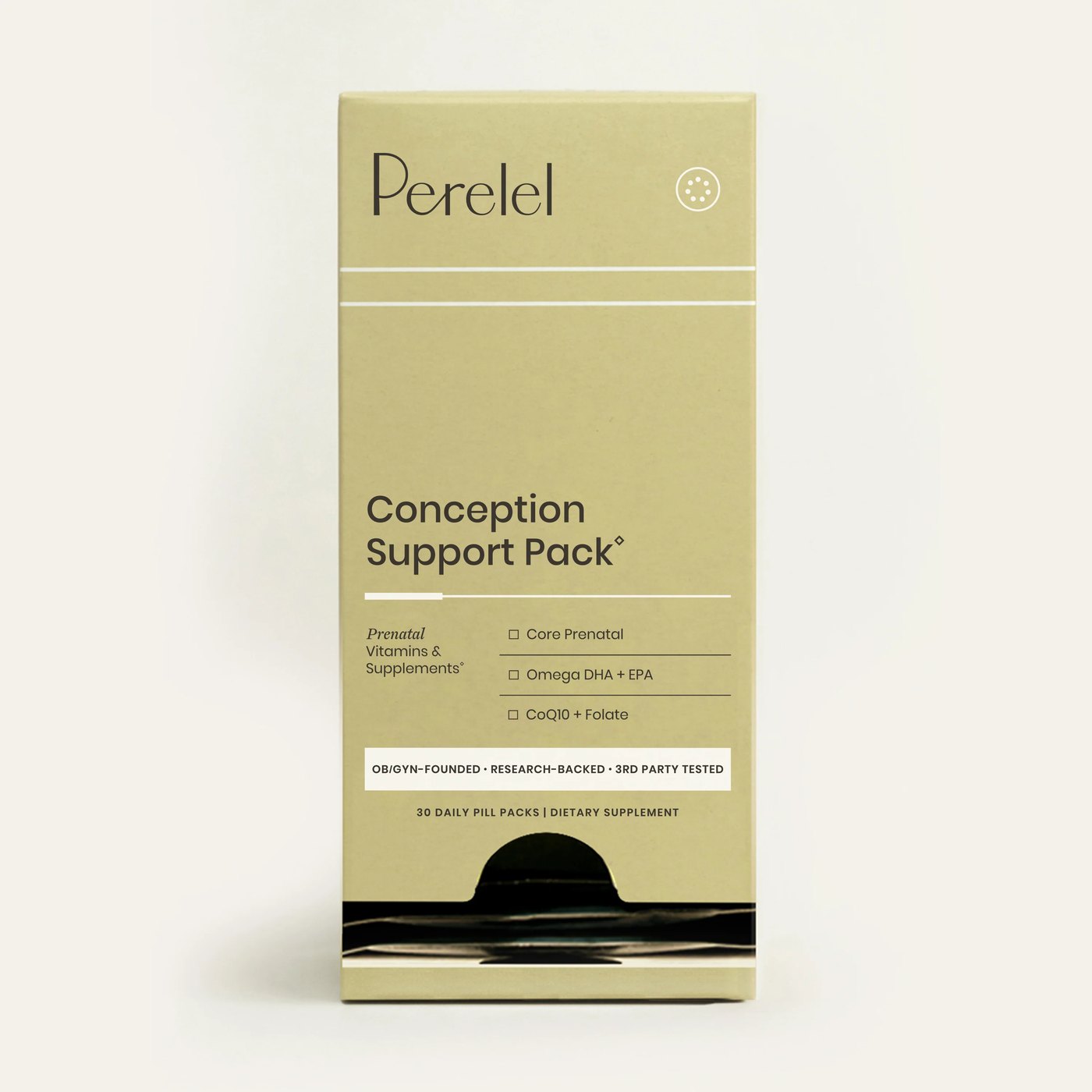
Conception Support Pack, 58.77 dollars. A daily sachet routine for trying to conceive, created with obstetricians and reproductive endocrinologists. The panel lists each nutrient form and dose for the preconception span. Use the daily sachet with food and water as directed, and address lot and testing queries to the brand.
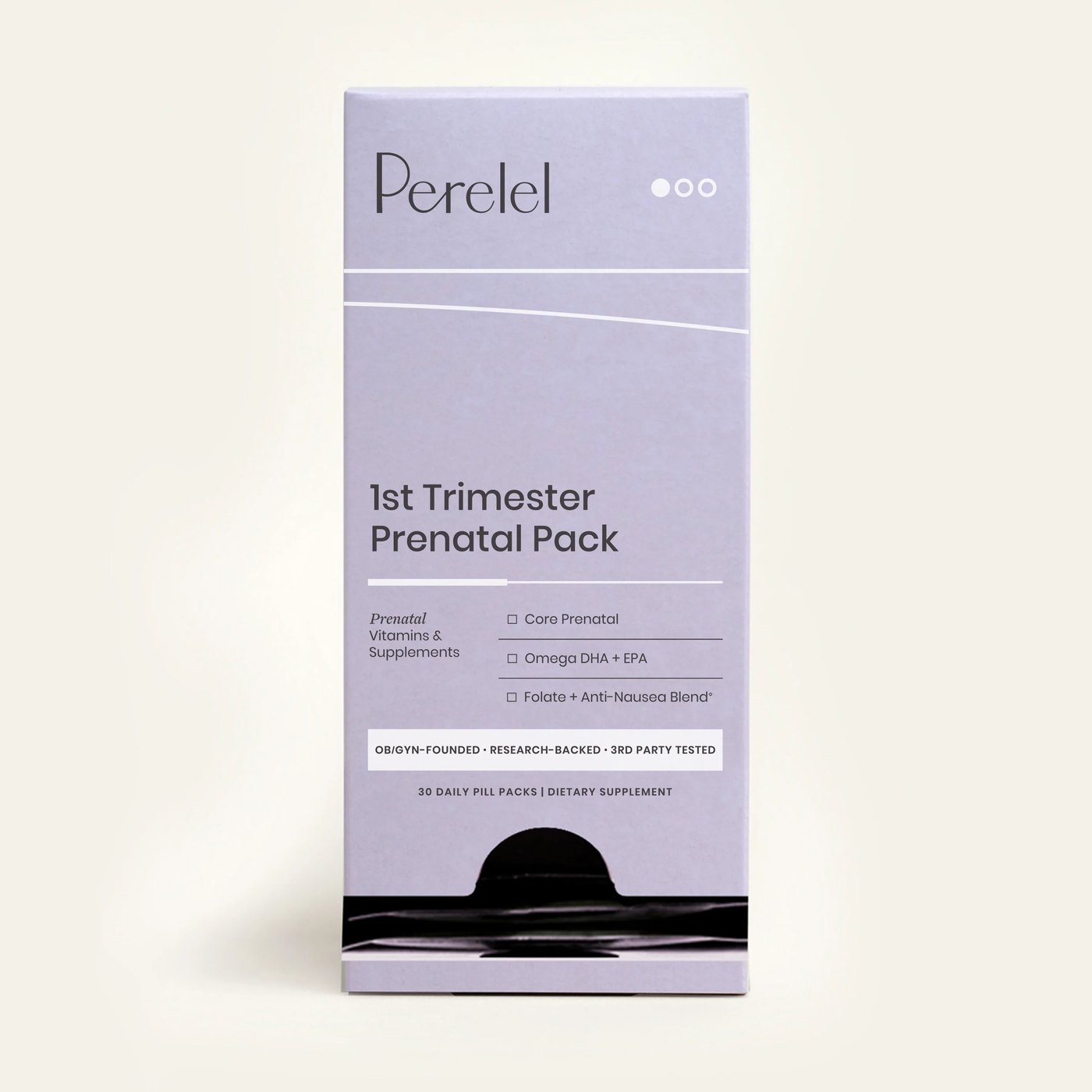
1st Trimester Prenatal Pack, priced at 58.77 dollars. A daily pack covering weeks 1 to 13, with attention to folate for the span when the neural tube closes and early brain development begins. Separate capsules in the pack support stability and clarity. Use daily as directed and review the Supplement Facts panel for form and dose.

Kristina Patel
Kristina produces the interviews at Root to Bottle: the research, the question lists, the follow-ups. She grew up on her grandmother's turmeric milk and still asks every founder where their plant was grown and who taught them to use it.
More from Kristina Patel →