
A kitchen counter in Brooklyn, turmeric dust on fingertips, pouches sealed by hand after full time workdays ended. That is the start point for Golde and for founder Trinity Mouzon Wofford. From that small flat came a caffeine free turmeric drink, then teas and cocoa blends, now prepared in larger batches with a formulator and sold around the country.
Wofford and her partner Issey Kobori began the company in 2017 when both were 23 and employed elsewhere. They created the labels themselves, blended early runs at home, and hoped for two thousand dollars in monthly sales. By year five the business was based in upstate New York and employed a team of nine.
Wofford spent her childhood in upstate New York around what she describes as crunchy granola wellness, then entered pre med study at NYU. Her mother, who lives with severe rheumatoid arthritis, once benefited from a holistic doctor Wofford admired and later stopped attending because the cost was too high. That memory shapes Golde. The aim is cafe style drinks and pantry blends that feel easy, welcoming and playful, with leading products priced near a dollar a day for each serving.
What Root to Bottle hears in that story is a remedy path made plain. Imagine concepts at home, trial pours in the kitchen, then a professional formulator for safety and flavor. Buy quality ingredients from suppliers and choose stock packs to keep leading items at thirty five dollars or below. It is a root to bottle account built less around one field than around sourcing choices, testing by lot, and a founder willing to name what she can trace and what she cannot yet trace.
In 2017 you and Issey Kobori hand mixed Original Turmeric Latte Blend on a Brooklyn counter while aiming for two thousand dollars a month. What did that manual work reveal about powder behavior, and when did outside help become necessary?
That work grew from how I shopped for wellness and felt pulled between the crunchy granola goods I knew from childhood in upstate New York and a newer prestige shelf that sat beyond my budget. I studied pre med at NYU, I bought from co ops when funds allowed, and I also noticed lovely brands I could not purchase. When I formed the company, I understood very little. There is value in simply trying ideas to learn what holds. Issey and I had dated since high school, we were 23, we held full time posts, and we returned home to blend and seal. We hoped to add our own voice to the category and to feel vivid and warm and welcoming. We simply proceeded and left all funds in the company, and just hoped it might grow enough to meet our rent.
In 2016 you described feeling caught between childhood crunchy granola wellness and prestige wellness that felt out of reach. What did that divide feel like in ordinary shopping days?
Manual blending showed us the fundamentals. Turmeric colors all it touches, ground spices cake with trace dampness, and flavor shifts with each minor change in proportion. We worked at our counter, measuring and closing packs, noticing how powder compacts and how a label must remain legible in a humid kitchen. It keeps returning to the shopper: where she stands in her habit and what she requires. And in what way we can join her in that place. That required a mix that blended into warm milk or water with no extended method. We sought support once volume exceeded what two people could fill overnight. We still develop ideas internally and refine them through what we call kitchen magic, then we engage a professional formulator for efficacy, safety and deliciousness. That stage brought steady fill weight, improved flow and a stable method, batch after batch.

Your mother improved under a holistic doctor for severe rheumatoid arthritis, then stopped because visits were unaffordable. How does that memory guide pricing near one dollar a day?
My mother carries severe rheumatoid arthritis and she felt better under care from a holistic doctor I hoped to resemble during pre med. Then she ended treatment because she lacked the money to continue. That remained with me. It should belong to all people. It must grow more accessible, more inclusive, and it must feel pleasant. Many of our leading products sit near one dollar a day for each serving. We prefer to design toward thirty five dollars or below rather than set luxury prices. We purchase quality ingredients from suppliers and we economize where taste is unaffected, such as stock packaging, to hold costs low. I hoped to create something for every household. That never meant inexpensive in quality. It means deliberate. Each cent serves a purpose, in the ingredient or in analysis or in the pack that protects powder from moisture.
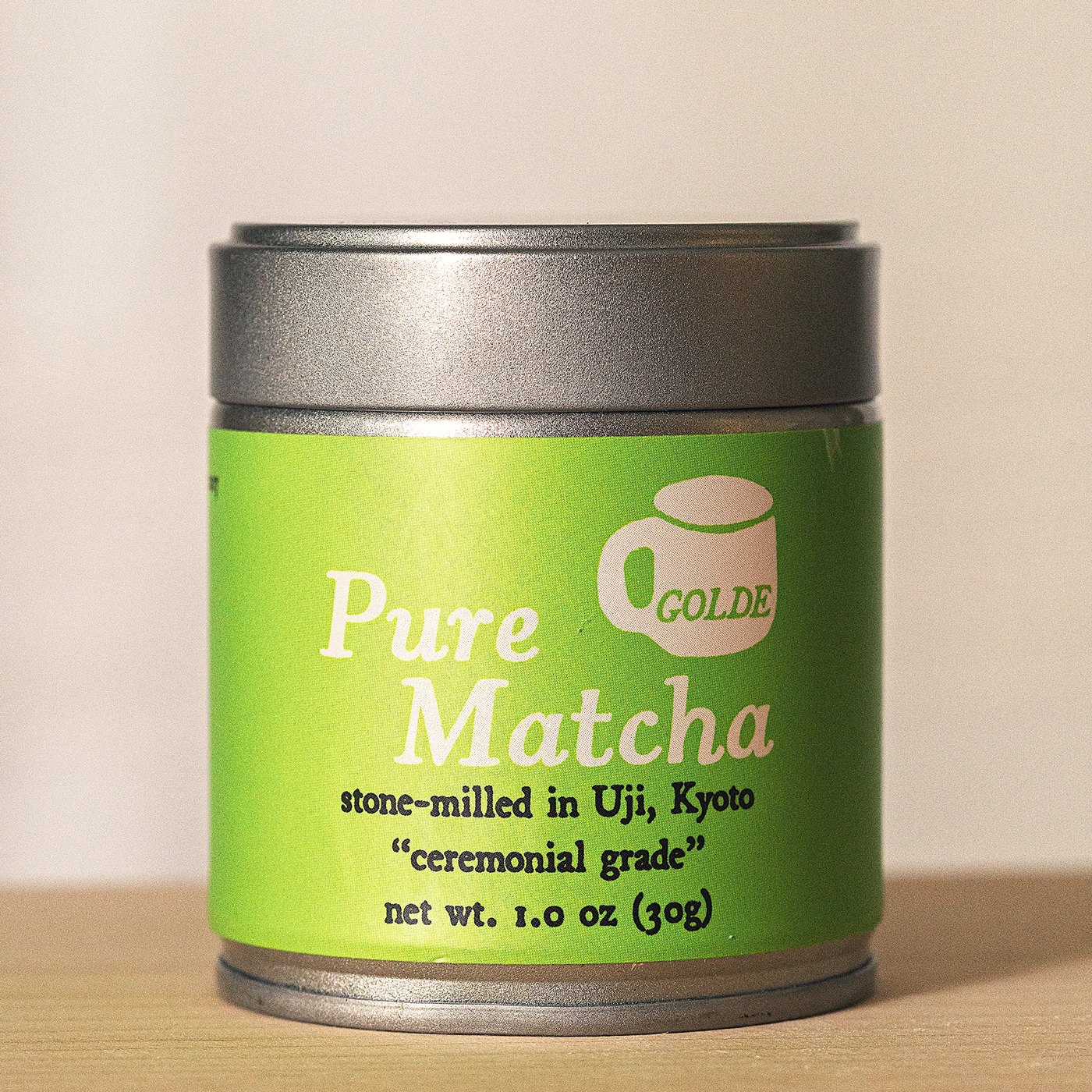
Your bestseller Pure Matcha is one hundred percent pure shade grown matcha in a thirty gram tin for thirty nine dollars. What does shade grown indicate here, and how does leaf turn into tin powder?
I can explain our approach. We begin with an internal concept, turmeric with warming spices that yields a caffeine free cup with warm milk or water. Then we obtain each part through vendors who supply specifications and records. Turmeric rhizome is harvested, dried and ground to powder, spices are ground and combined, and the mixture follows a fixed formula so every batch tastes alike. The finished powder is filled, closed and marked by lot for traceability. What the pouch displays follows Supplement Facts panel thinking for a food mix: what it holds, in sequence, and directions for preparation. Where I stay cautious is provenance. We can identify our vendors and share records, but we do not control the farms. Growing site and year may shift with availability. So I will acknowledge what is documented and identify what remains unknown, and describe what fuller proof would require.
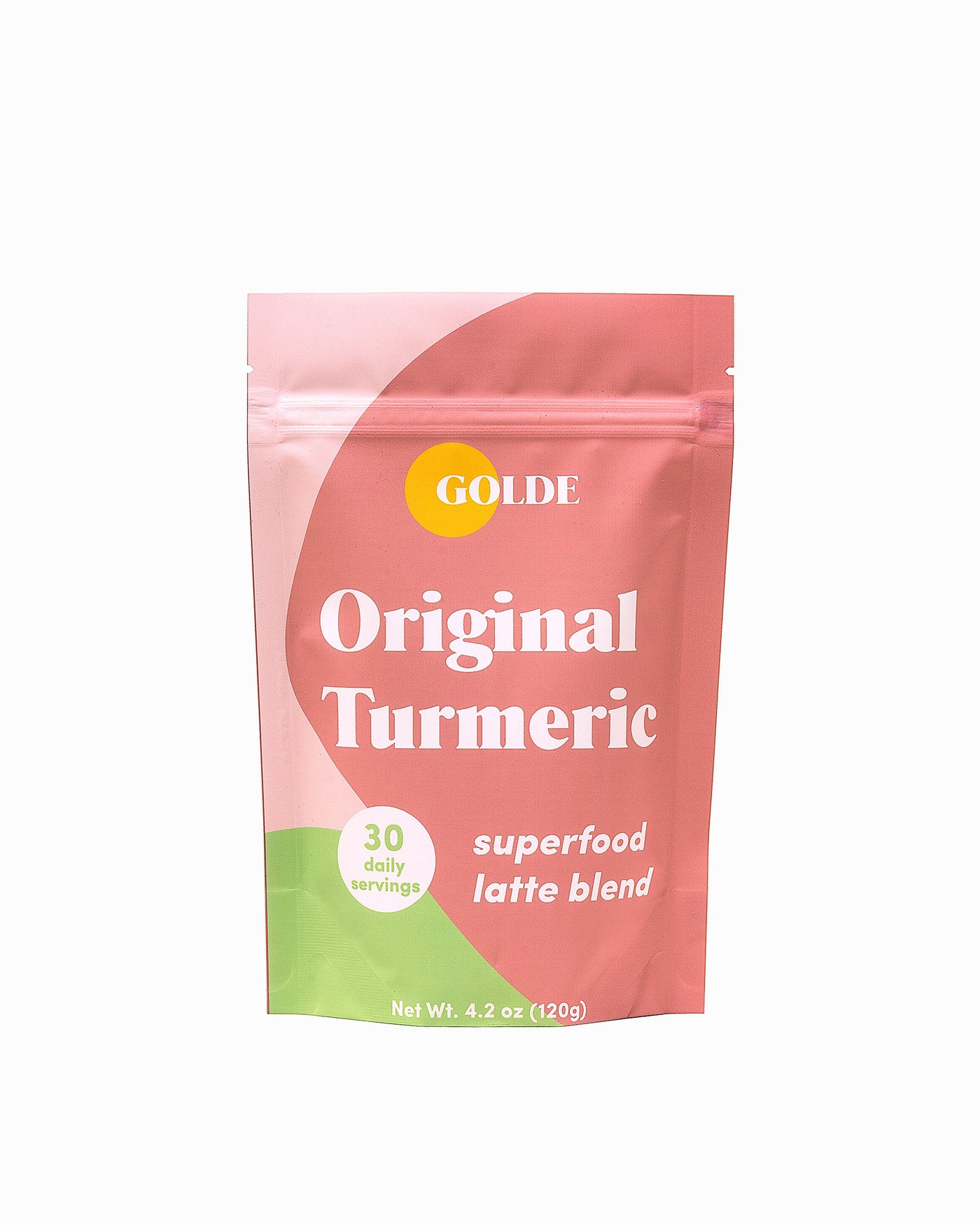
The pouch for Original Turmeric Latte Blend names six essential superfoods in a warming spiced latte for thirty two dollars. Can you trace that pouch back toward its plant sources?
Pure Matcha remains one hundred percent pure matcha grown in shade. Shade grown here means tea bushes stay covered for weeks ahead of picking, which influences color and taste, then leaves are gathered, steamed, dried and stone ground to fine powder. That explains why method matters. You whisk it with water or steamed milk for warm or iced drinks, taken around nine in the morning or later in the day. It holds caffeine, so amount and timing count. We pack thirty grams in the tin, one hundred grams in the pouch, and we also offer a three pack of tins. As a shopper, study the other ingredients line. Ours lists only matcha. Then write down the lot code and ask for the certificate of analysis linked to that lot. That paper should state which assays were performed and by which laboratory. That moves you beyond front panel language toward what the label substantiates.
My mother carries severe rheumatoid arthritis and she felt better under care from a holistic doctor I hoped to resemble during pre med.
Trinity Mouzon Wofford
You develop in the kitchen and then pass work to a professional formulator. What occurs during that transfer, and which assays must pass before approval?
We supply the concept and desired flavor. The formulator supplies food science. They review proportions, dispersibility in warm milk and water, steadiness across shelf life, and whether flavor persists from opening scoop to final scoop. Then we fix a specification: ingredient identities, extract ratios where applicable, particle size for texture, moisture bounds, fill weight. Each manufacturing lot receives a certificate of analysis from the producer, and we commission third party lab testing to confirm identity and to screen for heavy metals and microbes. Heavy metals deserve attention because roots and leaves absorb minerals from earth, and both turmeric and matcha grow in soil. Powders and teas are our formats rather than capsules, yet the same rigor fits: verify inputs, verify outputs, retain records by lot. If any value falls outside specification, that lot stays back. That file supports the statement.
Cacao Turmeric Latte Blend combines cacao and turmeric for thirty two dollars and Bon Appetit named it a favorite coffee alternative. Why unite those plants, and what deserves attention on its label?
We joined calming cacao with warming turmeric because shoppers already kept a mug ritual and we wished to meet that habit. Blend it into warm milk or into coffee if coffee remains part of your day. It is a spiced cacao instant latte, neither sharply bitter nor overly sweet. We are discussing support for the habit you already keep, not urging someone to suddenly store 50 different powders that they cannot even pronounce in their cabinets. Read it the same way that we read it. Front wording shares the idea. The reverse shares the facts. Seek complete ingredient names, serving size and servings per container, and the other ingredients line. Observe whether flavors or sweeteners appear and at what level. Then find the lot code and ask which testing applied to that lot. I favor plain labels because my shopper buys for a family and maintains a modest shelf for years. She wonders whether the costly choice proved worthwhile, and label plus lot records should resolve that.
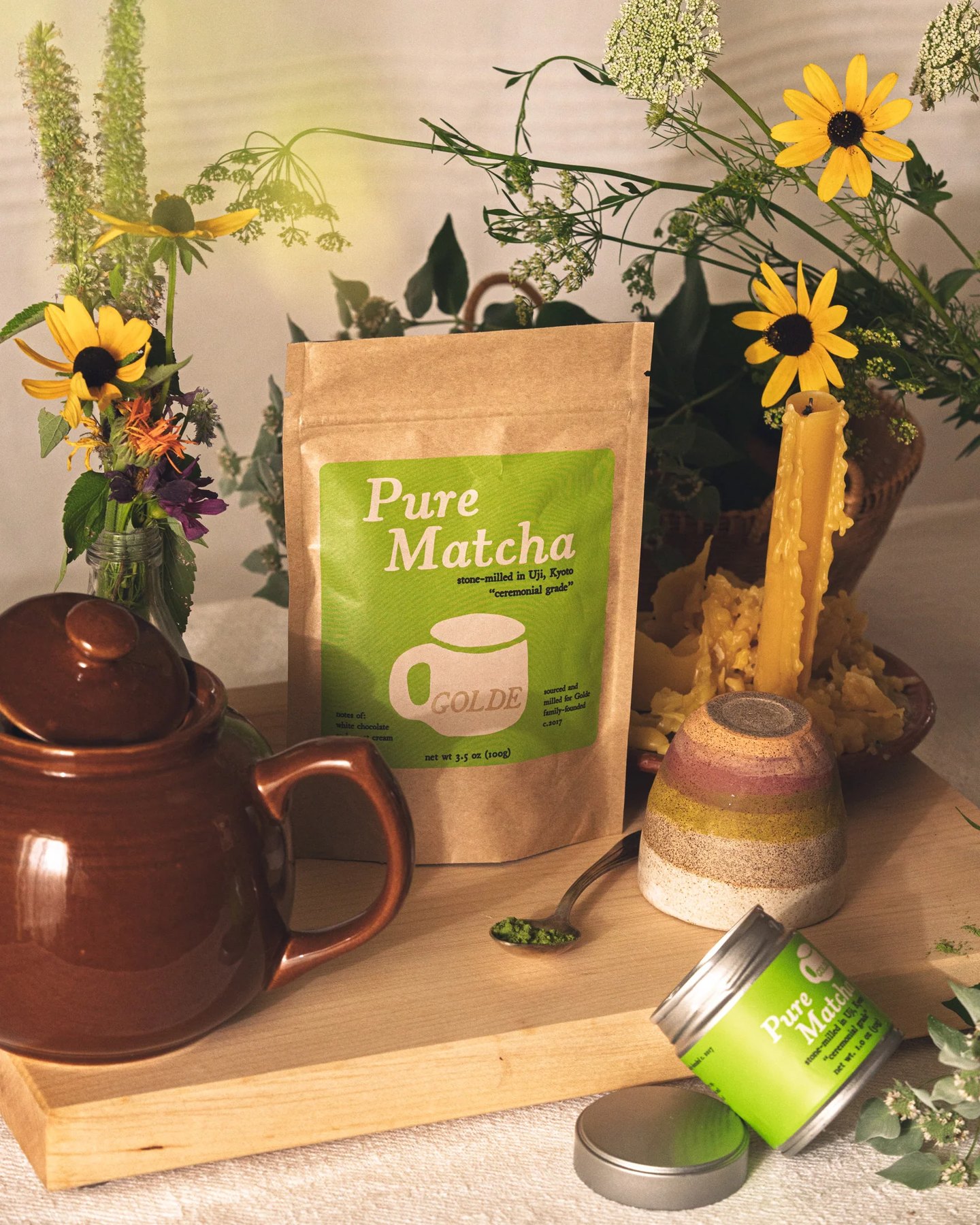
Golde moved from Brooklyn to the Hudson Valley in upstate New York, a region known for farms and co ops, and your imagery shows a home kitchen with matcha, a cookbook and a garden close by. What happens in that place and what happens in other places.
Upstate is our home at present. It is the place where I was raised, and the Hudson Valley holds farms and co ops I recognize well. Our images reflect that existence. A founder led home kitchen, preparing matcha or a turmeric drink by whisk, cookbook and garden close at hand. What occurs there is ideas and habitual use. We imagine, we cook, we trial pours and whisks, we shoot in natural light. What does not occur there is volume production. Powders are ground, combined and sealed in food plants able to manage humidity, sieve, confirm fill weight and keep lot files. The garden yields food for our meals. It does not feed the product range. I state this directly because provenance requires naming where each action occurs and where it does not. If we ever reserved an acre or a harvest, we would publish the grower, the harvest date and the lot that received it.
In 2019 you entered Sephora as the youngest Black woman to launch there, in 2021 you entered Target in hundreds of stores, and in June 2020 sales exceeded all of 2019 after support for Black owned brands. How did wider retail affect sourcing and records?
Wider retail altered volume and rigor. Sephora in 2019 introduced us to shoppers nationwide. In 2021 Target placed us in hundreds of doors. June 2020 brought an unplanned surge, following our gift drive for the NAACP Legal Defense Fund and support for Black owned brands, when June revenue surpassed the full previous year. Bigger orders required bigger ingredient lots, additional certificates of analysis for review, stricter targets for taste and color, and closer planning for stock packaging lead times. I felt it was my duty to share insights from my story as I learned to build and scale Golde. We remained a small but mighty team, nine by our fifth anniversary. That scale demands focus. Fewer blends, executed well, with files kept by lot. We marked that fifth anniversary in March 2022 with a Super Greens duo with Diaspora Co for Women’s History Month, which shows growth through collaboration rather than through adding fifty powders.
You once said you were clear you did not wish to write the Golde cookbook, then you published Eating at Home. What shifted, and how does the book relate to the blends?
From the start I was always very clear that I did not want to write the Golde cookbook. I resisted a volume that merely instructed you to stir powder into each dish. Then daily cooking in those formative years showed me another point. Simple food of good quality is health food, and the ingredients you cook with matter as much as the gentleness you bring to the process. Eating at Home, thirty three dollars, concerns that table: plain meals, quiet rituals, lunch breaks honored. The blends live within that pattern. A morning matcha whisked with water or with steamed milk. A turmeric drink blended with warm milk at night. Kyoto Hojicha, our toasted green tea powder that tastes chocolatey and is naturally low in caffeine, for cold late afternoons. Shroom Shield, creamy cocoa with functional mushrooms, keeps in the same cupboard. Sip your ritual is more than a phrase to me. It describes how a household truly finishes a tin to the last spoon, then purchases again.
Closing note from the desk
What remains with us is a price list treated as stewardship. Wofford saw early that useful care can stop when funds run short, so she held Golde close to a dollar a day and thirty five dollars or less, using stock packs and a short range. Here the lot file matters more than adjectives, lab assays and lot codes ahead of front label claims.
Golde aims to keep wellness easy, approachable and fun, and to keep it for everybody. Followed to source, that points to a Brooklyn counter, a formulator bench, earth grown crops dried and ground to powder, and a table in upstate New York where each tin is truly used.
Product spotlight
Pure Matcha remains the leading bestseller, thirty nine dollars for a thirty gram tin and sixty four dollars for a one hundred gram pouch. It holds only shade grown matcha powder, prepared with water or steamed milk as warm or iced lattes. Take a modest amount daily in morning or afternoon with care for caffeine, and keep it sealed in a dry place.
Original Turmeric Latte Blend is the opening product from 2017, thirty two dollars, made from six essential superfoods as a warming spiced latte. Its label links it to skin glow, gut health and immunity as brand language, not as assurance of outcome. Whisk or stir with warm milk or water for a caffeine free cup, and retain the pouch sealed with its lot code visible.

Kristina Patel
Kristina produces the interviews at Root to Bottle: the research, the question lists, the follow-ups. She grew up on her grandmother's turmeric milk and still asks every founder where their plant was grown and who taught them to use it.
More from Kristina Patel →