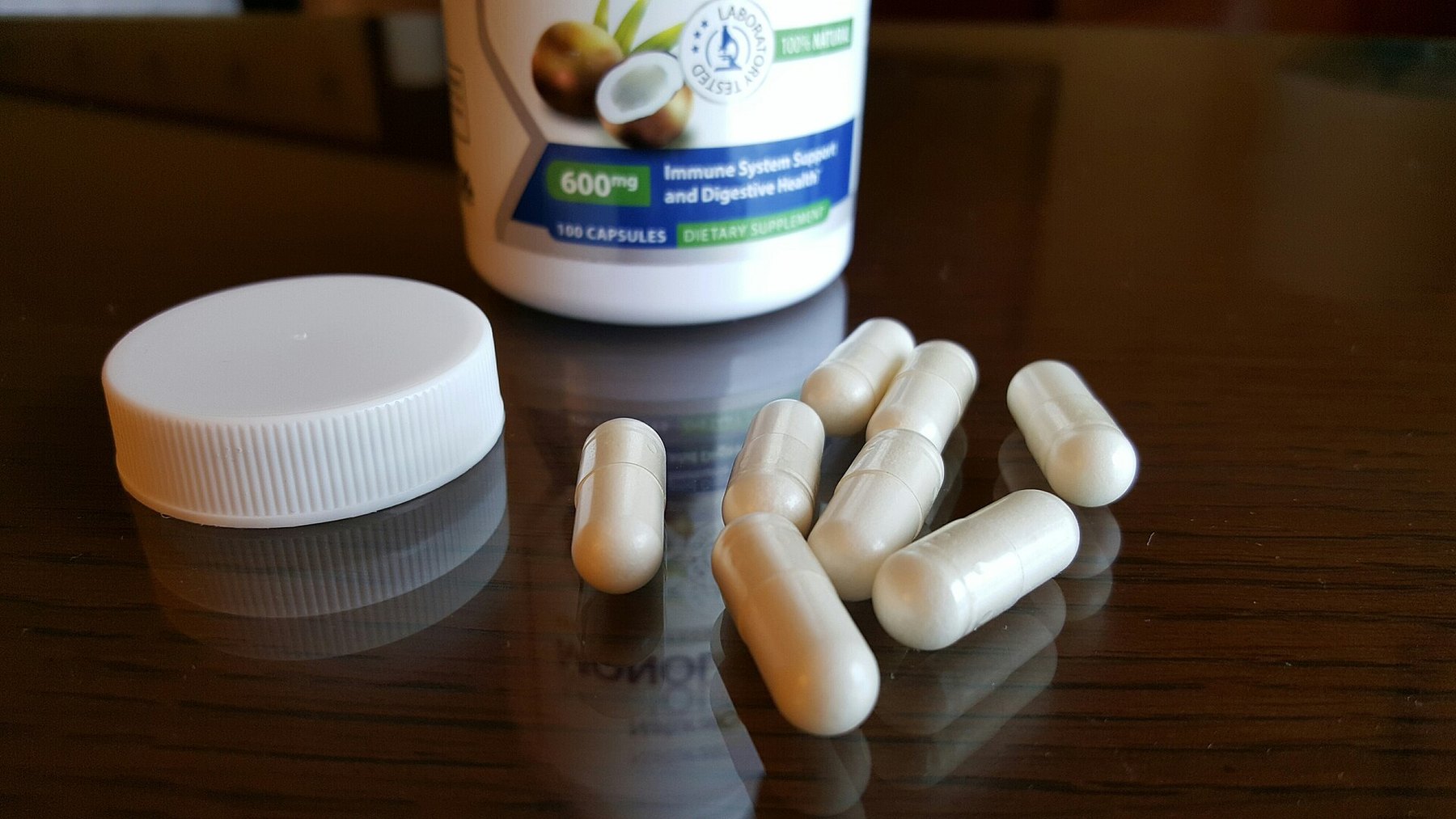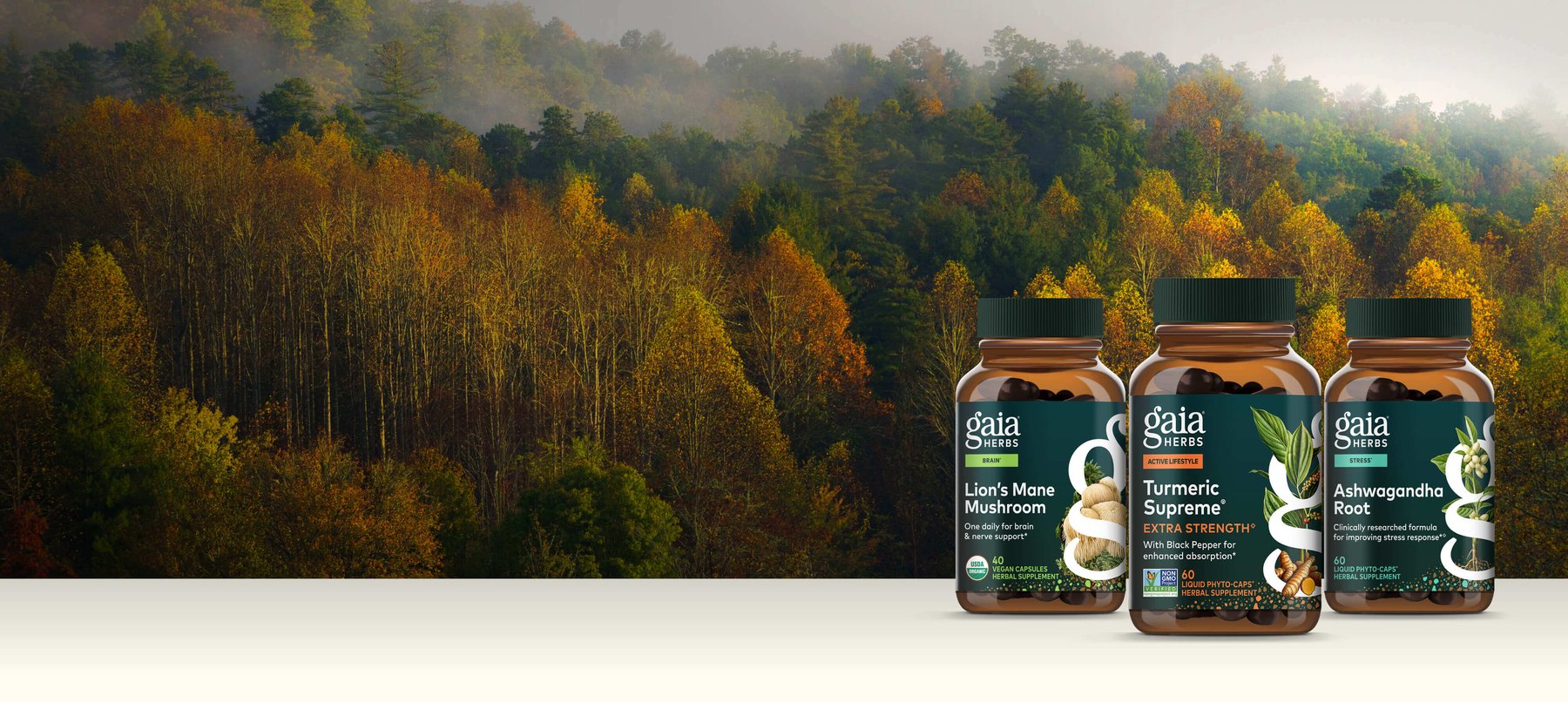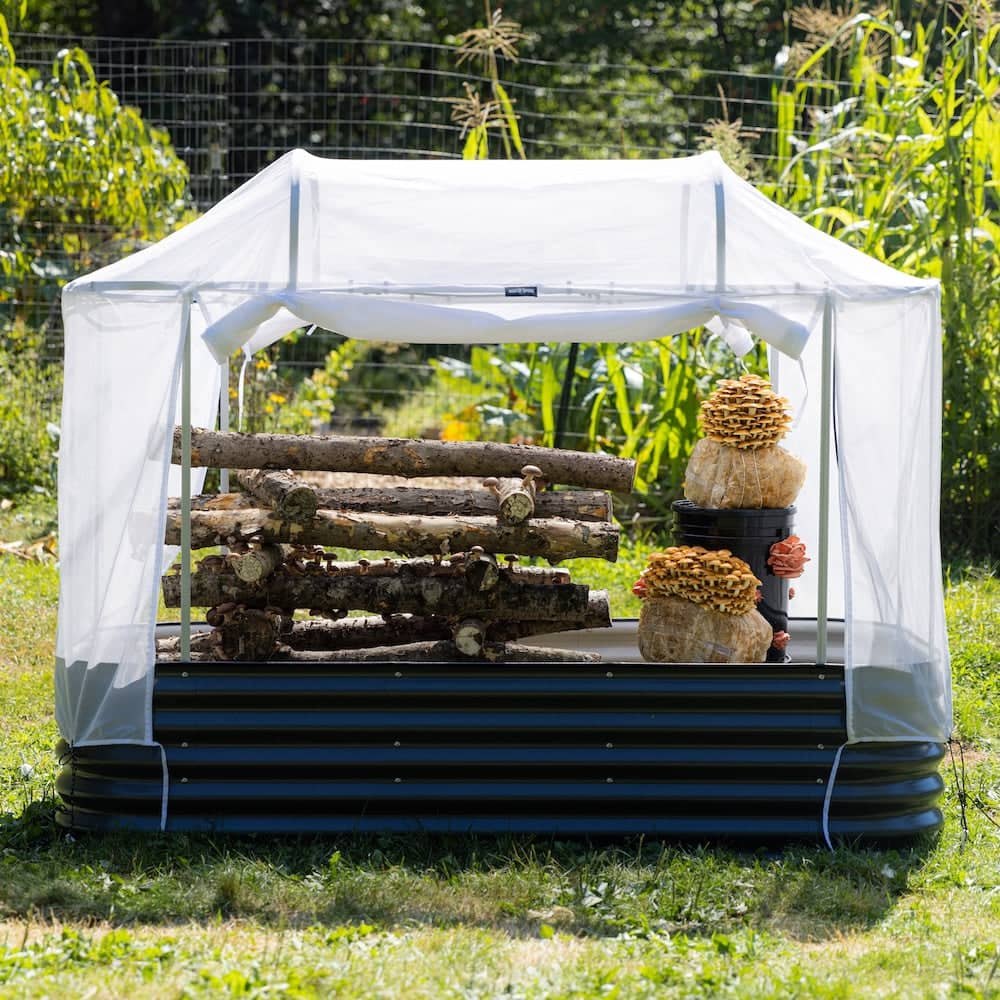
Two supply routes fill most mushroom jars sold in the United States. One route finishes with a picked cap and stem that is extracted. The other finishes with grain permeated by fungus, dried and ground intact.
In Fujian and Zhejiang, where mushroom counties cluster among low hills, farmers fill sawdust blocks, rest them in dim growing houses, and watch caps break through the top. At present nearly all, 93 percent, of the world’s mushrooms are grown in China, according to Nammex COO Bill Chioffi. He said their skill with growing mushrooms and handling the harvest stands beyond compare. Workers gather those fruiting bodies by hand, cut them, dry the slices, and forward them for extraction. That gathered crop forms the base of one kind of capsule.
How harvest and substrate part ways
Functional mushroom supplements generally sort into fruiting body extracts prepared from mushrooms alone and mycelium on grain extracts prepared from fungus raised on cereals. The split starts with the growing medium and finishes with what reaches the grinder.
Fruiting body extracts come from the seen cap and stem raised on materials such as sawdust blocks, then brought to fruit, gathered and extracted. The block or log remains where it stood. Only the mushroom proceeds to hot water or alcohol extraction, followed by spray drying and milling.
Mycelium on grain starts with a sterilized cereal base such as rice, oats or sorghum which mycelium spreads through until it forms a firm mass. The fungus sends pale threads across the kernels until the bag sets solid. Then the whole myceliated grain mass is dried and milled into powder as mycelium plus grain substrate together. No fraction is removed. The cereal that nourished the fungus stays inside the ingredient.
Under the U.S. Dietary Supplement Health and Education Act, supplements follow a food model with mostly post market review and no proof of efficacy is asked under U.S. law. The FDA estimates that over 85,000 dietary supplement products are sold in the United States. Across that crowded shelf, a jar marked mushroom may contain either route, or a mixture, because the law does not require the label to state fruiting body, mycelium, substrate, or extraction ratio. Shoppers who study the Supplement Facts panel often see the word mushroom and little more.
Vendors state the result in clear terms. Jeff Chilton of Nammex said of mycelium on grain products that “buyers are mostly getting grain starch, not mushroom.” Defenders of mycelium reply that fermented grain substrate is not only filler and may create or make bioavailable new compounds, similar to fermented foods. Both positions lead toward the same requirement, which is an assay able to separate fungus from cereal.
What assays of fungal fibre disclose
Overall polysaccharide counts cannot make that distinction. Starch also belongs to the polysaccharides, so an assay that totals all polysaccharides counts cereal starch together with fungal compounds. Beta glucan tests look at fungal cell wall compounds instead of total polysaccharides, and that shows why the difference shapes what lands in the jar.
Their wisdom in growing and handling mushrooms is unmatched.
Extracted mushroom fruiting bodies hold on average 20 to 30 percent beta glucans. Mycelium raised on grain usually gives only around 5 percent or less beta glucans, against 30 percent or more in true mushrooms. One analysis found mycelium on grain supplements at 1 to 5 percent beta glucan and 35 to 40 percent starch. The pattern holds lot after lot. Where cereal stays in the powder, starch climbs and beta glucan drops.
Architecture accounts for part of the distance. Mushroom beta glucans usually bear branched 1,3 and 1,6 linkages, while oat beta glucans bear linear 1,3 and 1,4 linkages. The two act differently in the lab, and the assay can distinguish them when it is configured for the task. Mushrooms hold carbohydrates as glycogen and carry virtually 0 percent starch. Grain stores carbohydrate as starch. Alpha glucan results track starch results, with high alpha glucan and starch in mycelium fermented grain goods and low to no starch in true mushroom goods. Elevated alpha glucan thus signals leftover substrate, not mushroom richness.
The Nammex lab uses the Megazyme K YBGL kit to confirm beta glucan content and runs the AOAC starch test alongside. The combination counts. Beta glucan by itself indicates fungal matter. Starch next to it indicates cereal carryover. Nammex asks for 1 to 1 extracts at no less than 30 mg per g for Lions Mane, 35 mg per g for Reishi, 45 mg per g for Turkey Tail, and 8 mg per g for Chaga and Cordyceps. These numbers are specs for extract powders at the ingredient stage, not pledges about finished capsules, yet they show buyers what a tested fruiting body extract reads as on paper.
Industry voices say beta glucan testing alone falls short and call for assays of species markers like triterpenoids, ergosterol and ergothioneine. Fruiting bodies make secondary metabolites like triterpenoids and ergosterol that mycelium alone may not make. The chemistry shifts with part and with species, so one figure cannot hold the full account. Authors point to conflicts of interest since leading mycelium on grain and fruiting body backers fund work that favors their own business models. That funding record advises caution toward any lone laboratory value offered as proof.
Where cultured mycelium keeps its place
The record does not collapse into fruiting body good and mycelium bad. Parts hold separate compounds, and separate compounds raise separate questions.
Erinacines, strong stimulators of Nerve Growth Factor, live almost only in Lions Mane mycelium, not the fruiting body. A 2024 randomized double blind placebo controlled pilot study in the Journal of Functional Foods found erinacine A enriched Hericium erinaceus mycelium lifted cognition scores across 8 weeks. That result backs a particular mycelium preparation, in a stated formula, across a brief interval, in a pilot cohort. It does not show that every mycelium on grain powder carries the same profile, and it does not show that beta glucan percentage alone predicts effect without species specific markers and extraction details.
What stays unanswered outweighs what is settled. The evidence fails to show how much fruiting body against mycelium on grain a brand uses when the label only says mushroom. It fails to show if beta glucan percent alone foretells effect absent species markers and extraction details. Past cognition and immunity, the record holds no test of fermented grain substrate beside fruiting body. A thorough label can close the first gap. Only broader assays and clearer extraction records can close the other two.
For the home shelf, where a tincture or dried slice may sit beside the capsules, the useful questions remain tied to the jar. Does the label name fruiting body or mycelium on grain? Does it name extraction method and extract ratio? Lot by lot, does an outside lab print beta glucan content with starch Brands that print them earn praise, since each line takes away one spot where grain can hide behind the word mushroom.
The stance stays plain. Fruiting body, extraction method and beta glucan figures belong on the label, with starch next to beta glucan and a certificate behind both. Mycelium goods with set compounds and trial data ought to list them clearly and leave the substrate on the label. Until that practice spreads, the jar that names its grower, its part, its method and its figures is the one to keep beside the tea and the syrup, while tradition guides interest and testing guides trust.

Jonah Rivera
Jonah looks after the brands Root to Bottle works with and makes sure every sponsored page is labelled as one. He spent five years buying for an independent herb shop in Philadelphia, where he learned to ask for the certificate of analysis before the price list.
More from Jonah Rivera →