Ayurvedic households and Chinese clinics kept turmeric and ginseng in daily practice long before encapsulation, and farmed plots with audited supply chains now move much of that harvest onward. A finished bottle should acknowledge the tradition it draws upon and the farming hands behind it.
Soil-stained cooking vessels excavated near New Delhi contained turmeric mixed with ginger and garlic, dated to 2500 BCE, and India has stayed the greatest grower of turmeric from early periods onward, as the crop spread across tropical regions.
Curcuma longa is a long lived member of the ginger family that bears a blossom and a subterranean rhizome valued for flavour and colour. Ayurvedic texts preserve over 100 names for that rhizome, among them Jayanti and matrimanika. Turmeric entered Ayurvedic practice in a central way near 500 BCE, a tradition that continues in present day care. The Ayurvedic compendium of Susruta from around 250 BC advises a salve with turmeric against the consequences of tainted food. Within Ayurveda turmeric is characterised as a harmonising influence across the three doshas, vata, pitta and kapha. Ayurvedic practitioners administer turmeric by mouth as fresh pressed juice, simmered tea, tinctures or powder and on skin as creams, lotions, pastes and ointments.
Chinese documents held the same species in steady regard. Turmeric appeared in the Tang Materia Medica assembled in China in 659 AD, called the earliest pharmacopoeia in the world. Chinese medicine employs turmeric to move Qi and blood when addressing pain in the upper and lower abdomen, irregular menstruation, swelling and injury. The two medical systems maintained separate terms for comparable plant matter, and each kept preparation near the home and the healer. Handling of the rhizome still centres on two principal approaches, washing then boiling, drying and milling to powder, or removing oil prior to dehydration.
Ginseng moved along a matching route from highland gathering to cultivated fields. A historical review reports ginseng was first found more than 5000 years ago in the highlands of Manchuria, China. Within traditional Chinese medicine ginseng carries over 2000 years of application and was regarded as a remedy for every disorder. Charles Linnaeus supplied the genus name Panax from Greek for complete healing. As a commercial crop ginseng now occurs in thirty five countries, with Korean ginseng indigenous to the Korean Peninsula and northern China and American ginseng indigenous to the United States and Canada. White ginseng means raw ginseng at 4 years, lightly peeled and dried in sun to below 15 percent moisture, while red ginseng means steamed and then dried for extended keeping. Korean legislation on functional foods for health recognised the roles of red ginseng as a health functional food in 2004. Researchers have distinguished around 50 ginsenosides in ginseng, falling into two chief classes protopanaxadiol and protopanaxatriol.
From village trade to planted acreage
Across much of that past, harvests passed through district bazaars, seasonal gathering and dispensary stockrooms. The World Health Organization has estimated that 80 percent of people in developing countries rely chiefly on herbal medicine for essential care. Such breadth helps explain why pressure for uniform material arose. Purchasers sought steady lots, stated moisture, specified extract ratios and verifiable batches. Vendors sought quantity through the year. Farmed acreage under contract in India, China and Eastern Europe responded with sown ground, recorded harvest dates and documents, while gathering from the wild persisted for certain roots and berries.
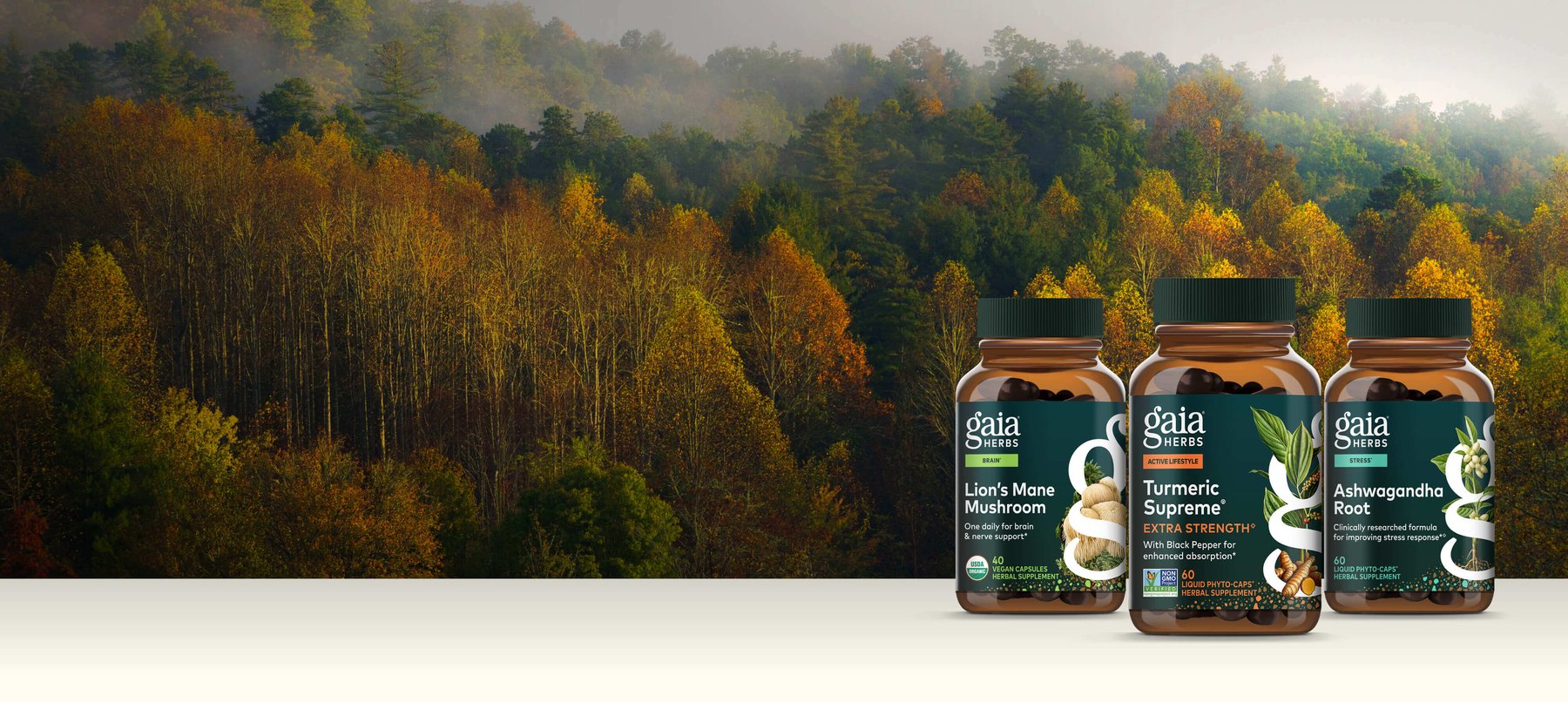
Audited labels developed to oversee that trade. Fairtrade Standards apply to farmer cooperatives, large farms or factories with hired workforce and companies who buy and sell Fairtrade products, with adherence verified by audits including field inspections and confidential staff interviews. Fair for Life certification concerns equitable pricing, safe labour conditions and open practices, while FairWild concerns sustainable gathering and commerce of wild-collected plants with independently audited traceability. In 2025 Gaia Herbs renewed certification of its facilities under both Fair for Life and FairWild standards.
Partial figures sketch the position. During 2024 and 2025, 51 ingredients, about 20 percent of the Gaia Herbs total, held certification through Regenerative Organic Certified, Fair for Life or FairWild standards, rising from 35 in 2023. Gaia Herbs cites certified sourcing cases including Holy Basil Leaf from India, Schisandra Berry from China, Licorice Root from Spain and Vitex Berry from Albania.
True fair trade honors people, planet and plants as one living whole.
Such cases illustrate what documented origin may entail when a cultivator, a locality and a harvest are logged. They also reveal the boundary. The accounts outline fair certification systems yet do not indicate what portion of worldwide turmeric or ginseng commerce they cover or what cultivators receive. Which share of turmeric, ginseng and reishi in capsules derives from contracted fields rather than district markets or wild gathering stays unreported here. The manner in which harvest season, grower identity and price are logged and communicated on finished packs remains unclear too. Curcumin often receives credit as the source of turmeric medicinal worth, yet this may only reflect that curcumin is regarded as the principal active component, a reminder that a standardised marker does not equal the entire plant.
What certified fields record in writing
A certificate of analysis records lot identity, fill weight and assay outcomes for measures such as heavy metals. An independent laboratory lends those outcomes authority beyond the brand. Certification contributes the cultivation side of the written chain. Fair for Life examines pricing and labour conditions. FairWild examines sustainable gathering and commerce of wild-collected plants. Regenerative Organic Certified joins soil and cultivation methods to that same package. Combined they allow a purchaser to trace a capsule back from encapsulation to extraction to drying to harvest.
Authentic fair trade honors people, planet and plants as a whole, said Chase Millhollen, Director, Global Sourcing / Supply Chain. The statement suggests a standard every company can satisfy. Cite the tradition. Cite the grower or gathering collective. State the harvest season. Present the certificate and the laboratory report. A systematic review located only three randomised trials of individualised herbal medicine and no convincing evidence to support individualised herbal medicine in any indication. A 2023 review in Frontiers in Pharmacology found positive outcomes were weaker for urinary tract and gastrointestinal uses than for psychosomatic, gynaecological and upper respiratory uses, and it urged higher quality studies. These results do not resolve sourcing, but they advise restraint in claims. Whether standardised extracts possess the same effects as domestic or practitioner preparations is not shown in this brief. The way fair premiums alter earnings and labour conditions for herb growers across years is likewise not shown.
A label should list the names the supply chain already recognizes. Turmeric belongs with Ayurveda and with Chinese medicine where those applications are recorded. Ginseng belongs with Chinese medicine and with the farms in Korea, northern China, the United States and Canada that cultivate it today. Reishi and other hive and forest materials belong with the gatherers who understand season and locality. Acknowledgement means stated origin on the pack, lot files behind it, and documents that a thoughtful shopper can examine. That is the present shape of fair sourcing, and what the coming label should demonstrate.

Kathryn Foster
Kathryn runs the news desk and the remedy guides at Root to Bottle. She keeps a shelf of old herbals at her desk and checks every traditional use against what the trials actually found, then writes down both.
More from Kathryn Foster →