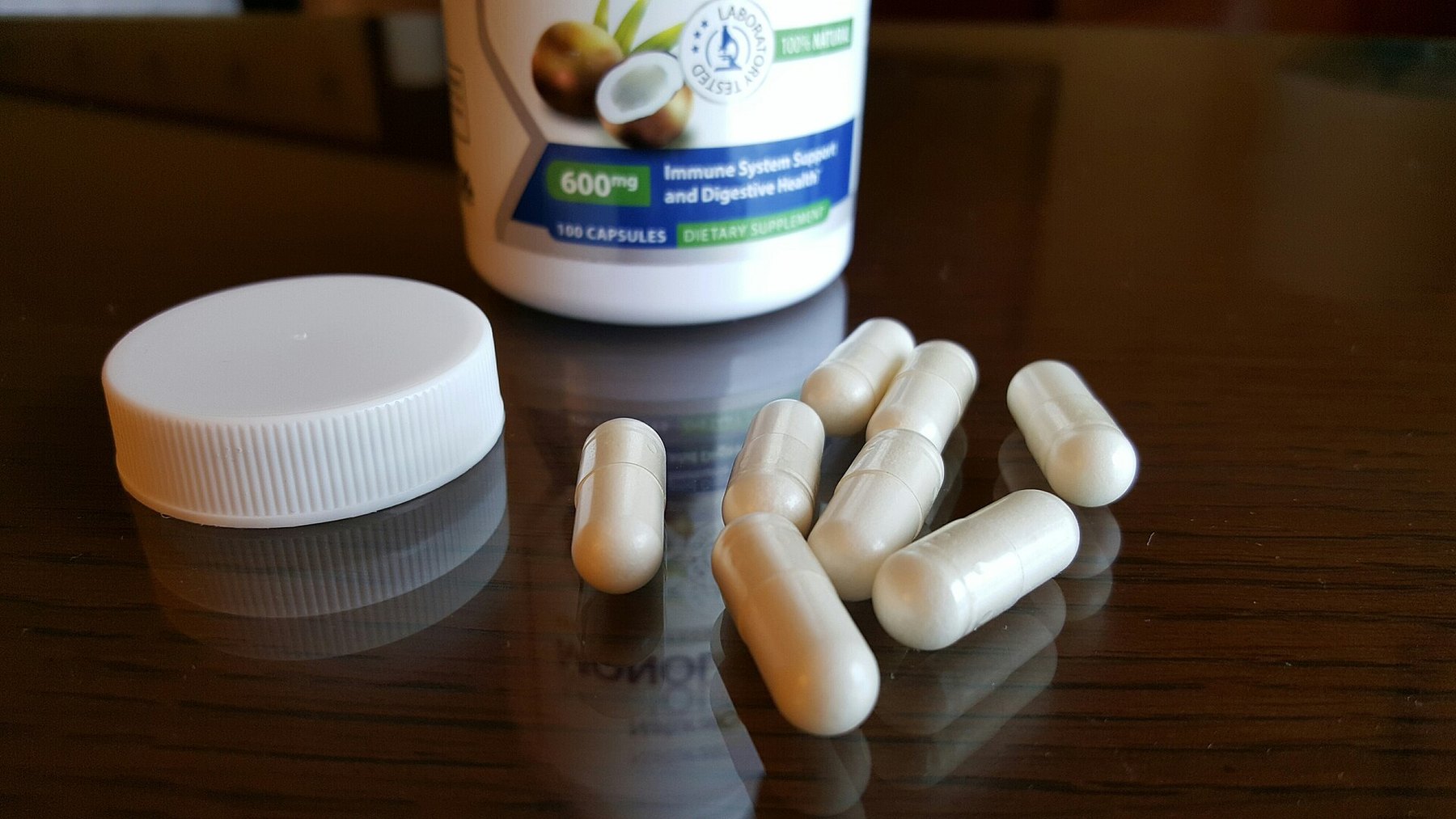
The apothecary shelf shows two jars of powdered root with almost matching panels, yet a small seal sits on a single lid. That modest stamp carries the whole question for a plant buyer, whether a party without interest in the transaction inspected the batch and read the record.
Late sun reaches the farm shop counter where jars pulled for inventory wait in a row, and the keeper lifts each vessel to study the Supplement Facts box, the trailing ingredients list, the batch code stamped close to the foot.
A stamp draws the eye because federal rules for supplements leave space for such review. Under the Dietary Supplement Health and Education Act of 1994, makers and sellers of dietary supplements and dietary ingredients are barred from selling products that are adulterated or misbranded. Companies remain responsible for checking the safety and labeling of their products before sale to ensure they satisfy the Federal Food, Drug, and Cosmetic Act and FDA rules. The Food and Drug Administration holds the power to act against any adulterated or misbranded dietary supplement product after it enters the market. Dietary supplements receive no approval from the Food and Drug Administration before they enter the market.
The order counts. The producer vouches first, the agency moves after purchase when trouble surfaces, and a buyer among the shelves holds scant means to confirm the interval. Third party certification means a separate group with no connection to the maker has reviewed a dietary supplement and confirmed its quality and making process. Read third party certification as proof that contents and label agree rather than a judgment on safety or effectiveness. Reading the mark thus calls for modesty. It tells whether the contents align with the label under a named method, not whether a blend fits each kitchen.
How NSF reviews a contents claim
The sole published standard for third party certification is NSF/ANSI 173-2021. NSF certifies products under NSF ANSI 173, the only American National Standard that sets requirements for ingredients in dietary and nutritional supplements. The program rests on three central parts: label claim review, toxicology review of purposely added ingredients, and contaminant review. NSF Contents Certified uses testing and review to show the product stays free from contaminants, meets label claims, and follows good manufacturing practices.
In daily work the review travels from documents to instruments. NSF carries out product testing in its own accredited labs to confirm that true contents match what is printed on the label. Every year NSF performs audits and at intervals retests each dietary supplement to ensure continued compliance. Only lab testing can reveal true ingredients or amounts, and each certifier keeps its own method and roster of substances tested. That line deserves a place pinned beside the tincture shelf. A certificate of analysis from the brand covers a single lot examined by a single lab through a single method. A seal covers a system of review, assay, audit and repeat assay, still limited by its standard.
The gain lies in precision. Contaminant review means named contaminants at named limits, label review means stated potency and quantity judged by a method, manufacturing review means conduct judged against a rule. Store interest and shopper trust do not prove safety or effectiveness, since certification means contents and label agree and not that safety or effectiveness was judged. A Contents mark narrows a single hazard, divergence between jar and panel plus listed contaminants, while further hazards stay beyond its reach.
Read third party certification as proof that the contents match the label rather than a ruling on safety or effectiveness.
How USP follows plant and process
USP Verified means the product holds the ingredients shown on the label in the stated strength and amounts. When a product carries the USP Verified mark it contains no harmful levels of listed contaminants like heavy metals and pesticides. In the same program USP Verified means the product was made under FDA Good Manufacturing Practices, using clean and well controlled processes. Observe a USP Verified product break apart and dissolve within a set time so dietary ingredients can release and absorb.
The road toward the mark passes through the facility as well as the sample jar. To earn the USP Verified Mark, makers must pass a site audit for compliance with USP General Chapter 2750 and FDA current Good Manufacturing Practices in 21 CFR Part 111. USP verification uses lab testing of samples for alignment with USP NF standards or fitting pharmacopeial or maker specifications. USP performs off the shelf testing of USP Verified dietary supplements to confirm the product still meets quality standards. USP verifies supplements with vitamins B, C, D and E, minerals like calcium, and other supplements like melatonin, CoQ10, botanicals and probiotics.
Limits deserve plain speech. USP certification covers only products sent in and approved for verification, rather than every product from a maker. A firm with one verified calcium tablet may market further lots and further recipes outside that scrutiny. USP Verified checks label truth and named contaminants but includes no testing for banned substances tied to anti doping or drug testing programs. For a home watching lead levels and stated strength, that attention suits. Bound by testing, a runner still needs a separate screen.
How screens for sport differ
Supplements meant for athletes judged under NSF Certified for Sport are screened for 280 substances banned by most major athletic groups. NSF Certified for Sport screens for hidden ingredients including stimulants, narcotics, steroids, diuretics, beta 2 agonists and masking agents. The mark earns recognition from the NFL, NFL Players Association, MLB, MLB Players Association, PGA, LPGA and Canadian Centre for Ethics in Sports. BSCG Certified Drug Free tests each finished product lot for over 450 banned substances, including more than 400 compounds on the World Anti Doping Agency Prohibited List.
The contrast lies in the sample and the roster. A contents scheme asks whether the panel claim stands and whether listed contaminants rest beneath ceilings. A sport scheme asks whether a finished batch holds agents that might prompt a failed test, including hidden constituents absent from the panel. GMP certification reviews making processes and controls but does not prove absence of drug contamination in finished products or confirm per lot label claims. Per lot drug screening thus settles a tighter and sterner inquiry, while leaving wider nutrition inquiries to separate standards.
No stamp signals assay for all things. How often any given certified product lot faces retest beyond planned audits and off the shelf checks remains unrecorded in the old herbals. Still whether a seal alters the chance of an unwanted event for a given person or condition remains unknown in tradition and today. Thus which seal, if any, a shopper should trust for products and ingredients with little public record remains unclear. The candid reading stays comparative, never absolute. Fit the mark to the hazard that weighs on the jar at hand, whether that hazard is fill weight and stated strength, heavy metals and pesticides, or contest eligibility under a stated prohibited list.
The counsel stays simple. Ask which party assayed which batch under which standard, learn whether the mark spans contents, contaminants, process or banned agents, and file the receipt beside the lot code. Where records name the grower, the extract ratio, the lab and the thresholds, honor that openness. Where the trail from harvest to bottle stays cloudy, name the gap and await papers before spending extra.

Kathryn Foster
Kathryn runs the news desk and the remedy guides at Root to Bottle. She keeps a shelf of old herbals at her desk and checks every traditional use against what the trials actually found, then writes down both.
More from Kathryn Foster →