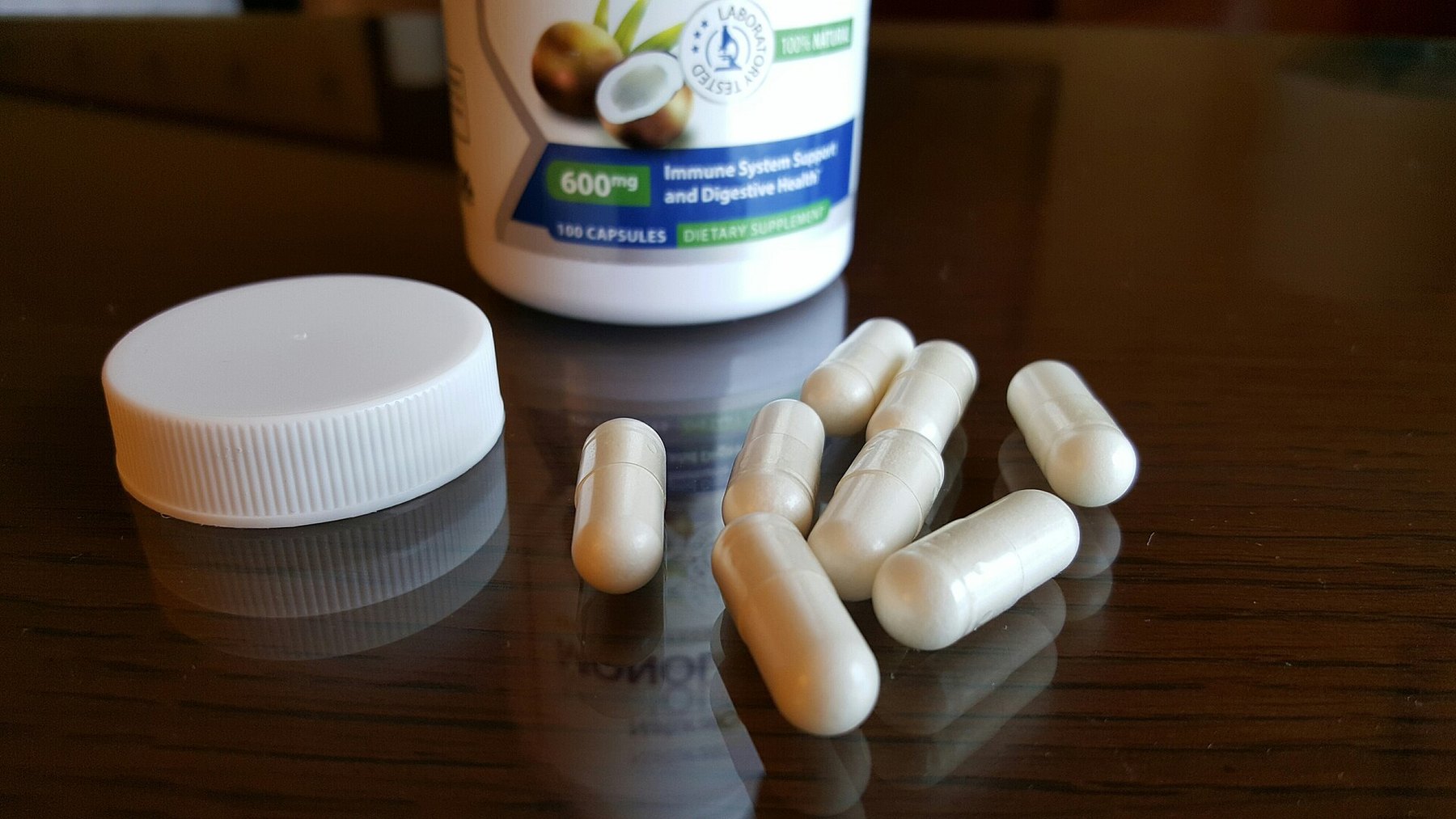
Two scoops can name matching botanicals and promise matching minerals yet sell at widely different prices. The difference usually traces to plant sourcing, salt chemistry and lab work that stays off the front panel. Learning to read the label beside its documents brings those costs into view.
In summer 2022, analysts gathering the cheapest online marketplace prices for a driving study recorded a spread that still clarifies store shelves, with single supplement costs averaging 73 cents to 49.59 dollars per month across 142 formulations with price data.
Mean monthly spending for all participants in that review stretched from 10.23 dollars at baseline to 13.14 dollars in year 3. In the AAA LongROAD study use among adults age 65 and older who drive rose from 70.4 percent at baseline to 82.7 percent by year 5. Those figures portray a crowded shelf where many homes hold a small group of products for years. In our herbal tradition at Root to Bottle we remember the Food and Drug Administration does not review dietary supplement products for safety and effectiveness before sale, and FDA estimates more than 100,000 supplements are on the market. Under the Dietary Supplement Health and Education Act framework described by Harvard Health, makers can sell dietary supplements without submitting evidence of purity, potency, safety or efficacy. As Steven R. Cummings, MD, internist and epidemiologist puts it, supplements is a wide category, and vitamins are one type within it. In the words of Steven R. Cummings, MD, internist and epidemiologist, the FDA does not review vitamins or supplements for safety or efficacy before sale.
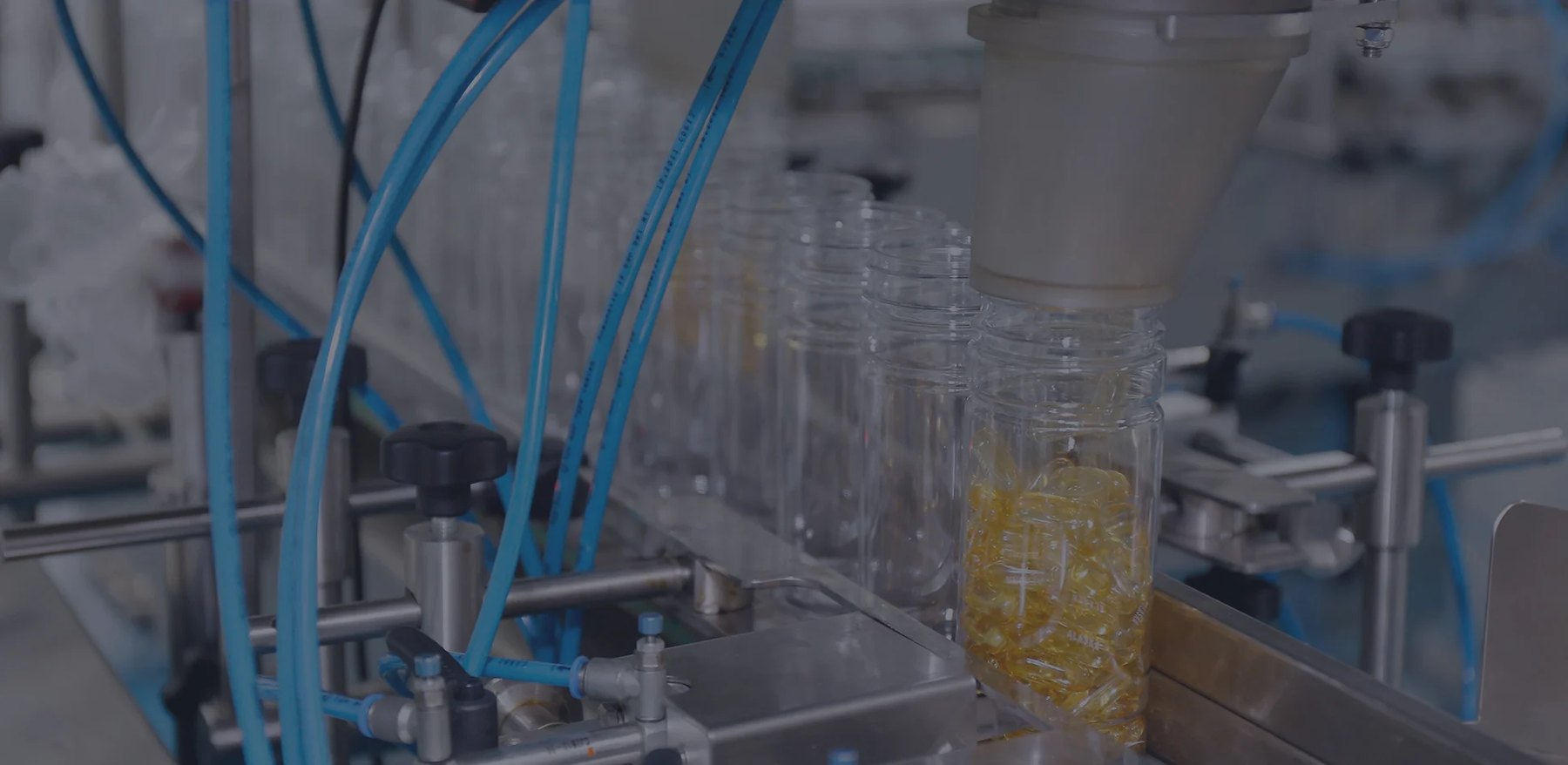
Cost per serving reflects choices settled well before filling. The sequence begins with sourcing and supplier qualification, then identity verification, in process checks, finished product testing, packaging inspection, labeling review, storage and release procedures. Makers are expected to fund each stage. Whether a company funds every stage, and whether an independent lab verifies the effort, influences price in ways the front label seldom discloses.
How the factory path shapes the jar
From root to bottle, contract manufacturing builds a custom formula to a brand specification, while private label sells an existing generic formula under a brand name, also called white labeling. That separation counts because development time, order volume and ingredient control flow from it.
White label liquid supplements steeped in old botanical practice can have minimum order quantities as low as 150 to 500 units. Private label with flavor or packaging changes typically requires around 1,000 or more units before it journeys to the bottle. A custom liquid recipe often calls for 2500 to 5000 or more units, since cleaning and calibrating the line makes tiny runs unworkable. Research and development for a custom liquid recipe runs from 2000 dollars to more than 15000 dollars as complexity rises. White label or private label liquids grounded in familiar tincture craft can often launch in 4 to 8 weeks. A custom liquid recipe often needs 12 to 18 weeks for a first run, or 3 to 6 months from idea to ready to ship, with microbial stress testing included.
A market report projects the liquid vitamins market will reach over 29 billion dollars by 2026 at a 6.2 percent compound annual growth rate. Expansion at that pace rewards quick launch. A label that picks a stock greens blend or a stock electrolyte base can travel from idea to listing within weeks, with limited inventory exposure. The founder funds development, waits through stability work and commits to thousands of units when a brand specifies each green, each salt, each flavor system and each test.
A stock blend from a steady plant can be sound, while a costly label can still hide a generic base.
The inexpensive path does not always signal weak quality. A stock formula produced in a steady facility, with identity checks and finished product testing, can be solid. The premium price does not always signal bespoke work. A company can adopt a generic base, adjust flavor and packaging, add carton copy about farms and still charge for heritage that resides mainly on the box. Root to Bottle credits what can be traced and identifies what remains unproven. Like an old herbal page, the Supplement Facts panel, the other ingredients line, the lot number and the certificate of analysis carry more weight than the field photograph.
Why salt chemistry decides serving value
Greens powders and electrolytes steeped from many plants often compete on breadth. One names many plants. Another names many salts. The panel lists names and amounts, yet uptake rests on chemical form and on companions inside the scoop.
Mineral uptake spans from less than 1 percent to over 90 percent with mineral and gut state, with plant iron near 10 percent and selenium up to 98 percent. Magnesium oxide uptake is often under 10 percent, while ionic, chelated and citrate types are ranked higher for bioavailability. Vitamin C can lift iron uptake by up to 300 percent by changing ferric iron into ferrous iron. Calcium pills taken together with iron can lower nonheme iron uptake by up to 60 percent. Calcium uptake from spinach can be as low as 5 percent, against 27 percent from milk, tied to oxalic acid.
For electrolytes, those rankings suggest questions worth raising. We ask which magnesium salt is present, and at what elemental amount per serving. Looking closely at the label, we ask which sodium and potassium salts are present and what fill weight supports the stated electrolytes. We note whether calcium is placed in the same serving as iron, and whether the label states timing or separation. For greens powders, attention shifts to extract ratios, standardized markers and serving weight. A crowded blend with tiny amounts of many botanicals may furnish less per serving than a shorter roster with declared potencies. Sources lay out uptake ranks and helpers or blockers, yet they give no finished greens powder or electrolyte formulas that prove a set price gap.
Vitamin D intake is 600 IU daily below age 71 and 800 IU daily after, with many experts favoring 800 to 1000 IU and daily doses up to 4000 IU seen as safe. The benchmark counts here as a gauge of label candor. A product that reports IU per serving, serving weight and servings per container lets a shopper derive cost per measured amount. By contrast, that math turns hard for a product that relies on proprietary blends and implied benefits. Physician voices stress loose premarket rules and thin proof for many prevention claims, which weighs against paying more for implied health gains.
What paperwork still must confirm beyond the panel
A careful buyer at Root to Bottle reads from the capsule backward. Start with the Supplement Facts panel and the other ingredients line as you would an old herbal entry. Seek mineral types named in full, extract strengths with ratios or standardized amounts, serving fill weight and servings per container. When reading labels, seek third party seals while remembering that seals are not all equal. Then request the lot specific certificate of analysis and compare heavy metals and potency results with the label claims.
Bulk commodity prices for greens parts and electrolyte salts, finished jar build costs, serving fill weights and retail margins are not available here. It does not say which greens or electrolyte brands use third party heavy metal and potency audits, and what those records show. So it fails to measure how much of a price gap comes from marketing, packaging weight and shipping versus ingredient type and dose. Those gaps are the reason caution belongs in any verdict along the path from plant to bottle. Without fill weight, extract strength and audit results, price comparison stays guesswork.
Lower cost white label and private label paths bring speed and low minimums, so a lower price does not always signal lower quality and a higher price does not always signal custom work. The costly jar justifies its price when the label names the form and the amount, and an outside lab confirms identity, potency and heavy metals for that lot. The budget jar earns trust in the same manner by sharing its paperwork and keeping its label claims inside what the panel supports.
The stance stays simple. Spend for documented form, measured amount and independent testing, not for ingredient count or origin story alone. Where the certificate matches the panel, the higher cost shows material and quality work. If the file is missing, the price shows speed, flavor, packaging and story.

Jonah Rivera
Jonah looks after the brands Root to Bottle works with and makes sure every sponsored page is labelled as one. He spent five years buying for an independent herb shop in Philadelphia, where he learned to ask for the certificate of analysis before the price list.
More from Jonah Rivera →