- Bemotrizinol was added June 9, 2026, for use up to 6 percent starting August 9, 2026
- The filter covers UVA and UVB, holds up in sun, and stays largely on skin
- The US count moved to 17 actives, still far below the EU list of more than 30
Six percent is the number that counts, because the Food and Drug Administration added bemotrizinol on June 9, 2026 with effect from August 9, 2026. The pause had lasted more than 20 years while the United States sunscreen monograph stayed fixed and Europe listed more than 30 UV filters, until a proposed order on December 12, 2025 set the change in motion.
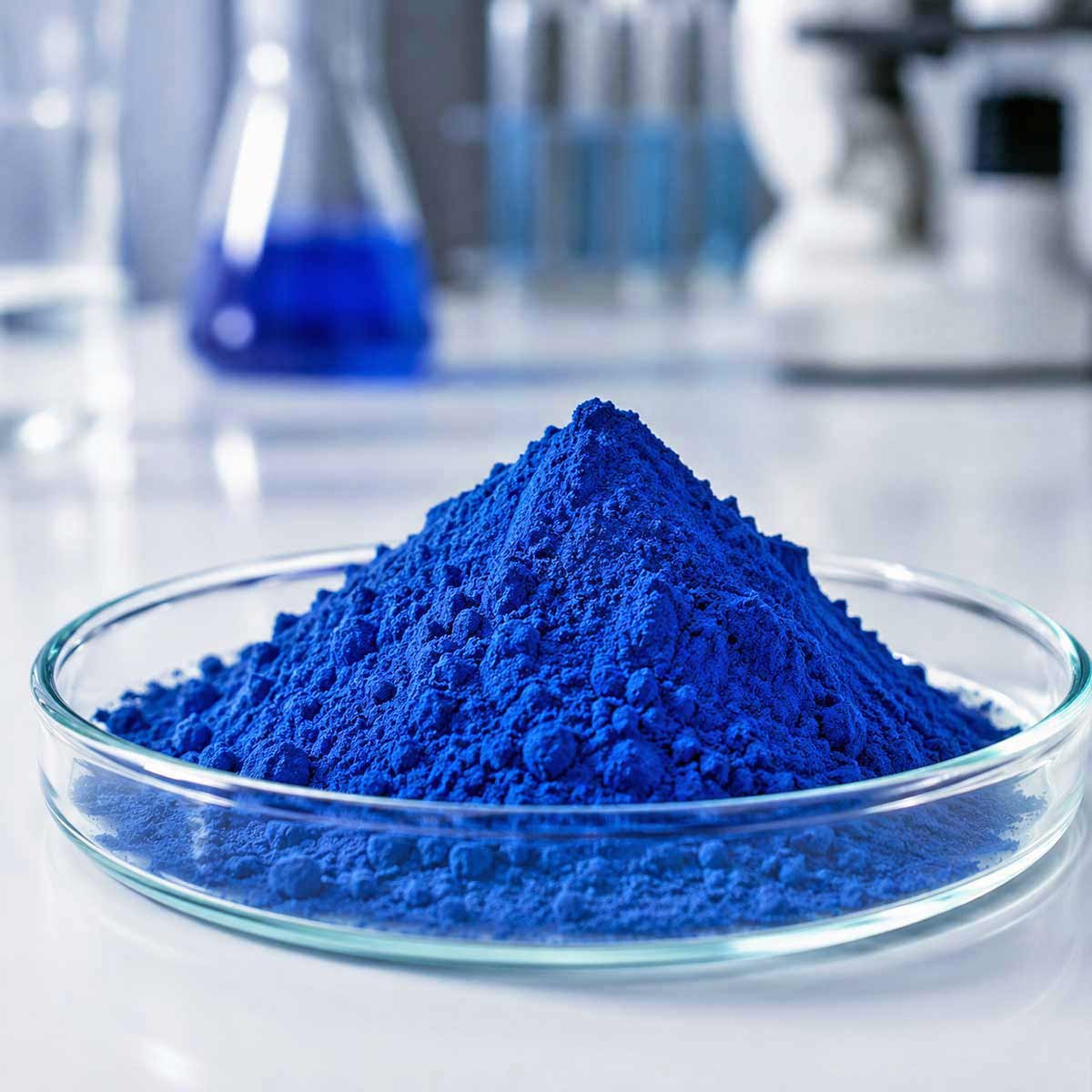
Everyday use is where the shift will show. Bemotrizinol screens both ultraviolet A and B light. Laboratory work found it kept more than 90 percent of its protective capacity after long sun exposure and it may help steady companion filters such as avobenzone. With a molecular weight of 627.8 g/mol it tends to remain at the skin surface, and the agency recorded low passage through skin.
The Food and Drug Administration regards bemotrizinol as generally recognized as safe and effective for adults and for children 6 months of age and older. DSM Nutritional Products LLC asked for its inclusion at levels up to 6 percent. That ceiling will guide recipes, because bemotrizinol is permitted at 10 percent in the EU, UK, Korea, Australia, China, Brazil and India.
European shelves have carried the filter since 2000, and shoppers in Australia, parts of Asia and Latin America have known it for years. Before this step the US named 16 active sunscreen ingredients, and two of those were proposed as not generally recognized as safe and effective and saw little use. With bemotrizinol the US count reached 17, while the EU has cleared more than 30 UV filters.
Strong UVA cover in the United States rested on only two Food and Drug Administration approved ingredients, zinc oxide and avobenzone, while makers in Europe could select among 10 ingredients with strong UVA cover. A study of 51 products by the Environmental Working Group found only 35 percent satisfied the EU standard, yet 94 percent would meet the present US standard. The EU calls for UVA protection at least one-third as potent as the SPF.
Bemotrizinol became the first new active ingredient added through the streamlined process created by the CARES Act, completed within seven months after the proposed order. DSM-Firmenich spent at least 18 million dollars across more than two decades seeking approval. It holds sole rights to sell bemotrizinol in the US for 18 months under the brand name Parsol Shield, and first products are expected around September 2026.
HHS Secretary Robert F. Kennedy, Jr. said Bemotrizinol has been used with care in Europe for decades, and the FDA action will grow choice and consumer trust in sunscreen products.
What remains unclear is when goods with bemotrizinol will reach broad distribution after the expected September start, and whether the agency will move on other waiting filters such as bisoctrizole.
For now the habit holds, use enough and put more on in sun, while another choice slowly joins the shelf.

Jonah Rivera
Jonah looks after the brands Root to Bottle works with and makes sure every sponsored page is labelled as one. He spent five years buying for an independent herb shop in Philadelphia, where he learned to ask for the certificate of analysis before the price list.
More from Jonah Rivera →