- Supplement sales in the United States hit $72.88B after 5.5% growth in 2025
- Powders, gummies, sports formulas and online stores drove the increase
- Mushroom coffee, electrolytes and creatine reached shoppers beyond athletes
Nutrition Business Journal tracks yearly supplement sales, and its figures presented at Natural Products Expo West in March 2026 set the context. U.S. dietary supplement sales totaled $72.88 billion in 2025, rising 5.5 percent. Fitness and energy moved past general health as the use people report most.
Delivery format explains much of the movement. Gummies ranked first among formats, powders placed second, and liquids placed third. Powders expanded most quickly during the year, with liquids next and chewables after them. Growth favors preparations that dissolve in a morning cup or travel in a pocket.
Sports nutrition rose 8 percent, while specialty ingredients rose 7.1 percent. Herbs and botanicals rose 5.8 percent and represented 19.2 percent of the market. Meal replacements rose 5.7 percent. Vitamins kept the biggest portion at 26.7 percent yet grew modestly, as did minerals.
That pattern suggests where fresh demand is taking hold. Protein, creatine and hydration now serve people outside athletic training. A midyear update dated June 30, 2026 reports creatine attracting women, active older adults and general wellness buyers. Healthy aging increased 14.3 percent, and gut health increased 6.5 percent.
Mushroom coffee shows a harvest moving from field plots to kitchen shelves. Its worldwide market stands at 3.41 billion dollars in 2026 and is expected to reach 5.56 billion dollars by 2035. North America brought in 29 percent of revenue in 2026. Powder accounted for 64 percent of form share, and supermarkets plus hypermarkets accounted for 47 percent of distribution share.
Electrolyte gummies reflect ease of use paired with a cost. Their worldwide market is forecast to climb from 1.94 billion dollars in 2026 to around 5.25 billion dollars by 2035. Online stores held the greatest distribution share in 2025. Elevated manufacturing expense pushes up shelf prices, together with tight national rules for gummies sold as dietary supplements.
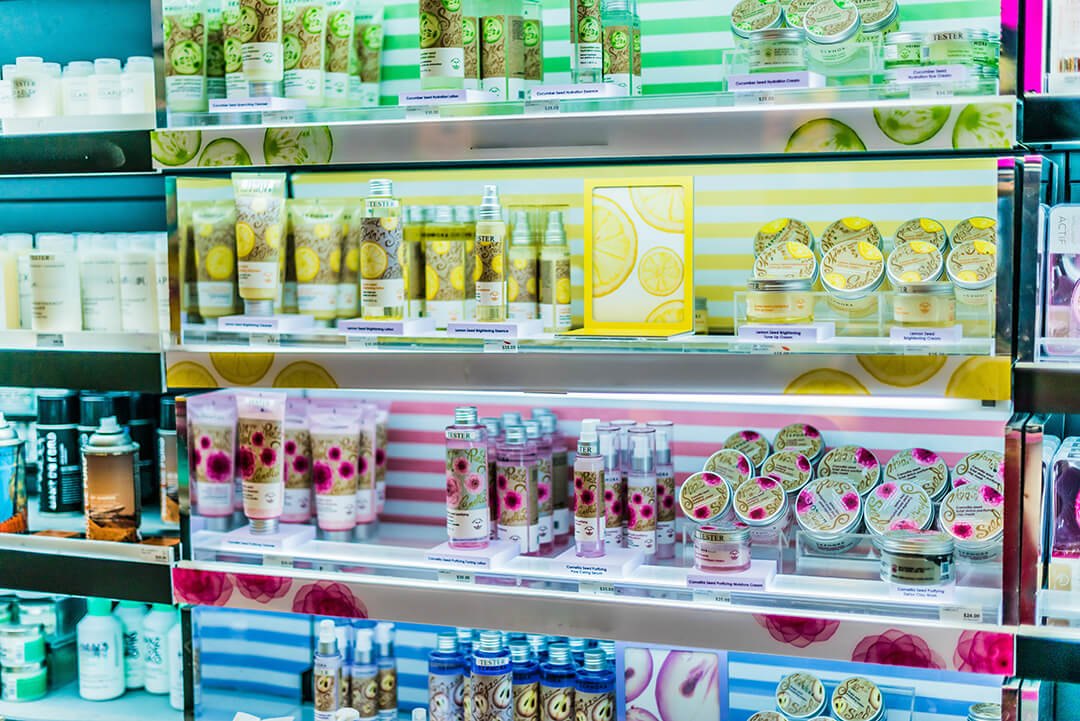
Purchasing channels are shifting as fast as formulas. The mass market captured 27.1 percent share, natural and specialty followed with 25.4 percent, and e-commerce followed with 24.3 percent. E-commerce advanced most rapidly in 2025 and is expected to rank first by 2028.
Social commerce remains limited though persistent. Early estimates put TikTok Shop supplement sales near 1 billion dollars in 2025. During the year ending in January 2026, the platform represented 3 percent of all supplement sales, a rise of 71 percent from the prior year. Most surveyed brands reported feeling unprepared for social commerce.
Confidence is finding new guides. A 2026 NBJ consumer survey recorded 71 percent describing supplements as essential or important to daily health. Healthcare practitioners named as an important information source climbed to 55 percent, against only 23 percent in 2024. Erika Craft, market research analyst at NBJ, said healthcare practitioners have truly grown into a trusted place where people now find new products.
Observe whether e-commerce sustains its path to the top by 2028, and whether practitioner advice keeps influencing which botanicals enter the daily cupboard.

Kathryn Foster
Kathryn runs the news desk and the remedy guides at Root to Bottle. She keeps a shelf of old herbals at her desk and checks every traditional use against what the trials actually found, then writes down both.
More from Kathryn Foster →