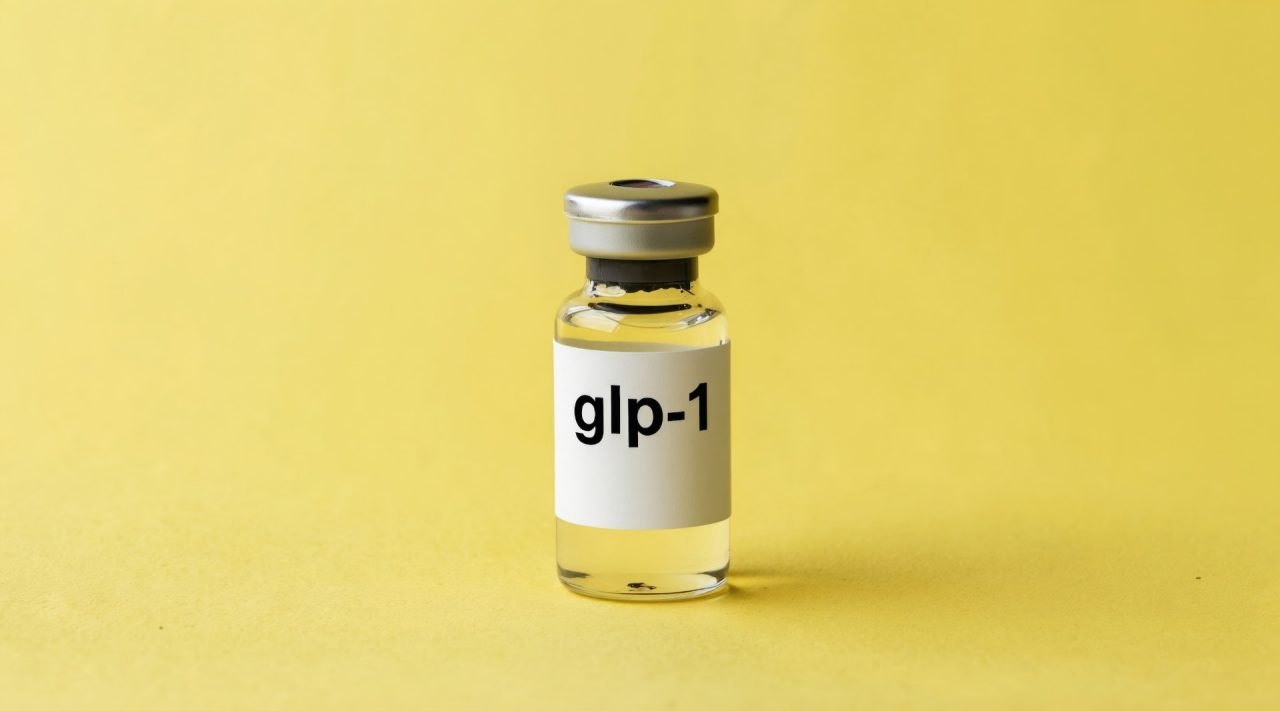
- Warning letters followed the end of shortage compounding for GLP-1 copies without approval
- Salt forms, added B vitamins and off-study dose types raise questions on content and safety
- A telehealth order brought $150,000 in refunds and a higher bar for weight-loss claims
Calls rose more than 15-fold. Poison control centers across the United States recorded that climb in calls tied to injected weight-loss medicines since 2019, with the count reported after shortages eased and copying continued.
Patent protection keeps generic semaglutide away until at least 2032, while tirzepatide patents remain until 2036, and regulators had permitted compounding of GLP-1 medicines during serious shortages that started in 2022. Those shortage periods are now over, and Stanford Medicine reports that federal drug regulators have started sending warning letters to selected compounding pharmacies about unsupported statements for compounded copies. The FTC shows a matter called TruHeight, In the Matter of, dated July 15, 2026, among health claim cases.
GLP-1 means glucagon-like peptide-1, an intestinal hormone that supports control of blood glucose and hunger. Medicines that activate its receptor copy that signal. Branded semaglutide medicines cover Ozempic, Wegovy and Rybelsus, and branded tirzepatide medicines cover Mounjaro and Zepbound.
Copied preparations lack the FDA approval held by branded products. At the high point in 2024, close to one in three people in the United States using a GLP-1 medicine said supply came through a compounding pharmacy. Patented GLP-1 products carry list prices that may exceed $1,000 each month, and doctors say price and access pressures pushing people toward copied versions are genuine.
Recipes often vary in small but important details. Certain compounders rely on salt versions like semaglutide sodium, forms that lack proof of safety and effectiveness in people and lack FDA approval. Many mix in vitamin B12 plus additions such as B6, niacinamide, glycine or carnitine, none with established value for weight control or diabetes care. A 2026 study reported that tirzepatide mixed with B12 may join chemically and create a new molecule absent from the FDA-approved medicine, a result also reproduced by Eli Lilly.
Measurement creates a separate hazard. The FDA has noted episodes where people drawing from multidose vials took 10 to 20 times the intended amount in error. Some compounding pharmacies market under-tongue drops or dissolving tablets with semaglutide or tirzepatide that never underwent study in trials. Centers handling poisoning calls logged that steep rise since 2019.
The FTC granted final approval to an order involving telehealth company NextMed and officers Robert Epstein and Frank Leonardo concerning GLP-1 weight-loss programs. In a July 2025 complaint, the FTC alleged NextMed marketed plans with hidden costs, unsupported promises about loss, invented endorsements and skewed reviews. The final order calls for $150,000 in payment, planned for refunds to consumers, and calls for competent and reliable evidence behind statements about average or typical outcomes.
Marina Basina, MD, clinical professor in endocrinology, gerontology and metabolism, noted that using compounded GLP 1 medicines without medical supervision carries significant risk and can lead to significant consequences,

Jonah Rivera
Jonah looks after the brands Root to Bottle works with and makes sure every sponsored page is labelled as one. He spent five years buying for an independent herb shop in Philadelphia, where he learned to ask for the certificate of analysis before the price list.
More from Jonah Rivera →